
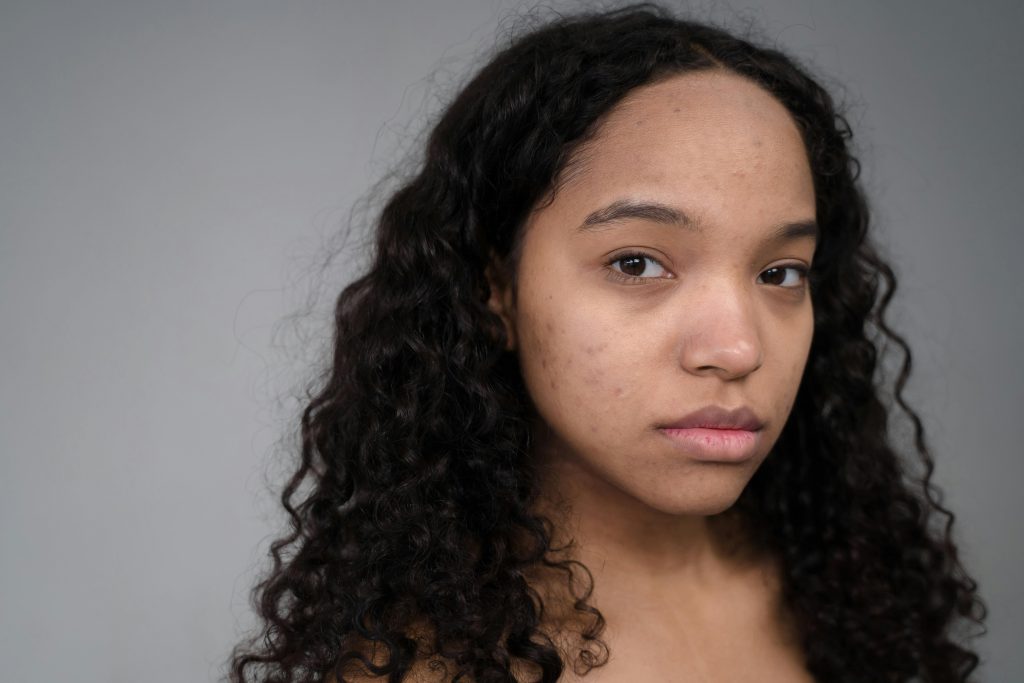
Hormonal acne affects millions of people and is often more difficult to manage than regular breakouts. It usually appears around the chin, jawline, and cheeks due to hormonal changes that increase oil production. Excess sebum, dead skin cells, and bacteria combine to create clogged pores, which lead to pimples, cystic acne, blackheads, and whiteheads. One of the most recommended solutions by dermatologists is retinol for acne because it supports skin renewal and long-term acne prevention.
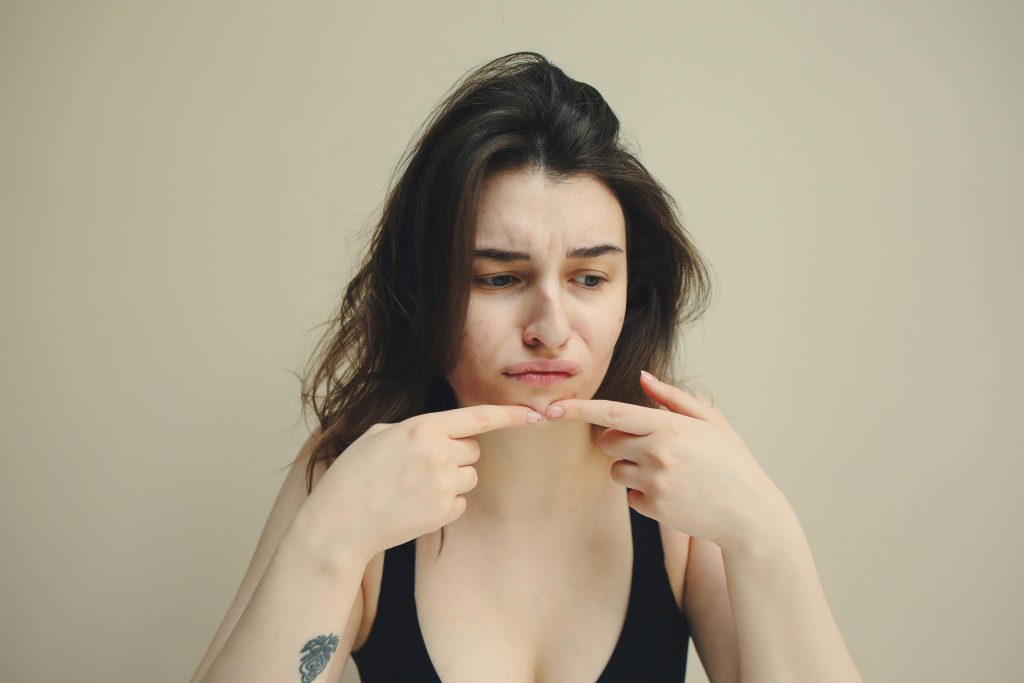
Retinol is a form of vitamin A for acne treatment that belongs to a family of ingredients known as retinoids for acne. It works by increasing skin cell turnover, helping remove dead skin cells before they clog pores. Retinol acne treatment is also popular because it improves skin texture, reduces acne inflammation, and helps fade acne scars and post-acne hyperpigmentation over time.
What Is Retinol for Hormonal Acne?
Retinol is a powerful skincare ingredient commonly used in both acne treatment and anti-aging skincare routines. It is available in retinol cream and retinol serum formulas, making it suitable for different skin types. Dermatologists often recommend retinol skincare products because they help improve acne-prone skin while supporting healthier skin cells.
Hormonal acne is caused by changes in hormone levels that increase oil production inside the skin. This excess oil mixes with dead skin cells and creates blocked pores. Retinol helps by encouraging faster skin renewal and preventing buildup inside pores.
Main Benefits of Retinol for Acne
- Helps unclog pores
- Reduces acne redness
- Supports healthy skin cells
- Improves smooth skin texture
- Helps reduce inflammation
- Assists with acne prevention
- Helps fade acne scars
Because of these benefits, retinol for oily skin acne has become one of the most searched skincare treatments online.
How Retinol Works for Acne-Prone Skin
Increases Skin Cell Turnover
One major reason retinol for acne works effectively is because it improves skin cell turnover. Old skin cells are removed faster, helping reduce dead skin buildup that causes clogged pores and breakouts.
Benefits of Skin Cell Turnover
| Benefit | Effect on Acne |
| Removes dead skin cells | Prevents clogged pores |
| Reduces sebum buildup | Helps acne prevention |
| Supports skin renewal | Improves uneven texture |
| Encourages healthy skin cells | Creates smoother skin |
This process is especially useful for people dealing with acne-prone skin and recurring hormonal breakouts.
How Retinol Unclogs Pores
Many people ask, Can retinol unclog pores? The answer is yes. Retinol helps keep pores clear by reducing the buildup of oil, bacteria, and dead skin.
Retinol Helps Reduce:
- Blackheads
- Whiteheads
- Pimples
- Clogged pores
- Acne flare-ups
Learning how retinol works for acne helps beginners understand why consistency is important for visible results.
Retinol and Acne Inflammation
Hormonal acne often causes painful swelling and redness. Retinol has anti-inflammatory skincare properties that may help calm irritation and reduce inflammation over time.
Benefits of Inflamed Acne
- Helps reduce acne redness
- Minimizes swelling
- Supports smoother skin texture
- Improves overall skin tone
With regular use, retinol may help improve the appearance of inflamed breakouts and irritated skin.
Benefits of Retinol for Hormonal Acne
Retinol for Acne Scars and Hyperpigmentation
After acne heals, many people experience post-acne marks, acne scars, and acne hyperpigmentation. Retinol encourages collagen production, which helps improve uneven texture and discoloration.
Retinol May Help:
- Fade acne scars
- Reduce acne hyperpigmentation
- Improve post-acne marks
- Smooth rough texture
- Brighten dull skin
Many users searching for retinol for acne scars want gradual but long-lasting improvement instead of temporary results.
Improve Skin Texture and Healthy Skin Cells
Retinol is known for improving overall skin quality and supporting healthy skin cells.
Texture Improvement Benefits
- Creates smooth skin texture
- Reduces rough patches
- Improves hydration absorption
- Supports skin renewal
- Helps reduce visible pores
Retinol is also popular for anti-aging and acne treatment because it supports collagen production while helping prevent future breakouts.
Best Retinol for Acne-Prone Skin
Choosing the best retinol for acne-prone skin depends on your skin type, acne severity, and sensitivity level.
Retinol Cream Vs Retinol Serum
| Product Type | Best For |
| Retinol cream | Dry or sensitive skin |
| Retinol serum | Oily and combination skin |
A retinol cream for pimples often contains moisturizing ingredients, while a retinol serum absorbs faster and feels lighter on the skin.
Over-the-Counter Retinol Vs Prescription Retinoid
Over-the-Counter Retinol
- Good for beginners
- Lower irritation risk
- Easier to add to a skincare regimen
Prescription Retinoid
- Stronger formulas
- Faster visible results
- Better for severe cystic acne
Popular product comparisons include Adapalene vs retinol and retinoid vs retinol. Beginners often start with over-the-counter retinol before trying a stronger prescription retinoid.
Dermatologist-Recommended Retinol Products
Dermatologists recommend that retinol products be used:
- Non-comedogenic skincare formulas
- Fragrance-free
- Beginner-friendly
- Suitable for acne-prone skin
There are also products designed specifically for retinol for teenage acne and retinol for sensitive skin acne.
How to Use Retinol for Acne Safely
Beginner Retinol Guide

People learning how to use retinol for acne should start slowly to reduce irritation.
Beginner Retinol Routine
- Use a gentle cleanser
- Apply a pea-sized amount of retinol
- Use moisturizer for retinol hydration
- Wear sunscreen daily
Choosing the correct retinol concentration is important for minimizing irritation and dryness.
Build the Perfect Retinol Skincare Routine
A simple nighttime skincare routine often works best.
Evening Skincare Routine
- Gentle cleanser
- Retinol serum or cream
- Hydrating moisturizer
- Lip balm if necessary
A consistent retinol skincare routine can improve acne-prone skin while supporting the skin barrier.
Retinol and Sunscreen Protection
Retinol increases sun sensitivity, which makes sunscreen with retinol essential.
Sunscreen Tips
- Use SPF 30 or higher
- Reapply sunscreen outdoors
- Focus on UV protection daily
Combining retinol and sunscreen helps protect the skin from irritation and environmental damage.
Retinol Side Effects and Risks
Common Retinol Side Effects
Most beginners experience mild side effects during the adjustment phase.
Common Side Effects
- Retinol dryness
- Retinol peeling
- Retinol irritation
- Flaky skin from retinol
- Skin sensitivity
These symptoms usually improve after the skin adapts to the product.
How to Reduce Retinol Irritation
To reduce retinol irritation:
- Start with lower retinol usage frequency
- Use moisturizer daily
- Avoid harsh exfoliating retinoid
- Avoid overusing the product
Retinol for sensitive skin should always be introduced slowly.
Can Retinol Cause Purging?
A common question is, Can retinol cause purging? Purging happens when skin cell turnover speeds up, and existing clogged pores come to the surface faster.
Purging vs Breakouts
| Purging | Regular Breakouts |
| Temporary | Long-lasting |
| Appears in acne-prone areas | Can appear anywhere |
| Improves over time | Continues worsening |
Most users notice clearer skin after several weeks of consistent use.
Is Retinol Safe During Pregnancy?
Experts usually recommend avoiding retinol during pregnancy. If you are pregnant, speak with a dermatologist about safer alternatives for acne treatment.
Retinol Before and After Acne Results
What Results to Expect
Retinol before-and-after acne results vary by skin type and routine consistency.
Possible Improvements
- Fewer pimples
- Reduced acne scars
- Better skin texture
- Brighter skin tone
- Less acne redness
Visible improvement usually takes time and patience.
How Long Before Retinol Works?
General Timeline
| Time Period | Expected Results |
| 2–4 Weeks | Mild dryness and adjustment |
| 6–8 Weeks | Reduced breakouts |
| 12+ Weeks | Improved texture and acne scars |
How long retinol takes to work depends on product strength, consistency, and skin sensitivity.
Expert Dermatologist Skincare Advice
Dermatologists recommend using retinol as part of a balanced acne skincare routine, rather than relying on a single product.
Expert Tips
- Avoid harsh scrubs
- Keep skin hydrated
- Use non-comedogenic skincare products
- Follow a gentle skincare regimen
- Wear sunscreen daily
Professional dermatologist skincare advice can help maximize results while reducing irritation.
Conclusion
Retinol for hormonal acne is one of the most effective long-term solutions for acne-prone skin. It helps unclog pores, reduce inflammation, improve smooth skin texture, and fade acne scars over time. Whether you choose a retinol cream, retinol serum, or prescription retinoid, consistency is essential for achieving visible improvements.
Following a beginner retinol guide, using sunscreen daily, and maintaining a healthy retinol skincare routine can help improve acne safely while minimizing side effects.
FAQs
How often should I use retinol for acne?
Beginners should start using retinol 2 to 3 times weekly and slowly increase usage as the skin adjusts.
Can retinol clear acne scars permanently?
Retinol may help fade acne scars and improve texture, but deep scars may require professional treatment.
Is retinol good for cystic acne?
Yes. Retinol may help reduce clogged pores and inflammation linked to cystic acne.
Can I use retinol every night?
Yes, once your skin adapts properly. Start slowly to avoid irritation and peeling.
What is the best retinol for acne-prone skin?
The best retinol for acne-prone skin is usually a fragrance-free, non-comedogenic formula designed for sensitive or oily skin.
