

Let’s be real: looking in the mirror by 2:00 PM and seeing a reflection that could rival a glazed donut isn’t exactly the glow most of us are going for. If you find yourself constantly reaching for blotting papers or wondering why your foundation seems to slide right off your face by lunchtime, you aren’t alone.

Living with oily skin in the USA-where weather ranges from humid Florida summers to bone-dry New York winters-can feel like a full-time job. But before you start attacking your face with harsh scrubs and alcohol-based toners, it’s important to understand the why behind the shine.
Oily skin isn’t a flaw; it’s actually your body’s way of trying to protect itself. Your sebaceous glands are simply overachievers. Today, we’re peeling back the layers to look at the primary oily skin causes and how you can work with your biology instead of against it.
1. It’s in the DNA: The Genetic Factor
The most common cause of oily skin is simply the luck of the draw. If your parents had oily skin or struggled with large pores, there is a very high probability that you will, too.
Genetics determine the size and activity level of your sebaceous glands. People with oily skin types generally have larger glands that produce more sebum (the natural oil that lubricates the skin). While it can be frustrating to deal with acne or shine in your 20s and 30s, there is a silver lining: oily skin tends to age more slowly. Those natural oils keep the skin thicker and more hydrated, which can mean fewer fine lines and wrinkles as you get older.
2. Hormonal Fluctuations: The Internal Switch
If you’ve ever noticed your skin going into oil overdrive right before your period or during a stressful week at work, you’ve experienced hormonal oily skin.
Androgens are the hormones primarily responsible for oil production. When these hormones spike-which happens during puberty, pregnancy, menopause, or high-stress periods-they signal the sebaceous glands to pump out more oil. In the USA, many people are also finding that adrenal fatigue or high-cortisol lifestyles are contributing to adult acne and greasiness. When you’re stressed, your body produces more cortisol, which is closely linked to increased sebum production.
3. The Over-Washing Trap (A Surprising Cause)
This is the one that catches most people off guard. When you feel greasy, the natural instinct is to wash your face until it feels squeaky clean. However, this is one of the leading oily skin causes for chronic shine.
When you use harsh, stripping cleansers or wash your face more than twice a day, you remove the skin’s essential moisture barrier. Your skin panics, thinking it’s dangerously dehydrated, and sends an SOS to your oil glands to compensate. The result? A vicious cycle where your skin produces even more oil to replace what you just stripped away.
Common Signs You Are Over-Washing:
- Your skin feels tight or pulled after cleansing.
- You see flaky patches alongside very oily areas.
- Your skin feels oily again just 30 minutes after washing.
4. Humidity and the US Environment
Where you live matters. If you’re residing in the humid Southeast or spend your summers in a city like Houston or Atlanta, the environment is likely a major factor.
Heat and high humidity stimulate the secretion of sebum. Furthermore, when you sweat in a humid climate, the oil on your skin becomes more fluid and spreads more easily, making your face look shinier than it would in a dry climate. Conversely, in cold, dry US winters, people often turn up the indoor heating, which dries out the air and the skin, leading to that reactive oil production we mentioned earlier.
5. Skipping the Moisturizer
It sounds counterintuitive, right? Why would I put moisturizer on skin that is already oily?
But here’s the truth: Oil is not moisture. Oil is a waxy substance called sebum; moisture is water content. You can have very oily skin that is also dehydrated (lacking water). When oily skin lacks water, it gets irritated and produces more oil to seal in whatever moisture is left. By using a lightweight, oil-free moisturizer, you tell your skin it has enough hydration, which actually helps slow down the oil pumps.
6. Using the Wrong Skincare Products
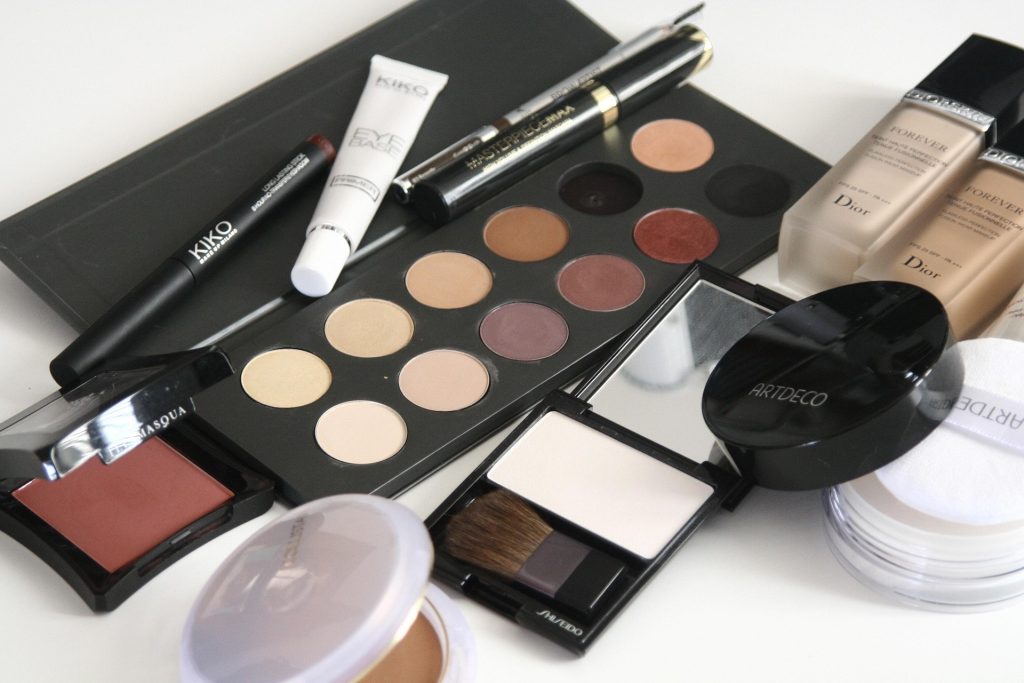
Sometimes, the call is coming from inside the house. Using products that aren’t designed for your specific skin type is a major culprit.
- Comedogenic Ingredients: Using heavy creams or oil-based makeup that clogs pores.
- Heavy Silicones: While great for smoothing, some silicones can trap oil and sweat underneath.
- causeAlcohol-Heavy Toners: These might feel refreshing initially, but they strip the skin and because that rebound oiliness.
7. Dietary Choices and Intelligence
The link between diet and skin is becoming more clear in 2026. While a slice of pizza won’t instantly turn your face into an oil slick, long-term dietary habits can influence your hormones.
- High-Glycemic Foods: White bread, sugary snacks, and sodas cause a spike in insulin. High insulin levels are linked to increased androgen production, which equals more oil.
- Dairy: Some studies suggest that certain growth hormones found in dairy products can stimulate sebaceous glands in sensitive individuals.
- Hydration Levels: Not drinking enough water doesn’t necessarily make your skin oily, but it can make your skin look dull and congested, making the oil appear more prominent.
How to Manage Oily Skin (Without Losing Your Mind)
Now that we know the why, how do we handle the how? You don’t need a 12-step routine. You just need a strategy that focuses on balance.
The Essential Oily Skin Strategy:
- Choose a Salicylic Acid (BHA) Cleanser: BHA is oil-soluble, meaning it can actually get inside the pore to clear out the gunk.
- Look for Non-Comedogenic on Labels: This is a fancy way of saying the product is tested not to clog pores.
- Niacin amide is Your Best Friend: This B-vitamin is a superstar for regulating oil production and shrinking the appearance of large pores.
- Sunscreen is Non-Negotiable: Many people with oily skin skip SPF because they hate the greasy feel. Look for matte finish or water-gel sunscreens that feel like nothing on the skin.
Conclusion
At the end of the day, having oily skin isn’t a problem that needs to be cured-it’s a skin type that needs to be managed. Once you identify your specific oily skin causes, you can stop guessing and start treating.
Remember, the goal isn’t to have a face as dry as a desert; it’s to achieve a healthy, balanced glow that stays in place. Be patient with your skin. If you’ve been stripping it with harsh products for years, it might take a few weeks of consistent, gentle care for your oil glands to realize they can finally relax.
FAQs
1. Is oily skin caused by drinking too little water?
Not directly. While dehydration (lack of water) can make your skin look dull and cause it to produce reactive oil to compensate for dryness, drinking water won’t wash away the oil. However, staying hydrated helps maintain a healthy skin barrier, which keeps oil production stable.
2. Why is my skin oily but also flaking?
This is a classic sign of dehydrated oily skin. It happens when your skin’s surface lacks water, but your glands are still overproducing oil. This is often caused by using harsh acne treatments or skipping moisturizer, which damages your skin barrier.
3. Does oily skin mean I will have fewer wrinkles?
There is some truth to this! The natural oils (sebum) keep the skin lubricated and thicker, which can help delay the appearance of fine lines and keep the skin more elastic than that of those with very dry skin.
4. Can my diet really make my skin oilier?
Yes, for many people. Foods with a high glycemic index (like white sugar, white bread, and processed snacks) cause insulin spikes. High insulin can trigger androgens, which are the hormones that tell your pores to pump out more oil.
5. How many times a day should I wash my face if it’s oily?
Twice is the magic number-once in the morning and once before bed. Washing more often can strip your natural oils and trigger a rebound effect, in which your skin produces even more oil to protect itself.
6. Should I use a toner for oily skin?
It depends on the toner. Avoid old-school toners that are high in denatured alcohol, as they are too drying. Instead, look for exfoliating toners containing Salicylic Acid (BHA) or Witch Hazel, which help clear pores without damaging the skin.
7. Why does my skin get oilier throughout the day?
Sebum production follows a circadian rhythm and usually peaks in the early afternoon. Combined with environmental heat and physical activity, the oil becomes thinner and spreads across your face, making the shine more noticeable by midday.
8. Is it okay to use face oils on oily skin?
It sounds crazy, but yes! Using specific non-comedogenic oils (like Squalene or Rosehip oil) can actually help dissolve hardened sebum in your pores and signal to your skin that it has enough oil, potentially slowing down natural production.
9. Why are my pores so large if I have oily skin?
When your glands produce excess oil, it can get trapped in the pore along with dead skin cells. This plug stretches the pore opening, making it look larger. Keeping pores clear of oil helps them appear smaller and more refined.
10. Can stress cause oily skin?

Absolutely. When you are stressed, your body releases cortisol. This stress hormone is produced in the same part of the body as androgens, and its release is often accompanied by an increase in oil production and inflammatory breakouts.
