
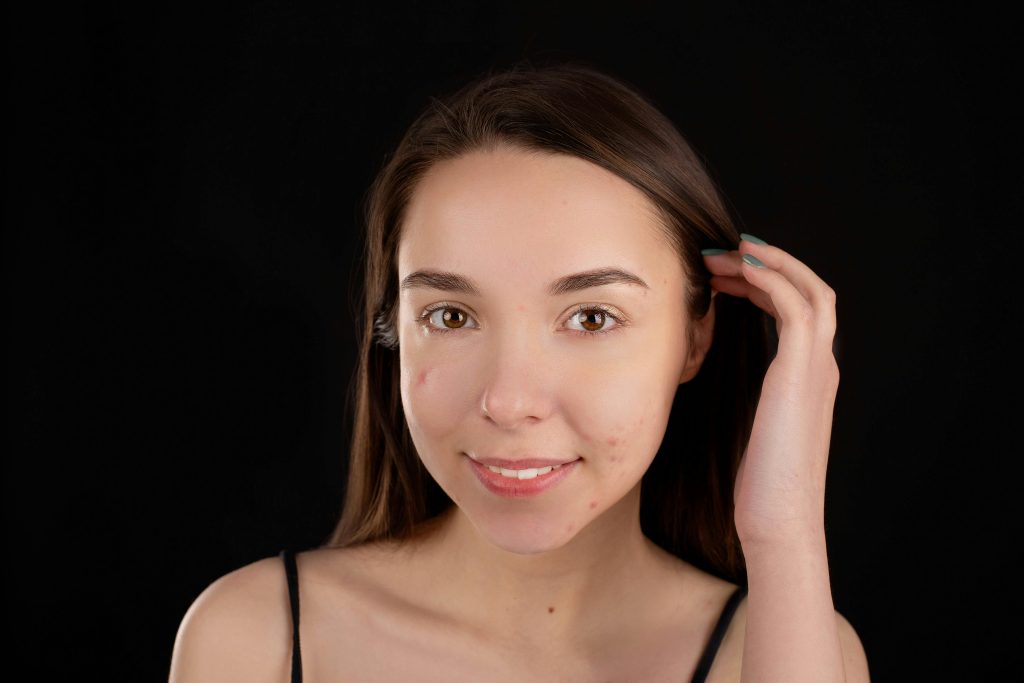
While active breakouts are a temporary struggle, the textural marks they leave behind can feel like a lifelong burden. For many, these persistent indentations and spots impact confidence long after the skin has cleared. However, the modern skincare landscape has shifted; understanding that while scars are stubborn, there are now effective solutions for scar reduction is the first step toward a renewed complexion.
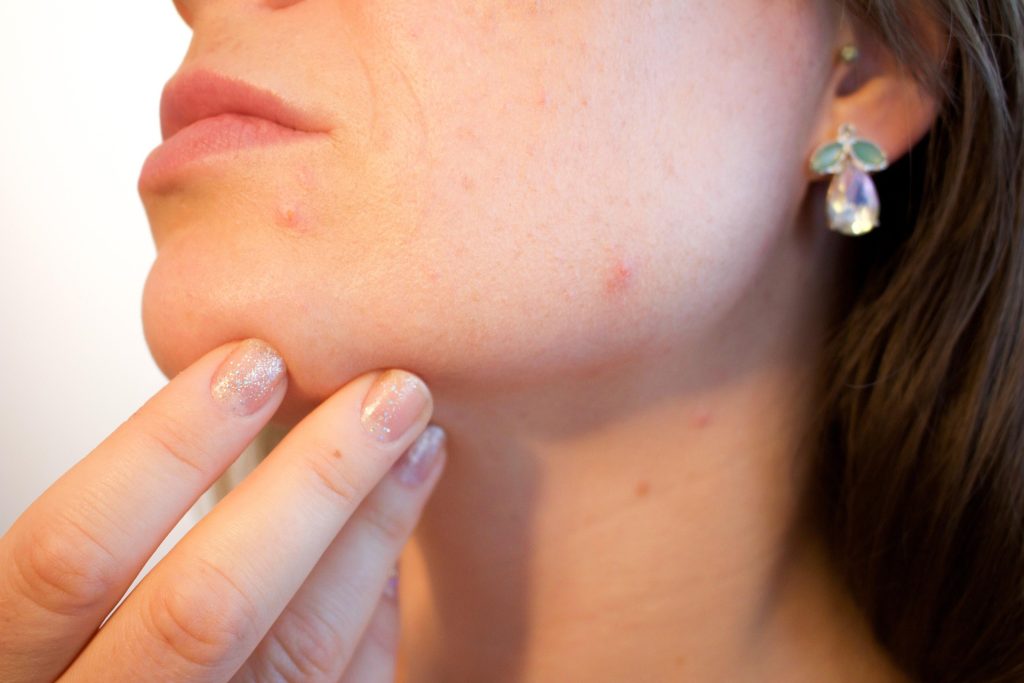
To achieve clearer, smoother skin, you must look beyond quick-fix marketing and understand the science of skin repair. Success requires a personalized strategy, acknowledging that the one-size-fits-all approach rarely delivers results in dermatology. Today’s options bridge the gap between gentle natural remedies for acne scars and a high-impact, high-tech approach to scar reduction utilizing advanced lasers and bio-stimulators. This guide will help you navigate these choices to find the path that best fits your skin goals.
Understanding Your Skin: Specific Condition & Scar Types
Before committing to a treatment, it is vital to understand why your skin looks the way it does. Acne scars form when the body’s inflammatory response is interrupted, leading to irregular collagen production. Identifying your specific scar category is the absolute first step in reducing the appearance of acne scars.
Atrophic Scars (Indented Scars)
Atrophic scars are the most common variety, caused by a loss of underlying tissue or fat during the healing process. They generally fall into three shapes:
- Rolling Scars: These have soft, sloping edges that create an undulating, wavy texture across the skin.
- Ice Pick Scars: These appear as deep, very narrow pits, looking as though a tiny needle pierced the skin. These are often the most resistant to topical creams.
- Boxcar Scars: These are broader, square-shaped indentations with sharply defined vertical walls.
Hypertrophic Scars (Raised Scars)
Unlike indentations, hypertrophic scars (raised scars) occur when the body over-corrects and produces too much collagen. These are frequently found on the jawline, back, and chest. They feel like firm, raised bumps and require specific clinical treatments to flatten.
Post-Inflammatory Hyperpigmentation (PIH) and Discoloration.
Many people mistake dark spots for permanent scarring. Post-inflammatory hyperpigmentation (PIH) consists of flat, discolored marks left behind by inflammation. While they contribute to the look of deep pits and discoloration, they are not structural scars because the skin remains flat. However, sun-damaged skin can lock in this pigment, making these marks significantly harder to fade.
Natural & Home Remedies: How to Get Rid of Acne Scars Naturally
If you prefer a holistic starting point, you might ask: Can pantry staples truly heal the skin? While natural treatments for acne scars are unlikely to fill a deep physical hole in the skin, they are excellent for calming redness and brightening the surface.
Aloe Vera Gel for Skin Regeneration.
Aloe Vera gel for skin regeneration is a cornerstone of botanical skincare. It is rich in vitamins and enzymes that support the skin’s metabolic repair. Its primary benefit is its anti-inflammatory properties, which soothe the irritation of fresh marks and prevent secondary damage.
Lemon Juice for Hyperpigmentation.
Lemon juice is frequently used as a natural brightening agent for post-inflammatory hyperpigmentation (PIH). However, extreme caution is needed. Lemon is highly acidic; applying it to sun-damaged skin without rigorous SPF protection can lead to chemical burns or increased photosensitivity.
Honey and Cinnamon for Skin Rejuvenation.
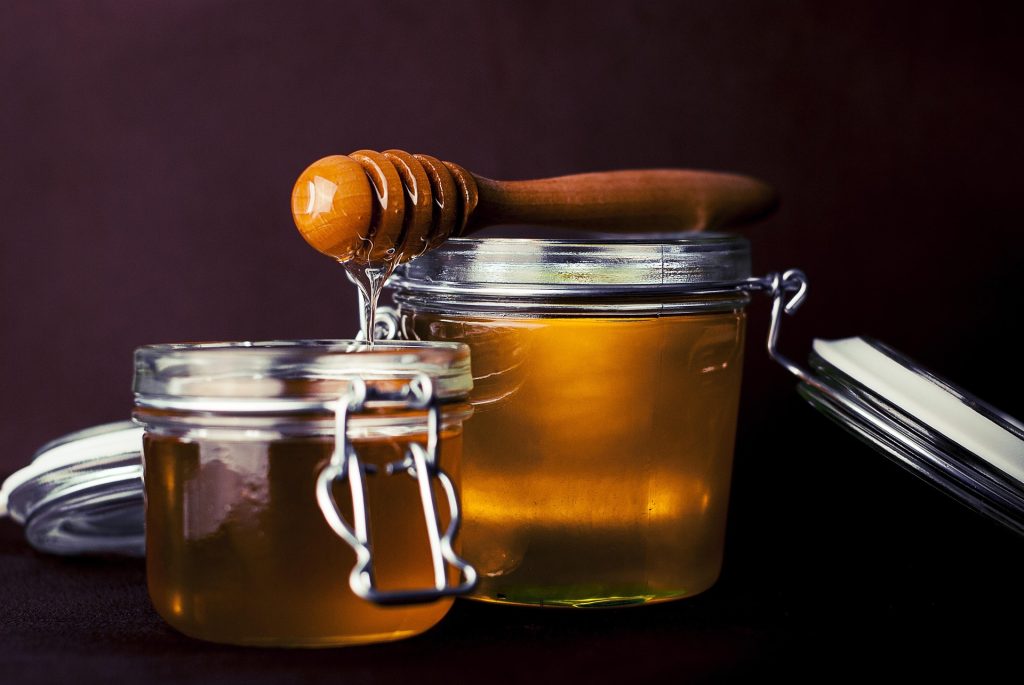
This duo offers more than just culinary value. Honey acts as a natural antibacterial shield, while cinnamon provides a very mild exfoliating effect. Together, they facilitate skin rejuvenation by keeping the pores clear and encouraging fresh tissue turnover.
Coconut Oil for Repairing Damaged Skin.

Packed with nourishing fatty acids, coconut oil for repairing damaged skin helps seal the moisture barrier. Dehydrated skin often makes textural irregularities look deeper, so maintaining hydration is key to making scars appear less prominent.
Professional & Aesthetic Treatments: Methods for Getting Rid of Acne Scars
When natural remedies for acne scars fail to deliver results, medical intervention is required. If your goal is to get rid of acne scars fast, aesthetic treatment options offer the most dramatic changes by triggering deep cell regeneration treatments.
Ultra Clear Laser Treatment:
The High-Tech Choice. The Ultra Clear Laser Treatment represents the gold standard in a high-tech approach to scar reduction. Unlike older, more painful lasers, this uses a cold fiber laser for collagen stimulation. Creating microscopic healing zones, it prompts the skin to fill in atrophic scars from within. As a premier non-invasive laser treatment, it is safe for all skin tones and ethnicities.
Dermal Fillers for Atrophic Scars.
For those dealing with rolling scars, dermal fillers provide a nearly instant solution. By injecting hyaluronic acid under the indentation, the surface is physically lifted. This results in immediate skin texture improvement that typically lasts for 12 to 18 months.
The Science of Profile and Polynucleotides. Modern dermatology now utilizes injectable bioremodelers:
- Profile (Hyaluronic acid injectable): This treatment floods the tissue with hydration to improve overall skin firmness and elasticity.
- Polynucleotide treatment: These act as DNA building blocks that signal your cells to repair damaged structures. It is one of the most advanced cell regeneration treatments available.
Micro needling (Mentioned as a Combined Procedure)
Micro needling involves creating thousands of controlled micro-injuries. While effective as a standalone, it is often mentioned as a combined procedure with radiofrequency or polynucleotides to maximize collagen and elastin production.
Results and Recovery: Achieving Skin Firmness and Elasticity
Professional methods for getting rid of acne scars provide a level of transformation that DIY care cannot match. While home remedies take months to show subtle shifts, minimally invasive procedures offer visible results in just a few weeks. The focus of these treatments is to restore long-term skin firmness and elasticity.
| Treatment Method | Typical Downtime | Recommended Frequency |
| Natural Remedies | 0 Days | Daily |
| Ultra Clear Laser | 2-4 Days | 3-5 Sessions |
| Dermal Fillers | 1-2 Hours | Every 12-18 Months |
| Micro needling | 24-48 Hours | 4-6 Sessions |
Export to Sheets
Post-care is crucial. Protecting your new skin from UV rays ensures that the fresh collagen and elastin production is not degraded by the sun.
Conclusion: Your Strategy for Reducing the Appearance of Acne Scars
The journey to achieve clearer, smoother skin is a marathon, not a sprint. While natural treatments for acne scars, like aloe and honey, are excellent for surface maintenance and calming the skin, they cannot physically rebuild deep tissue loss.
Whether you opt for the immediate lift of dermal fillers for atrophic scars or the structural repair of the Ultra Clear Laser Treatment, the ultimate goal is the same: feeling confident in your own skin. By combining the best of nature with a high-tech approach to scar reduction, you can effectively get rid of acne scars fast and enjoy a more radiant, even complexion.
FAQs
1. How can I get rid of acne scars fast?
The most efficient path is via clinical aesthetic treatments like dermal fillers for instant smoothing or laser resurfacing, which triggers rapid internal collagen repair.
2. Does Aloe Vera really work for acne scars?
Aloe Vera is great for fading redness and minor discoloration (PIH), but it lacks the structural power to fill in “pitted” or deep indented scars.
3. What is the best treatment for deep pitted scars?
For deep atrophic or ice pick scars, professionals usually recommend the Ultra Clear laser, specialized chemical peels, or micro needling to rebuild the lost tissue.
4. Can lemon juice damage my skin?
Yes. Because it is highly acidic and light-sensitive, applying it and then going into the sun can cause chemical burns or worsen sun-damaged skin. Always use SPF.
5. How many sessions of laser treatment are needed for acne scars?
Most patients observe significant skin texture improvement after 3 to 5 sessions, depending on the scar depth and the specific laser technology used.
