
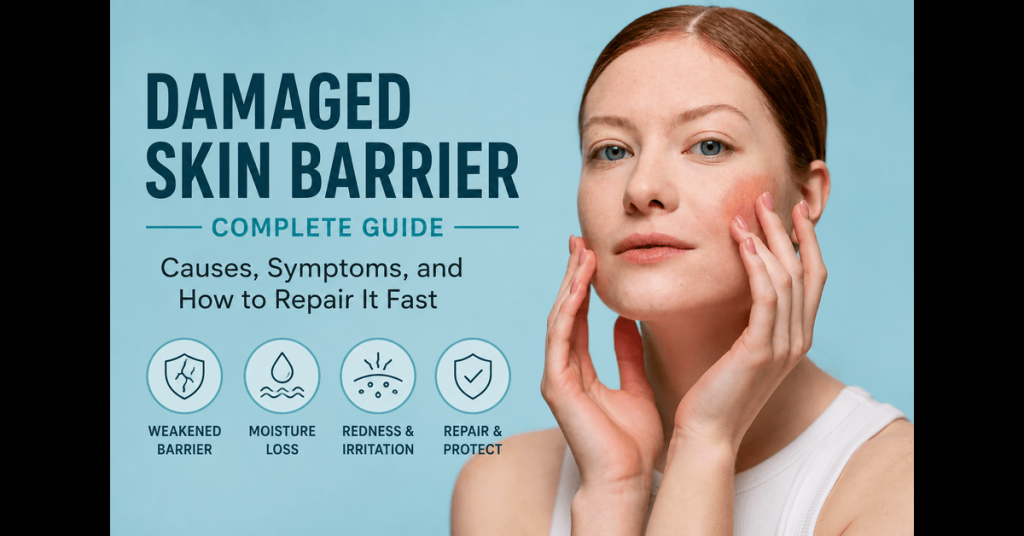
Damaged Skin Bar
A damaged skin barrier is one of the most common reasons behind dry, irritated, and sensitive skin. Your skin barrier is the outer protective layer that keeps moisture inside while blocking bacteria, allergens, and environmental pollutants. When this barrier becomes weak, your skin loses hydration more quickly and becomes vulnerable to redness, inflammation, and breakouts.
Everyday habits such as over-exfoliating, using harsh cleansers, applying too many active ingredients, or prolonged exposure to harsh weather can contribute to skin barrier damage. The good news is that, with the right care and consistent routine, you can repair a damaged skin barrier and restore healthier, stronger skin.
In this guide, you’ll learn what causes skin barrier damage, how to recognise damaged skin barrier symptoms, and the most effective ways to improve skin barrier health.
What Is the Skin Barrier and Why Is It Important?
The skin barrier, also called the stratum corneum, is the outermost layer of your skin. It is made up of tightly packed skin cells held together by skin lipids, including ceramides, cholesterol, and fatty acids. These components create a strong moisture barrier that helps retain hydration while protecting your skin from harmful external irritants.
How the Skin Barrier Works
A healthy skin barrier function is essential for maintaining smooth, comfortable skin. It helps:
- Lock in skin hydration
- Improve skin moisture retention
- Protect against bacteria, allergens, and pollution
- Support healthy skin
- Improve skin resilience
- Maintain skin balance
- Promote smoother skin texture
- Create a more even skin tone
When this protective layer becomes damaged, your skin is no longer able to defend itself effectively, increasing the risk of irritation and moisture loss.
What Is a Damaged Skin Barrier?
A damaged skin barrier develops when the skin’s natural protective layer becomes weakened. As a result, water escapes from the skin more easily, while irritants penetrate deeper into the surface.
What Happens When the Barrier Weakens?
A compromised skin barrier often causes the following:
- Increased water loss
- Persistent dryness
- Greater skin sensitivity
- More irritation and inflammation
- Reduced protection against environmental damage
A weakened skin barrier may also slow the skin’s natural healing process, making it more difficult to recover from everyday stressors.
What Causes Skin Barrier Damage?
Several daily habits can weaken your skin’s protective barrier over time.
Over-Exfoliation
Using physical scrubs or exfoliating acids too often removes protective lipids and weakens the barrier, leaving the skin dry and sensitive.
Harsh Cleansers
Cleansers containing strong detergents or alcohol can strip away natural oils, leading to skin irritation, tightness, and dehydration.
Active Ingredients
Overusing retinoids, benzoyl peroxide, or multiple treatment products at the same time may overwhelm the skin and contribute to barrier damage.
Environmental Stressors
Daily exposure to pollution, cold weather, dry air, sun exposure, hot water, and chlorinated pools can gradually reduce the skin’s natural moisture and weaken its protective layer.
Signs and Symptoms of a Damaged Skin Barrier
Recognising the early signs of a damaged skin barrier allows you to take action before the problem worsens. Since the barrier controls moisture retention and skin protection, damage often appears as dryness, irritation, and increased sensitivity.
Common Damaged Skin Barrier Symptoms
A weakened barrier may cause the following:
- Dry skin and persistent skin dryness
- Flaky skin or rough patches
- Itchy skin that feels uncomfortable
- Tight skin after cleansing
- Skin redness or visible red skin
- Skin irritation when using skincare products
- Inflamed skin caused by skin inflammation
- Increased skin sensitivity
- A burning sensation on skin or stinging skin
- Unexpected breakouts or recurring breakouts
- Dehydrated skin that lacks softness and glow
How to Know If Your Skin Barrier Is Damaged
If your skin suddenly reacts to products that never caused problems before, your barrier may be compromised. Ongoing dryness, peeling, redness, and discomfort despite regular moisturising are also common warning signs. When your skin feels irritated after cleansing or becomes overly sensitive to weather changes, it usually indicates that the protective barrier needs repair.
Skin Conditions Linked to a Damaged Skin Barrier
A damaged barrier can increase the risk of several skin concerns or make existing conditions worse.
- Eczema: Loss of moisture can worsen itching, dryness, and inflammation.
- Rosacea: A weakened barrier often increases facial redness and flushing.
- Acne: Irritated skin may become more prone to breakouts.
- Chronic irritation: Skin may remain sensitive and take longer to recover.
Repairing the barrier often helps improve these conditions alongside proper treatment.
How to Repair a Damaged Skin Barrier
Restoring the barrier requires patience and a simple, consistent skincare routine.
Simplify Your Skincare Routine
Reduce your routine to a few essential products. Use a gentle cleanser, apply a nourishing moisturiser, and avoid unnecessary skin care products until your skin recovers.
Use Barrier Repair Ingredients
Choose products containing proven barrier repair ingredients, including:
- Ceramides
- Niacinamide
- Hyaluronic acid
- Glycerin
- Cholesterol
- Fatty acids
These hydrating ingredients replenish moisture, while moisturizing ingredients strengthen the skin’s natural protective barrier.
Choose the Right Moisturiser
The best moisturiser for a damaged skin barrier should provide lasting hydration while reinforcing the skin’s protective layer. A quality barrier repair moisturiser helps reduce moisture loss, improves skin comfort, and supports faster healing.
Protect Your Skin Daily
Apply broad-spectrum sunscreen every morning. Daily sunscreen protects healing skin from UV damage and prevents additional barrier damage.
Best Skincare Routine for Damaged Skin Barrier
A simple, consistent routine is often the fastest way to support skin barrier repair. Avoid using too many products and focus on hydration and protection until your skin feels comfortable again.
Morning Routine
- Wash your face with a gentle cleanser.
- Apply a hydrating serum containing hyaluronic acid.
- Use a barrier repair moisturiser with ceramides and glycerin.
- Finish with broad-spectrum sunscreen (SPF 30 or higher).
Evening Routine
- Cleanse with a gentle, fragrance-free cleanser.
- Apply a nourishing moisturiser rich in ceramides, cholesterol, and fatty acids.
- Skip strong exfoliants and unnecessary active ingredients while your skin heals.
This barrier repair skincare routine is also an effective skincare routine for damaged skin barriers because it restores moisture without overwhelming sensitive skin.
Best Skincare Products for Damaged Skin Barrier
Best Ingredients to Look For
When choosing the best skincare for a damaged skin barrier, prioritise products containing ingredients that strengthen the skin and improve hydration.
| Ingredient | Benefit |
| Ceramides | Restore the protective barrier |
| Niacinamide | Calm redness and strengthen the skin. |
| Hyaluronic Acid | Boost hydration |
| Glycerin | Improve moisture retention |
| Cholesterol | Rebuild protective lipids |
| Fatty Acids | Support long-term barrier repair |
Many dermatologists recommend skin barrier repair products that combine several of these ingredients for better results.
Ingredients to Avoid
Avoid products containing:
- Strong exfoliating acids
- Harsh alcohol-based toners
- Rough facial scrubs
- High-strength retinoids
- Excessive benzoyl peroxide
How to Restore Your Skin Barrier Naturally
If you’re wondering how to restore your skin barrier, healthy daily habits are just as important as skincare products.
- Drink enough water every day.
- Eat foods rich in healthy fats and antioxidants.
- Sleep at least seven hours each night.
- Avoid unnecessary exfoliation.
- Moisturise consistently.
- Protect your skin from excessive sun exposure.
These habits help restore skin barrier function, improve skin resilience, and strengthen your skin naturally.
How Long Does Skin Barrier Repair Take?
Many people ask, How long does skin barrier repair take? Mild damage usually improves within one to two weeks, while moderate cases often require three to six weeks. Severe skin barrier damage may take two to three months, depending on your skincare routine and overall skin condition.
Following a gentle routine consistently supports skin barrier recovery, promotes skin barrier healing, and improves overall skin repair.
Common Mistakes That Keep Your Skin Barrier Damaged
Avoid these common mistakes:
- Over-exfoliating
- Using harsh cleansers every day
- Skipping moisturizer
- Mixing too many active ingredients
- Forgetting sunscreen
- Washing with very hot water
When Should You See a Dermatologist?
If your skin continues to feel irritated or symptoms become worse after several weeks of gentle care, consult a dermatologist. They can identify underlying skin conditions, recommend medical-grade skincare, and create a personalised skincare plan that matches your skin’s needs.
How to Prevent Skin Barrier Damage
To maintain a healthy skin barrier:
- Cleanse gently twice a day.
- Moisturise regularly.
- Wear sunscreen daily.
- Exfoliate only when necessary.
- Introduce active ingredients gradually.
- Stay hydrated and follow a balanced diet.
These habits improve skin barrier health and help prevent future damage.
Important Terms & Meanings
| Word | Meaning |
|---|---|
| Damaged Skin Barrier | A weakened outer layer of the skin that loses moisture and allows irritants to penetrate more easily. |
| Skin Barrier | The skin’s protective outer layer that helps retain moisture and blocks harmful environmental aggressors. |
| Stratum Corneum | The outermost layer of the skin that forms the body’s primary protective barrier. |
| Ceramides | Natural skin lipids that strengthen the skin barrier and reduce moisture loss. |
| Niacinamide | A form of vitamin B3 that helps calm irritation, strengthen the skin barrier, and improve skin texture. |
| Hyaluronic Acid | A hydrating ingredient that attracts and retains moisture, keeping the skin soft and plump. |
| Glycerin | A powerful humectant that draws water into the skin to improve hydration. |
| Moisture Barrier | The skin’s protective layer that prevents water loss and supports healthy skin function. |
| Barrier Repair Moisturizer | A moisturiser designed to restore the skin barrier and improve long-lasting hydration. |
| Broad-Spectrum Sunscreen | A sunscreen that shields the skin from both UVA and UVB rays, helping prevent further skin barrier damage. |
Conclusion

A damaged skin barrier can lead to dryness, irritation, redness, and sensitivity, but it is usually reversible with proper care. Following a simple skincare routine, using barrier-supporting ingredients, and protecting your skin from environmental stressors can help repair a damaged skin barrier, restore skin barrier function, and maintain long-term skin barrier health. Small, consistent skincare habits will keep your skin stronger, healthier, and more resilient over time.
FAQs
What is a damaged skin barrier?
A damaged skin barrier is a weakened outer layer of skin that cannot effectively retain moisture or protect against irritants.
What causes skin barrier damage?
Common causes include over-exfoliation, harsh cleansers, UV exposure, pollution, and overusing active ingredients.
How can I repair a damaged skin barrier?
Use a gentle cleanser, barrier-repair moisturiser, sunscreen, and products containing ceramides, niacinamide, and hyaluronic acid.
How long does skin barrier repair take?
Most mild cases improve within one to two weeks, while severe damage can take several months.
What is the best moisturiser for a damaged skin barrier?
Choose a fragrance-free moisturiser containing ceramides, glycerin, cholesterol, and fatty acids to strengthen the skin barrier.
