
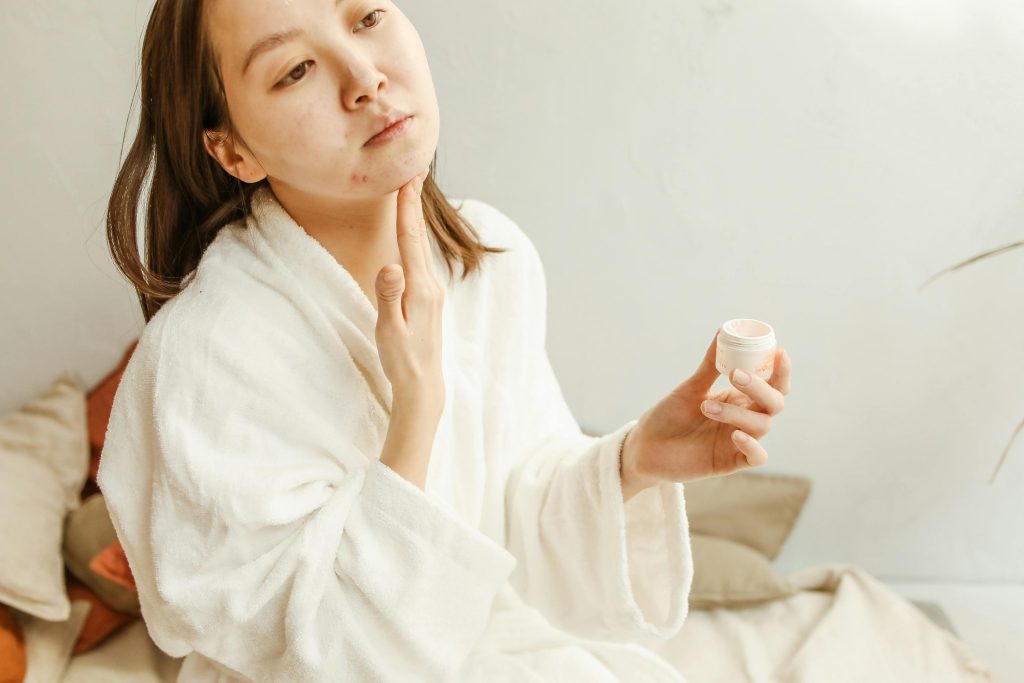
Fungal acne is a skin condition that often looks like regular acne but has a completely different cause. It is medically called Malassezia folliculitis or pityrosporum folliculitis and happens when Malassezia yeast overgrows inside hair follicles. This leads to small, itchy breakouts that do not respond well to normal acne treatments.
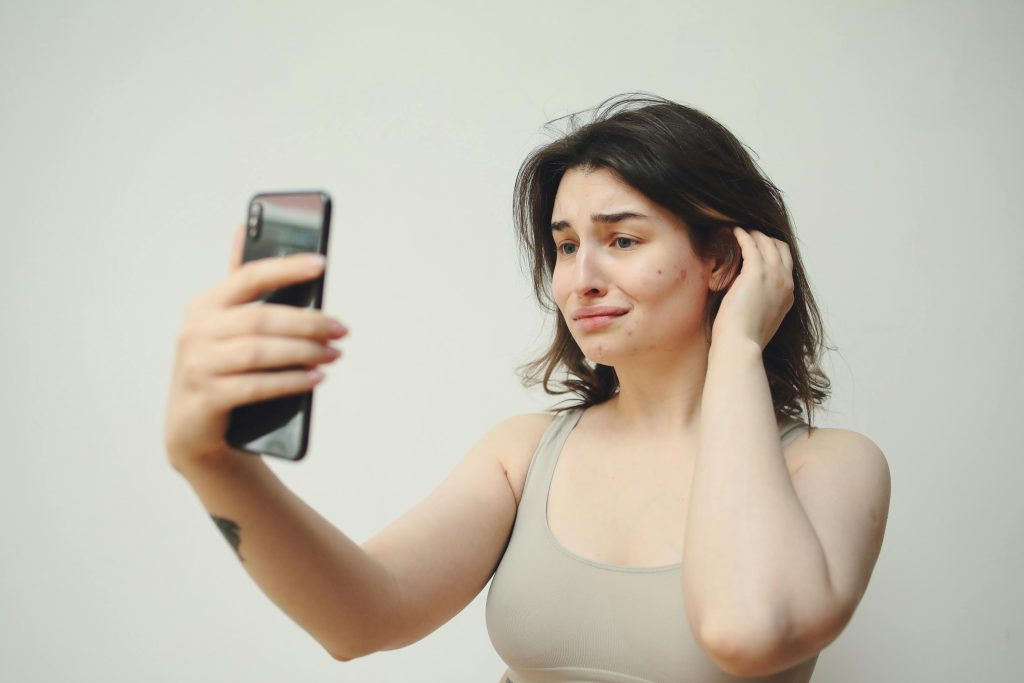
Unlike bacterial acne, which is caused by the bacterium acnes, fungal acne requires antifungal care, proper skincare habits, and lifestyle control for effective results.
What Is Fungal Acne?
Understanding Malassezia Folliculitis
Fungal acne is a fungal skin infection affecting hair follicles due to a yeast imbalance on the skin.
Related Terms
- fungal acne
- Malassezia folliculitis
- pityrosporum folliculitis
- Malassezia yeast
- yeast overgrowth skin
- hair follicle infection
How It Develops
When oil, sweat, and humidity increase on the skin, Malassezia yeast multiplies and causes clogged and inflamed follicles.
Common Fungal Acne Symptoms
Fungal acne has a unique pattern of symptoms that makes it different from normal acne.
Symptoms Include
- fungal acne symptoms
- itchy acne bumps
- itchy skin bumps
- acne-like rash
- inflamed hair follicles
- acne clusters
- uniform acne bumps
- small red bumps
Common Areas
| Area | Symptoms |
| Face | Itchy small bumps |
| Chest | Sweat-related breakouts |
| Back | Clustered bumps |
| Shoulders | Red itchy acne |
| Neck | Inflamed follicles |
Fungal Acne Vs Bacterial Acne – Key Differences
How to Identify Fungal Acne Correctly
Fungal acne is often confused with bacterial acne, leading to incorrect treatment.
Key Differences
- fungal acne vs bacterial acne
- acne vs folliculitis
- acne misidentification
- stubborn acne
- how to identify fungal acne
- fungal acne diagnosis
- diagnose fungal acne
Important Note
Fungal acne does not improve with standard acne products and often worsens with antibiotics.
Areas Commonly Affected by Fungal Acne
Fungal acne usually appears in sweat-prone areas:
- fungal acne on face
- fungal acne on forehead
- fungal acne on the chest
- fungal acne on the back
- fungal acne on the shoulders
- fungal acne on the neck
Fungal Acne Vs Hormonal Acne
Hormonal acne is deeper and more painful, while fungal acne is superficial and itchy.
- fungal acne vs hormonal acne
- Cut bacterium acnes
- bacterial acne treatment
What Causes Fungal Acne?
Heat, Sweat, and Humidity Triggers
Hot and humid environments increase yeast growth.
- heat and humidity
- humid weather acne
- hot climate acne
- excessive sweating
- trapped sweat
- sweat acne
- sweaty skin breakouts
Lifestyle and Skin Barrier Causes
Skin habits and environment can weaken skin defense.
- oily skin acne
- compromised skin barrier
- skin barrier damage
- occlusive clothing
- non-breathable fabrics
- stress and acne
- gut health and acne
Diet and Medical Triggers
Certain internal factors may contribute to fungal acne.
- high carbohydrate diet
- high sugar diet
- dairy and acne
- antibiotic use
- topical antibiotics
- oral antibiotics
- immunosuppression
- weakened immune system
- seborrheic dermatitis
- dandruff and fungal acne
Best Fungal Acne Treatment Options
Over-the-Counter Antifungal Treatment
Antifungal products help control yeast overgrowth.
Options
- antifungal treatment
- over-the-counter antifungal
- antifungal creams
- antifungal body wash
- fungal acne cream
- fungal acne wash
- antifungal skincare
- antifungal therapy
Ketoconazole and Medicated Shampoos
Ketoconazole is one of the most effective solutions.
- ketoconazole
- ketoconazole shampoo
- ketoconazole cream
- Does ketoconazole help fungal acne
- dandruff shampoo for fungal acne
- Mizoram for fungal acne
- best shampoo for fungal acne
- fungal acne wash routine
Prescription Fungal Acne Medication
Used for severe or resistant cases.
- fungal acne medication
- prescription antifungal
- oral antifungals
- fluconazole
- Iitraconazole
- econazole cream
- ciclopirox cream
- resistant fungal acne
- chronic fungal acne
Natural Remedies and Supportive Treatments
- sulfur treatment
- sulfur mask
- tea tree oil
- atelic acid
- salicylic acid
- how to treat fungal acne naturally
Best Fungal Acne Safe Skincare Routine
Morning Routine
A simple daily routine helps control flare-ups.
- fungal acne skincare routine
- fungal acne routine
- fungal acne safe skincare
- fungal acne safe cleanser
- best cleanser for fungal acne
- fungal acne safe moisturizer
- best moisturizer for fungal acne
- lightweight moisturizer
- fungal acne safe sunscreen
- noncomedogenic sunscreen
- fungal acne safe sunscreen brands
Night Routine
- fungal acne safe exfoliates
- fungal acne safe exfoliator
- fungal acne safe skincare products
- maintenance therapy
- weekly antifungal wash
- fungal acne maintenance routine
Makeup Tips
- fungal acne safe makeup
- skincare for sweaty skin
Ingredients to Avoid If You Have Fungal Acne
Malassezia-Triggering Ingredients
These ingredients can worsen fungal acne:
- skincare ingredients that feed Malassezia
- coconut oil
- olive oil
- plant oils
- fatty acids
- stearic acid
- palmitic acid
- oleic acid
- isopropyl microstate
- isopropyl palmitate
- polysorbates
- cholesterol skincare
- fermented skincare ingredients
Fungal Acne Safe Ingredients
- fungal acne safe ingredients
- squalene
- mineral oil
- acrylic triglyceride
- glycerin
- hyaluronic acid
- Aloe Vera
- niacin amide
How to Prevent Fungal Acne Naturally
Daily Prevention Habits
- fungal acne prevention
- fungal acne prevention strategies
- how to prevent fungal acne
- fungal acne recurrence prevention
- fungal acne recurrence
Hygiene and Clothing
- breathable fabrics
- cotton clothing
- workout clothes hygiene
- shower after sweating
- clean pillowcases
- gym hygiene skincare
- antifungal laundry additive
- humid environment skincare
- tropical climate acne care
- summer acne prevention
Can Fungal Acne Come Back After Treatment?
Reasons for Recurrence
- fungal acne outbreak
- fungal acne after antibiotics
- fungal acne from sweating
- fungal acne due to humidity
- Can fungal acne spread
- Can fungal acne go away on its own?
- how long does fungal acne last
Side Effects and Skin Damage from Fungal Acne
Skin Concerns
- acne inflammation
- acne scars
- post-inflammatory hyperpigmentation
When to Visit a Dermatologist
- dermatologist for fungal acne
- severe fungal skin infection
- resistant fungal acne
- chronic fungal acne
- persistent itchy acne bumps
Conclusion
Fungal acne requires targeted antifungal treatment, not regular acne products. With the right skincare routine, lifestyle changes, and prevention strategies, you can control Malassezia overgrowth and maintain clear skin long term.
FAQs
What is the best fungal acne treatment?
Ketoconazole-based products and antifungal skincare are highly effective.
Does ketoconazole help fungal acne?
Yes, it reduces Malassezia yeast and clears fungal acne symptoms.
How long does fungal acne last?
It can improve within 2-4 weeks with proper treatment.
Can fungal acne spread?
It is not highly contagious but can worsen under poor hygiene.
What are the best fungal acne-safe skincare products?
Products with niacin amide, glycerin, squalene, and hyaluronic acid are generally safe.
