
If you’ve ever woken up on the day of a big presentation—or a first date—only to find a massive, red “guest” parked right on your chin, you know how frustrating acne can be. It feels like your skin is betraying you, and no amount of concealer can hide the annoyance.
But here’s the truth: acne isn’t a sign that you’re “dirty” or doing something wrong. It’s a complex skin condition that affects millions of adults and teens alike. The good news? With the best skincare routine for acne, you can take control, calm the inflammation, and finally get that glow you’ve been chasing.
Why Your Current Routine Might Be Failing You?
Most people respond to a breakout by attacking their face. They scrub harder, use harsher chemicals, and skip moisturizer because they think oil is the enemy. In reality, this “scorched earth” policy often makes acne worse by damaging your skin barrier.
To fix acne, we need to work with your skin, not against it.
The Core Pillars of an Anti-Acne Routine
Before we dive into the steps, let’s look at the ingredients that actually do the heavy lifting. When shopping for products, look for these “holy grail” additions:
- Salicylic Acid (BHA): Dissolves the “glue” holding dead skin cells together and gets deep into pores.
- Benzoyl Peroxide: Kills the bacteria ($C. acnes$) that cause those painful red bumps.
- Retinoid: Increases cell turnover so pores don’t get clogged in the first place.
- Niacin amide: A form of Vitamin B3 that calms redness and regulates oil.
- Hyaluronic Acid: Keeps your skin hydrated without adding grease.
Step-by-Step: The Best Skincare Routine for Acne
Morning Routine: Protection and Prevention
Your morning goal is to protect your skin from the environment and keep oil production in check throughout the day.
1. Gentle Cleansing
Start with a mild, non-comedogenic (won’t clog pores) cleanser. You want to remove the sweat and oils from the night without leaving your face feeling “tight.”
- Tip: If you used a strong treatment the night before, a simple splash of lukewarm water might be enough.
2. Targeted Treatment or Serum
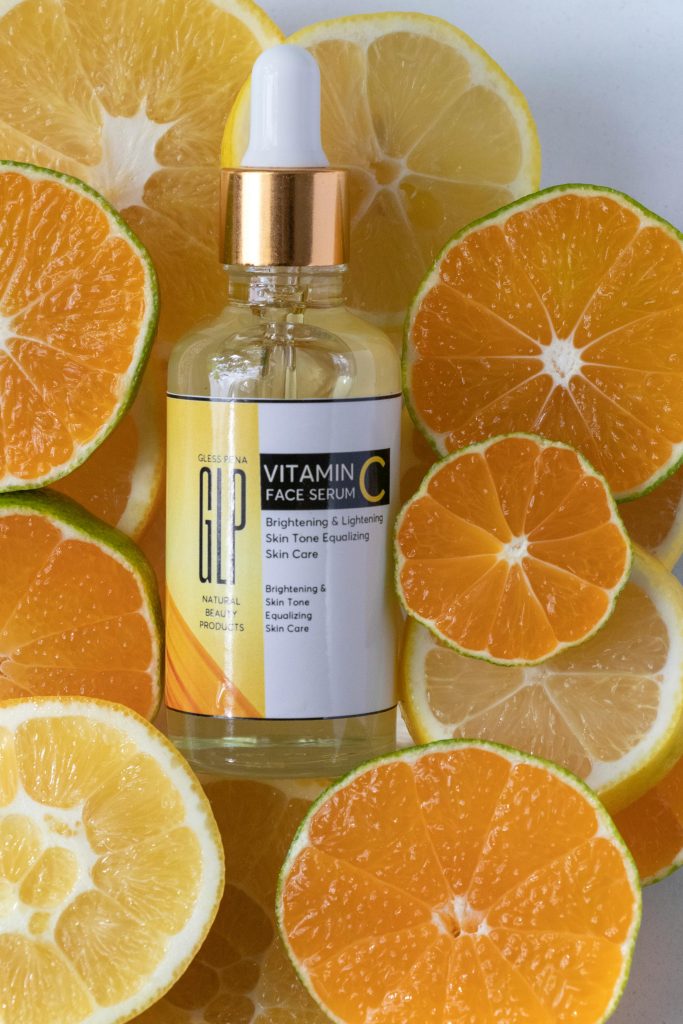
Apply a Vitamin C serum or a Niacin amide-based product. Vitamin C helps fade the dark spots (post-inflammatory hyperpigmentation) left behind by old pimples, while Niacin amide keeps your pores looking tight.
3. Lightweight Moisturizer
Yes, oily skin needs moisture! If you skip this, your skin will overcompensate by producing more oil. Look for “oil-free” or “gel” formulas.
4. Sunscreen (The Non-Negotiable Step)
Many acne treatments make your skin extra sensitive to the sun. Furthermore, UV rays can darken acne scars. Use a mineral sunscreen with Zinc Oxide, which actually helps soothe inflammation.
Evening Routine: Treatment and Repair
Nighttime is when the real magic happens. This is when you use stronger active ingredients to treat existing breakouts.
1. Double Cleanse
If you wear makeup or heavy sunscreen, use a micellar water first, followed by your regular cleanser. This ensures no debris is left behind to clog your pores overnight.
2. The Active Treatment
This is where the best skincare routine for acne really kicks in. Choose one of the following based on your skin type:
- For Blackheads/Whiteheads: Use a Salicylic Acid liquid exfoliate 2–3 times a week.
- For Inflamed/Cystic Acne: Apply a thin layer of Benzoyl Peroxide (2.5% is usually enough and less irritating than 10%).
- For Long-Term Prevention: Use an over-the-counter retinoid like Adapalene.
Important Note: Do not use all of these at once! Start slow to avoid chemical burns.
3. Hydrate and Seal
Finish with a slightly richer (but still non-clogging) moisturizer to support your skin’s repair process while you sleep.
Common Mistakes to Avoid
Even with the best products, these habits can sabotage your progress:
- Popping Pimples: This pushes bacteria deeper and almost guarantees a permanent scar.
- Over-Exfoliating: If your skin is peeling or stinging, back off. A healthy skin barrier is your best defense against acne.
- Changing Products Too Fast: It takes about 6 to 8 weeks for your skin to cycle. You won’t see results overnight.
- Using “Natural” Oils: Just because it’s “natural” doesn’t mean it’s good for acne. Coconut oil, for example, is highly comedogenic.
Lifestyle Factors That Impact Acne
While the best skincare routine for acne happens at the sink, your habits play a supporting role:
- Change Your Pillowcase: Your pillowcase collects oil, hair products, and drool (gross, but true). Change it every 2-3 days.
- Watch the Dairy and Sugar: For many people, high-glycemic foods and dairy can trigger insulin spikes that lead to more oil production.
- Clean Your Phone: Think about how often that glass screen touches your cheek. Wipe it down with alcohol daily.
- Manage Stress: Stress releases cortisol, which signals your sebaceous glands to go into overdrive.
Comparison: Salicylic Acid vs. Benzoyl Peroxide
| Feature | Salicylic Acid (BHA) | Benzoyl Peroxide |
| Action | Dissolves oil & unclogs pores | Kills acne-causing bacteria |
| Best For | Blackheads & whiteheads | Red, inflamed pimples |
| Irritation Level | Low to Moderate | Moderate (can bleach fabric) |
| Usage | Can be used daily | Best for spot treatment or wash |
FAQs About Acne Routines
- How much time does it take to see results?
Most dermatologists agree that it takes at least 6–12 weeks of consistent use to see a significant change. Your skin needs time to adjust and for new, clearer cells to reach the surface.
- If my skin is oily, can I still use a moisturizer?
Absolutely. In fact, you must. When you strip oily skin of moisture, it panics and produces even more oil to compensate. Stick to oil-free, water-based gel moisturizers.
3. Why is my acne getting worse after starting a new routine?
This might be “purging.” Ingredients like retinoid and BHAs speed up cell turnover, which can bring existing clogs to the surface all at once. If it lasts longer than 6 weeks, it might be a reaction, not a purge.
4. Does drinking water clear acne?
While staying hydrated is great for your overall health, water alone won’t cure acne. It’s more about what you don’t drink (like sugary sodas) that makes the difference.
5. Should I use a toner?
Modern toners aren’t the alcohol-heavy “stinging” liquids of the 90s. An alcohol-free toner with witch hazel or rose water can help balance pH, but it’s an optional step.

Meta Description:
Discover the best skincare routine for acne with our expert guide. Learn how to clear breakouts, soothe inflammation, and achieve glowing skin with simple steps.
Conclusion: Consistency is Your Secret Weapon
Finding the best skincare routine for acne isn’t about finding a “miracle” product; it’s about finding a sustainable rhythm. Your skin thrives on predictability. Start with the basics—cleanse, treat, moisturize, and protect—and give your body the time it needs to heal.