
Let’s be honest: waking up to a fresh breakout can feel like a personal betrayal by your own pores. Whether you’re a teenager or a professional navigating the “second puberty” of adult acne, that reflection in the mirror can dictate your mood for the entire day.
The good news? A 12-step regimen that costs more than your rent is not necessary. Achieving clear skin is less about the number of products you use and more about the consistency and strategy behind them. This guide will walk you through a science-backed, human-friendly skincare routine for acne that actually works without stripping your face like a piece of sandpaper.
Understanding the Enemy: Why Does Acne Happen?
Before we dive into the products, we have to understand what we’re fighting. Acne isn’t just “dirty skin”; in fact, scrubbing too hard often makes it worse.
Acne typically forms when four things happen at once:
- Excess Sebum: Your oil glands go into overdrive.
- Clogged Pores: Dead skin cells stick together and plug the follicle.
- Bacteria: Cut bacterium acnes (C. acnes) starts throwing a party in that plug.
- Inflammation: Your immune system shows up to the party, causing redness and swelling.
To fix it, our skincare routine for acne needs to address at least two or three of these factors.
The Morning Routine: Protect and Prevent
Your morning goal is simple: gently cleanse away the night’s oil and create a shield against the world.
1. The Gentle Cleanse
Start with a mild, non-comedogenic cleanser. Look for terms like “pH balanced.” If your skin is very oily, a foaming cleanser is great. If you’re also dealing with dryness, a hydrating cream-to-foam formula works wonders.
Internal Link Suggestion: [Link to an article about “How to Identify Your Skin Type”]
2. The Targeted Treatment (Optional)
If you have active whiteheads, a thin layer of salicylic acid (BHA) can help. This oil-soluble acid dives deep into the pores to “debunk” them.
- LSI Keyword: Salicylic acid for breakouts
3. Lightweight Hydration
Never skip moisturizer! Even if you feel like an oil slick, skipping moisturizer causes your skin to produce more oil to compensate. Use an oil-free, gel-based moisturizer.
4. The Non-Negotiable: SPF
Sunscreen is the most important part of a skincare routine for acne. Why? Because acne treatments (like retinol or acids) make your skin sensitive to the sun. Plus, UV rays darken acne scars (PIH), making them last months longer than they should. Seek out “zinc oxide” or “matte finish” sunscreens.
The Evening Routine: Treat and Repair
Nighttime is when the real heavy lifting happens. Your skin transitions from “defensive” to “repair” mode at this point.
1. Double Cleanse (The Game Changer)
If you wear makeup or heavy sunscreen, use a cleansing balm or micellar water first, then follow with your regular cleanser. This ensures no debris is left behind to clog pores overnight.
2. The Power Players
This is where you apply your active ingredients. For acne, the gold standards are:
- Benzoyl Peroxide: Kills bacteria instantly.
- Adapalene (Retinoid): Regulates cell turnover so pores don’t clog in the first place.
- Niacin amide: Reduces redness and controls oil.
3. Barrier Support
Use a slightly richer moisturizer at night. Look for Ceramides or Hyaluronic Acid. These ingredients help repair the skin barrier, which is often damaged by harsh acne treatments.
Key Ingredients to Look for (and Avoid)
When shopping for your skincare routine for acne, reading the label is your superpower.
The “Yes” List:
- Salicylic Acid (BHA): Exfoliates inside the pore.
- Azealia Acid: Great for sensitive skin and fading dark spots.
- Sulfur: Dries out active pimples gently.
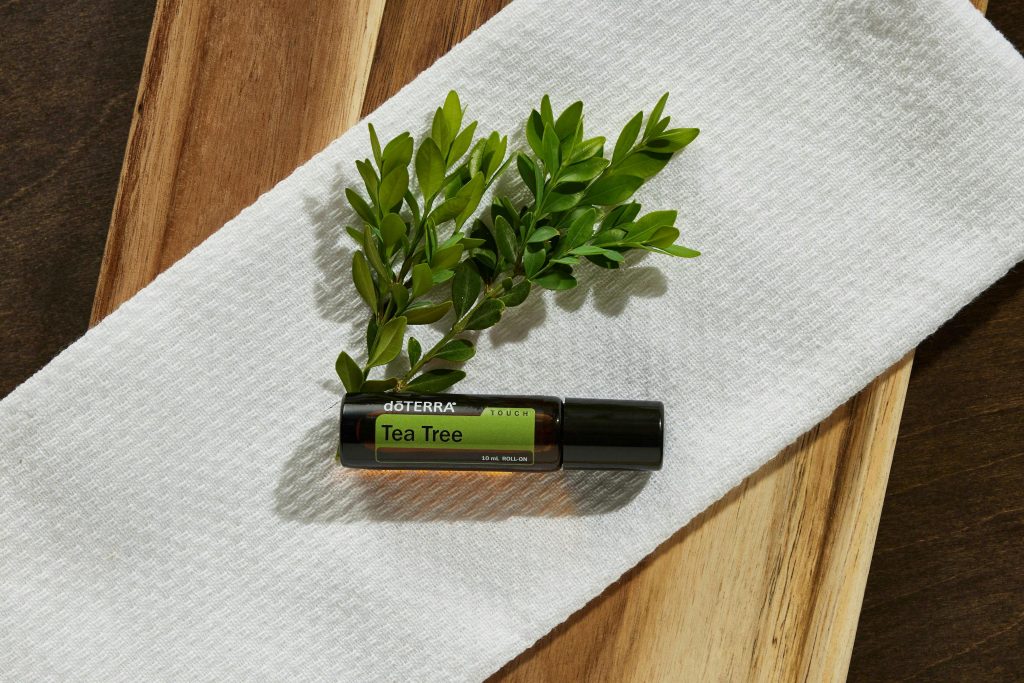
- Tea Tree Oil: A natural antibacterial (use diluted!).
The “No” List:
- Coconut Oil: Highly comedogenic (pore-clogging).
- Alcohol Dent: Dries out skin too much, causing rebound oiliness.
- Heavy Fragrances: Can irritate inflamed acne.
- LSI Keyword: Non-comedogenic skincare products
Lifestyle Habits That Support Your Routine
You can have the best products in the world, but if your lifestyle is working against you, progress will be slow.
- The Pillowcase Rule: Change your pillowcase every 2-3 days. It collects oil, hair products, and bacteria.
- Hands Off: Picking at a pimple pushes bacteria deeper and guarantees a scar.
- The Phone Factor: Wipe your smartphone screen daily. It touches your face more than you think!
- Diet and Acne: While chocolate doesn’t cause acne for everyone, some studies suggest high-glycemic foods (sugary snacks) and dairy can trigger flares in certain people.
- LSI Keyword: Acne triggers and prevention
Common Mistakes to Avoid
- Over-exfoliating: Scrubbing your face until it’s “squeaky clean” actually destroys your acid mantle. If your skin feels tight, you’ve gone too far.
- Expecting Instant Results: Skin cells take about 28 to 30 days to renew. You need to follow your skincare routine for acne for at least 6–8 weeks before deciding if a product works.
- Mixing Incompatibles: For example, don’t use Vitamin C and retinol at the exact same time; use Vitamin C in the morning and retinol at night.
- LSI Keyword: Damaged skin barrier symptoms
Sample Routine for Different Acne Types
| Acne Type | Key Ingredient | Suggested Frequency |
| Blackheads/Texture | Salicylic Acid | 3x per week |
| Inflammatory/Red Bumps | Benzoyl Peroxide | Every other night |
| Cystic/Hormonal | Adapalene (Retinoid) | Every night (after tapering) |
| Post-Acne Marks | Vitamin C / Alpha Arbutus | Every morning |

Conclusion: Consistency is Your Secret Weapon
Building an acne skincare routine doesn’t have to be an expensive or exhausting ordeal. By focusing on a gentle cleanse, smart active ingredients, and daily sun protection, you are giving your skin the environment it needs to heal itself.
FAQs: Your Questions Answered
1. How long does it take for an acne routine to work?
Typically, you will see a “purging” phase (where things look slightly worse) for 2 weeks, and visible improvement after 6–8 weeks. Real, lasting change usually takes 3 months.
2. Can I still use moisturizer if my skin is oily?
Yes! Dehydration (lack of fluids) can still affect oily skin. Using a lightweight moisturizer prevents your skin from overproducing oil to protect itself.
3. What is “purging”?
Purging happens when an active ingredient (like a retinoid) speeds up cell turnover. It’s annoying, but it means the product is working!
4. When should I see a dermatologist? It makes “hidden” blockages more quickly visible. If your acne is leaving deep scars, if it’s painful (cystic), or if over-the-counter products haven’t worked after 3 months, it’s time to see a pro.
External Reference Suggestion: [Link to American Academy of Dermatology (AAD) acne guidelines]
5. Does drinking more water clear acne?
Water is great for overall health, but it won’t magically “wash away” acne. Acne is a complex condition involving hormones and oil glands, though hydration does help your skin heal faster.