

We’ve all been there: you spend thirty minutes perfecting your makeup or grooming, only to look in the mirror by lunchtime and see a reflection that looks like it was wiped down with a slice of pizza. If your forehead has enough natural glow to signal a plane, you aren’t alone. Having oily skin can feel like a constant battle against gravity, humidity, and your own pores.

But here is the plot twist: oil or sebum isn’t actually the enemy. It’s your skin’s way of keeping itself hydrated and youthful. The goal isn’t to strip your face down to parchment paper; it’s about finding that sweet spot where your skin feels balanced, breathable, and healthy.
In this guide, we’re breaking down the science-backed, human-approved daily skincare routine for oily skin that actually works. No fluff, no 12-step nonsense-just the essentials to help you reclaim your complexion.
Understanding the Oil Slick Science
Before we dive into the products, let’s talk about why your skin is acting like a high-output oil refinery. Oily skin is primarily driven by genetics and hormones. Your sebaceous glands are simply overachievers.
While it can be frustrating to deal with enlarged pores and the occasional breakout, there is a silver lining. People with oily skin often have thicker skin and more natural moisture, which means you might actually see fewer fine lines and wrinkles as you age. Consider it a long-term investment that’s just a bit high-maintenance in the short term.
Common Oily Skin Myths
- Myth: You need to dry out your skin to stop the oil.
- Fact: Stripping your skin triggers reactive seborrhea, where your skin panics and produces more oil to compensate for the dryness.
- Myth: Oily skin doesn’t need moisturizer.
- Fact: Oil is not moisture. Your skin needs water hydration, even if it has plenty of oil lipid.
The Morning Routine: Defend and Matte
Preparation and protection are key components of your morning routine. You want to clear away the sweat and oil from the night before and create a matte canvas that lasts through your morning meetings or errands.
1: The Gentle Cleanse
Forget the harsh, scrubby beads. You want a foaming or gel-based cleanser that contains ingredients like Salicylic Acid (BHA) or Zinc PCA. These help break down excess oil without damaging your skin barrier.
2: The Balancing Toner
Toners have evolved. Move away from the alcohol-heavy astringents of the 90s. Look for a toner with Witch Hazel, niacin amide, or Green Tea. These ingredients help tighten the appearance of pores and calm inflammation.
3: The Lightweight Treatment (Serum)
If you struggle with dark spots or uneven texture, a Vitamin C serum is your best friend. For oily skin, look for a silky or water-like consistency. Vitamin C protects against environmental damage pollution and UV which can otherwise oxidize the oil on your face and lead to blackheads.
4: The Oil-Free Moisturizer
Yes, you still need it. Choose a water-based gel moisturizer. Ingredients like Hyaluronic Acid provide the water your skin craves without adding heavy oils.
5: Sunscreen (Non-Negotiable)
The sun can actually make oily skin worse by dehydrating it, leading to more oil production. Look for labels that say non-comedogenic won’t clog pores and matte finish. Mineral sunscreens with Zinc Oxide are often great for oily skin because they naturally help absorb surface oil.
The Evening Routine: Deep Clean and Repair
Nighttime is when the real magic happens. This is your chance to use stronger active ingredients that might be too sensitive for daytime wear.
1: The Double Cleanse (The Secret Weapon)
It sounds counterintuitive to put oil on oily skin, but an oil-based pre-cleanser or micellar water is the most effective way to dissolve stubborn SPF and makeup. Follow this with your regular gel cleanser. This ensures your pores are actually empty before you go to sleep.
2: Targeted Exfoliation
Chemical exfoliation is the gold standard for oily skin.
- BHA (Salicylic Acid): This is oil-soluble, meaning it gets inside the pore to glue-trap the gunk. Use this 2-3 times a week.
- AHAs (Glycolic or Lactic Acid): Great for smoothing the surface of the skin.
3: Retinoid (The Gold Standard)
If you aren’t using a retinoid or Retinol, you’re missing out. Not only does it help with aging, but it also regulates oil production and keeps cells turning over so they don’t get stuck in your pores. Begin slowly, two nights a week, and gradually increase.
4: Nighttime Hydration
You can go slightly heavier at night, but stick to oil-free lotions. Look for Ceramides to help repair your skin barrier while you sleep.
Weekly Power Moves for Oily Skin
Your daily routine is the foundation, but a few weekly extras can take your skin from okay to glowing.
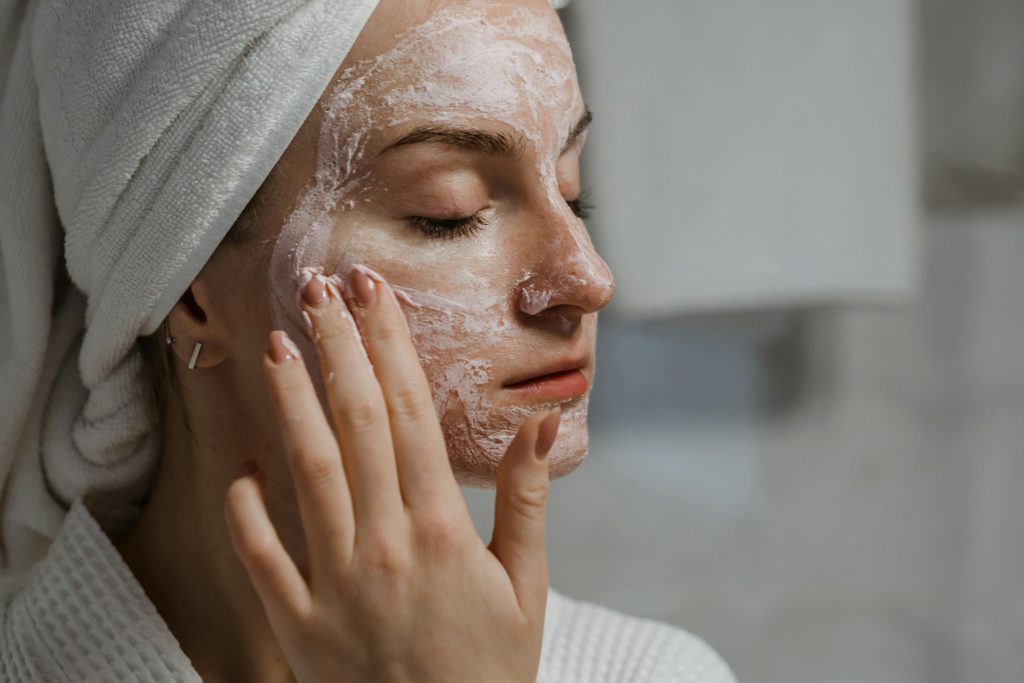
1. The Clay Mask Ritual
Once or twice a week, apply a Kaolin or Bentonite clay mask. These minerals act like a vacuum for your pores. Pro Tip: Don’t let the mask get so dry that it cracks; that actually dehydrates your skin. While it is still a little tacky, rinse it off.
2. Deep Hydration
Oily skin is often dehydrated, lacking water. Once a week, use a soothing sheet mask or a honey-based mask to plump the skin with moisture without adding oils.
3. Clean Your Tools
If you use makeup brushes or sponges, they are likely harboring oil, bacteria, and dead skin. Wash them once a week. The same goes for your pillowcases: switch to silk or clean cotton every few days to avoid rubbing old oil back into your face at night.
Lifestyle Tips: Managing Oil from the Inside Out
Sometimes, what we do off our face matters just as much as what we put on it.
- Watch the Dairy and Sugar: For some people, high-glycemic foods and dairy can trigger hormonal spikes that lead to increased oil production.
- Stay Hydrated: Drinking water won’t wash away the oil, but it keeps your skin cells healthy, making them less likely to overcompensate with sebum.
- Don’t Touch Your Face: Your hands carry oils and bacteria. Every time you lean your chin on your hand, you’re transferring that to your pores.
- Blot, Don’t Powder: If you get shiny during the day, use blotting papers first. If you just keep piling on powder, you’re creating a paste of oil and makeup that will eventually clog your pores.
Troubleshooting: When Routine Isn’t Enough
If you’ve followed a solid daily skincare routine for oily skin for 6-8 weeks and you’re still struggling with cystic acne or extreme oiliness, it might be time to see a dermatologist.
Sometimes, oiliness is a symptom of an underlying hormonal imbalance (like PCOS) or requires prescription-strength interventions like Spironolactone or Accutane. Seeking expert assistance is not a sign of weakness!
Common Mistakes to Avoid
- Over-washing: Washing your face four times a day won’t stop the oil; it will just irritate your skin. Stick to twice a day.
- Using Hot Water: Hot water strips natural oils and can cause inflammation. Use lukewarm water instead.
- Skipping SPF: Many people with oily skin hate the feel of sunscreen, but skipping it leads to sun damage that makes pores look larger and soggier over time.
- Inconsistency: Skincare isn’t a one-and-done deal. You won’t see results overnight. Give any new routine at least a full month the time it takes for skin cells to renew before deciding if it works.
Summary Checklist for Your New Routine
- AM: Cleanse (Gel) $\right arrow$ Tone $\right arrow$ Vitamin C $\right arrow$ Light Moisturizer $\right arrow$ SPF.
- PM: Double Cleanse $\right arrow$ BHA Exfoliate (2x/week) $\right arrow$ Retinol $\right arrow$ Night Moisturizer.
- Weekly: Clay Mask + Wash Makeup Brushes.
Conclusion
Managing oily skin doesn’t have to be a full-time job. By choosing the right ingredients, like Salicylic Acid and Niacin amide-and resisting the urge to scrub the oil away, you can achieve a balanced, healthy complexion. Remember, the goal isn’t to be matte like a piece of paper; it’s to have a healthy, controlled glow that looks like it belongs there.
FAQs
1. Why is my skin still oily even after I wash it?
If your skin feels oily immediately after washing, you might be using a cleanser that is too harsh. When you strip away every bit of natural oil, your skin enters panic mode and produces an emergency surge of sebum to replace what was lost. Switch to a pH-balanced, sulfate-free foaming cleanser to see if your oil production stabilizes.
2. Can oily skin use face oils?
It sounds crazy, but yes! Certain oils, like Squalene, Rosehip, or Jojoba oil, are non-comedogenic and mimic your skin’s natural sebum. When you apply these, they can actually trick your skin into thinking it has enough oil, potentially slowing down its own production. Just avoid heavy oils like coconut or cocoa butter.
3. How often should I exfoliate if I have oily skin?
For most people with oily skin, 2 to 3 times a week is the sweet spot. Using a chemical exfoliate like Salicylic Acid is better than a physical scrub. Over-exfoliating can damage your skin barrier, leading to redness, sensitivity, and-you guessed it-more oil.
4. Does drinking more water reduce oil production?
While drinking water is vital for overall health and skin plumpness, there is no direct scientific evidence that it reduces sebum production. Oil is controlled by hormones and genetics, while hydration is about water content in the cells. However, hydrated skin looks less angry and handles oil better.
5. Why are my pores so large, and can I shrink them?
Pore size is mostly genetic. When your glands produce a lot of oil, the pores stretch to allow the oil to flow out. You can’t physically shrink them like a window, but you can make them look much smaller by keeping them clear of debris using BHA (Salicylic Acid) and niacin amide.
6. Is a toner really necessary for oily skin?
It’s not strictly necessary, but it’s highly beneficial. Modern toners for oily skin act as a delivery system for active ingredients like Zinc or Witch Hazel. They help remove any last traces of dirt and prep the skin to absorb your moisturizer more effectively.
7. Should I use a different routine in the summer vs. winter?
Yes. During humid summer months, you might want to stick to purely gel-based products and a very light fluid SPF. In the winter, even oily skin can get dehydrated due to indoor heating, so you might need to add a slightly more hydrating serum or a creamier cleanser.
8. Can I skip moisturizer if I use a hydrating sunscreen?
Absolutely. If your sunscreen is moisturizing enough that your skin feels comfortable and doesn’t flake, you can skip the separate moisturizer step in the morning. This is actually a great way to de-bulk your routine and prevent a heavy, greasy feeling.

9. What is the best way to fix a shiny face during a date or meeting?
Don’t reach for the compact powder immediately! Use blotting papers or even a clean paper napkin to press not rub the oil away gently. Once the excess oil is removed, you can apply a tiny bit of translucent powder if needed. This prevents the cakey look.
10. Does oily skin age better than dry skin?
Generally, yes! The natural oils in your skin keep it lubricated and improve elasticity. While it doesn’t stop aging entirely, people with oily skin often develop fewer fine lines and surface wrinkles compared to those with chronically dry skin. Your grease is actually a built-in anti-aging serum!