
Many people assume every breakout is the same, but that is not true. One of the most common skincare mistakes is confusing fungal acne with bacterial acne. While both conditions can cause acne breakouts, they have different causes, symptoms, and treatment approaches.
Understanding the difference between fungal acne and bacterial acne is essential because using the wrong products can worsen your skin condition. In some cases, treatments designed for acne vulgaris may not help fungal folliculitis at all.
This guide explains fungal acne vs bacterial acne symptoms, causes, diagnosis methods, and treatment options so you can determine which condition may be affecting your skin.
Fungal Acne Vs Bacterial Acne: Understanding the Key Differences
What Is Fungal Acne?
Fungal acne is not traditional acne. It is a condition known as fungal folliculitis, caused by an overgrowth of Malassezia yeast inside hair follicles.
Unlike bacterial acne, fungal acne typically appears as small, uniform bumps that often itch. The condition develops when yeast overgrowth on the skin disrupts the normal balance of microorganisms.
Key Features of Fungal Acne
- Caused by Malassezia yeast
- Appears as itchy skin bumps
- Forms uniform pustules
- Often occurs in clusters
- Usually lacks blackheads and whiteheads
What Is Bacterial Acne?
Bacterial acne is the most common form of acne and is associated with the growth of cut bacterium acnes inside clogged pores.
This condition is commonly referred to as acne vulgaris and may include multiple lesion types such as whiteheads, blackheads, papules, pustules, nodules, and cystic acne.
Key Features of Bacterial Acne
- Caused by acne-causing bacteria
- Associated with excess sebum production
- Leads to clogged pores
- Can cause inflammatory acne
- Frequently results in painful acne lesions
Difference Between Fungal Acne and Bacterial Acne at a Glance
| Feature | Fungal Acne | Bacterial Acne |
| Main Cause | Malassezia yeast | cut bacterium acnes |
| Itching | Common | Rare |
| Blackheads | Usually absent | Common |
| Whiteheads | Usually absent | Common |
| Appearance | Uniform bumps | Mixed lesion types |
| Condition | Fungal folliculitis | Acne vulgaris |
| Treatment | Antifungal medications | Acne medications |
Fungal Acne Causes Vs Bacterial Acne Causes
Common Causes of Fungal Acne
Several factors encourage yeast overgrowth and increase the risk of fungal acne breakout.
Common Triggers
- Humid environment acne
- Fungal acne from sweating
- Sweat-induced acne
- Occlusive skincare products
- Heavy creams and oils
- Tight clothing
- Compromised immune system
Warm and humid conditions create an ideal environment for Malassezia yeast to multiply.
What Causes Bacterial Acne?
Bacterial acne develops when excess oil and dead skin cells accumulate inside pores.
Common Triggers
- Excess sebum production
- Clogged pores
- Hormonal acne
- Hormonal bacterial acne
- Family history and genetics
- Poor skincare habits
The growth of acne-causing bacteria inside blocked follicles triggers inflammation and breakouts.
Fungal Acne Vs Bacterial Acne Causes Compared
The primary difference is that fungal acne results from yeast overgrowth while bacterial acne results from bacterial proliferation inside pores.
Fungal acne thrives in moisture-rich environments, whereas bacterial acne is often linked to oily skin acne and hormonal fluctuations.
Fungal Acne Vs Bacterial Acne Symptoms: How to Identify Each Condition
Fungal Acne Symptoms
Common fungal acne symptoms include:
- Itchy skin bumps
- Uniform pustules
- Small clustered lesions
- Skin irritation
- Tenderness
- Fungal acne without blackheads
Most fungal acne lesions look nearly identical in size and shape.
Bacterial Acne Symptoms
Common bacterial acne symptoms include:
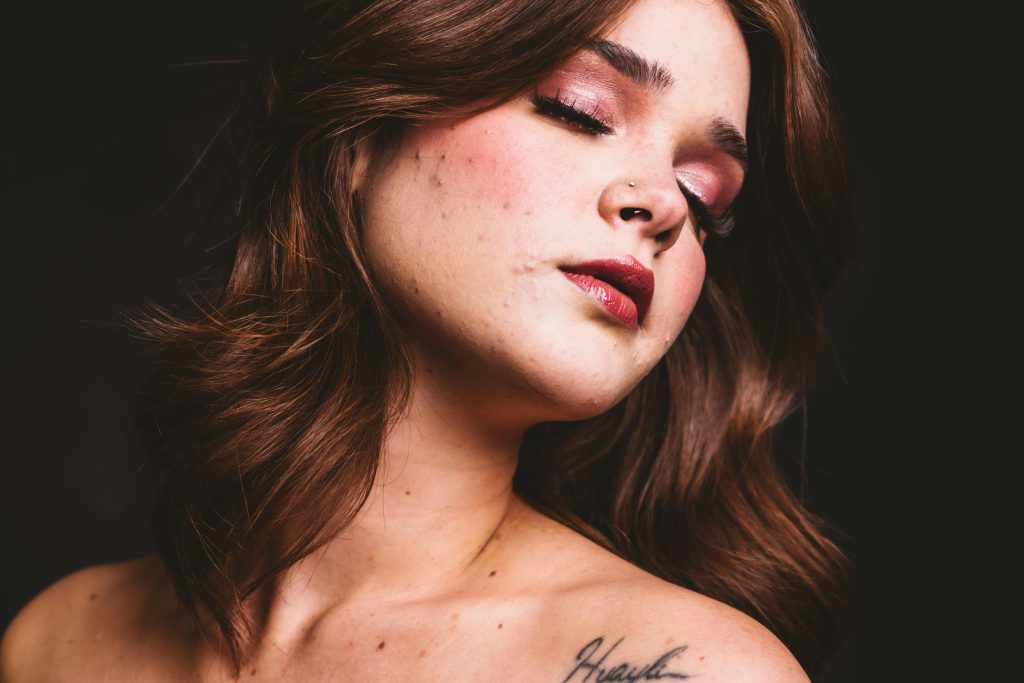
- Whiteheads
- Blackheads
- Papules
- Pustules
- Nodules
- Cystic acne
- Inflamed pimples
- Redness and swelling
- Painful acne lesions
Bacterial acne often presents with multiple lesion types simultaneously.
Itchy Acne Vs Regular Acne: The Most Important Clue
One of the easiest ways to distinguish the two conditions is itching.
Fungal Acne
- Frequently itchy
- Irritation worsens with sweating
Bacterial Acne
- Usually not itchy
- More likely to be painful and inflamed
What Does Fungal Acne Look Like Compared to Bacterial Acne?
Fungal Acne Bumps Vs Bacterial Acne Pimples
Fungal Acne
- Uniform appearance
- Similar size bumps
- Clustered distribution
Bacterial Acne
- Mixed lesion types
- Larger variation in size
- Deep inflammatory lesions possible
Common Areas Affected by Fungal Acne
Fungal acne commonly develops in areas prone to heat and sweat.
Common Locations
- Fungal acne on forehead
- Fungal acne on chest
- Fungal acne on back
- Fungal acne on shoulders
Bacterial Acne Hotspots
Bacterial acne frequently affects:
- Face
- Jawline
- Chin
- Chest
- Back
How to Tell Fungal Acne from Bacterial Acne
Signs Your Breakout May Be Fungal Acne
You may have fungal acne if you notice:
- Uniform clusters
- Persistent itching
- Lack of blackheads and whiteheads
- Worsening after sweating
Signs Your Breakout May Be Bacterial Acne
You may have bacterial acne if you notice:
- Mixed lesion types
- Comedowns present
- Hormonal flare-ups
- Deep inflamed lesions
How to Identify Fungal Acne at Home
Ask yourself:
- Is the breakout itchy?
- Are all bumps nearly identical?
- Are blackheads absent?
- Did symptoms worsen in humid weather?
If the answer is yes, fungal folliculitis may be the cause.
When You Need a Professional Acne Diagnosis
Consult a dermatologist if:
- Breakouts persist for months
- Over-the-counter products fail
- Symptoms worsen rapidly
- Severe inflammation develops
Professional acne diagnosis can prevent ineffective treatments.
Fungal Acne Vs Bacterial Acne Treatment Options
Best Treatment for Fungal Acne
Recommended Treatments
- Topical antifungal cream
- Oral antifungal medication
- Antifungal medications
- Anti-inflammatory treatment
Fungal Acne Prevention Strategies
- Keep skin dry
- Avoid heavy creams and oils
- Wear breathable clothing
- Reduce excessive sweating
Best Treatment for Bacterial Acne
Common bacterial acne treatment options include:
- Salicylic acid
- Benzoyl peroxide
- Retinoid
- Oral antibiotics
- Oral contraceptives for acne
- Isotretinoin
These ingredients reduce bacteria, unclog pores, and decrease inflammation.
Severe Bacterial Acne Treatment Recommended by Dermatologists
For stubborn acne, dermatologists may recommend:
- Chemical peels
- Microdermabrasion
- Laser therapy for acne
- Exfoliate medications
- Advanced dermatologist acne treatment
Fungal Acne Vs Bacterial Acne Treatment: What Works and What Doesn’t
| Treatment | Fungal Acne | Bacterial Acne |
| Antifungal Cream | ✓ | ✗ |
| Benzoyl Peroxide | Limited | ✓ |
| Salicylic Acid | Limited | ✓ |
| Retinoid | Limited | ✓ |
| Oral Antibiotics | May worsen | ✓ |
| Oral Antifungals | ✓ | ✗ |
The Best Skincare Routine for Acne-Prone Skin
Fungal Acne Skincare Routine
Focus On
- Gentle cleansing
- Keeping skin dry
- Lightweight products
- Avoiding yeast-feeding ingredients
Bacterial Acne Skincare Routine
Focus On
- Skin cleansing routine
- Moisturizing acne-prone skin
- Controlling excess sebum
- Consistent acne management
Supporting Long-Term Skin Health
For both conditions:
- Practice acne prevention
- Use sun protection for acne
- Reduce dark spots from acne
- Improve skin texture
- Follow effective blemish treatment strategies
Fungal Acne Vs Bacterial Acne: Which Condition Do You Have?
Quick Comparison Checklist
| Factor | Fungal Acne | Bacterial Acne |
| Cause | Yeast | Bacteria |
| Itching | Common | Uncommon |
| Blackheads | Rare | Common |
| Whiteheads | Rare | Common |
| Treatment | Antifungal | Antibacterial |
Most Common Misdiagnosis Errors
Many people treat fungal acne like bacterial acne and see no improvement.
Similarly, using antifungal products for acne vulgaris may not address the underlying bacterial cause.
Correct identification is the first step toward clear skin.
Conclusion
Understanding fungal acne vs bacterial acne is crucial for selecting the right treatment. Fungal acne is linked to Malassezia yeast and often causes itchy, uniform bumps, while bacterial acne develops from cut bacterium acnes, clogged pores, and excess sebum.
By recognizing the differences in symptoms, causes, and treatment options, you can avoid ineffective products and create a skincare routine that targets the true source of your breakouts. If your acne persists despite treatment, seek professional guidance for an accurate diagnosis and personalized care plan.
FAQs
How do I know if my acne is fungal or bacterial?
Fungal acne is typically itchy and appears as uniform bumps. Bacterial acne often includes blackheads, whiteheads, and inflamed pimples.
What does fungal acne look like?
Fungal acne usually appears as small, itchy, uniform pustules clustered together, especially on the forehead, chest, back, and shoulders.
Are blackheads a sign of fungal acne?
No. Blackheads are usually associated with bacterial acne. Fungal acne generally develops without blackheads.
Does sweating cause fungal acne?
Excessive sweating can contribute to fungal acne by creating a warm, moist environment that supports Malassezia yeast growth.
What is the best treatment for fungal acne?
The best treatment often includes topical antifungal cream, oral antifungal medication when necessary, and avoiding products that promote yeast overgrowth.
