
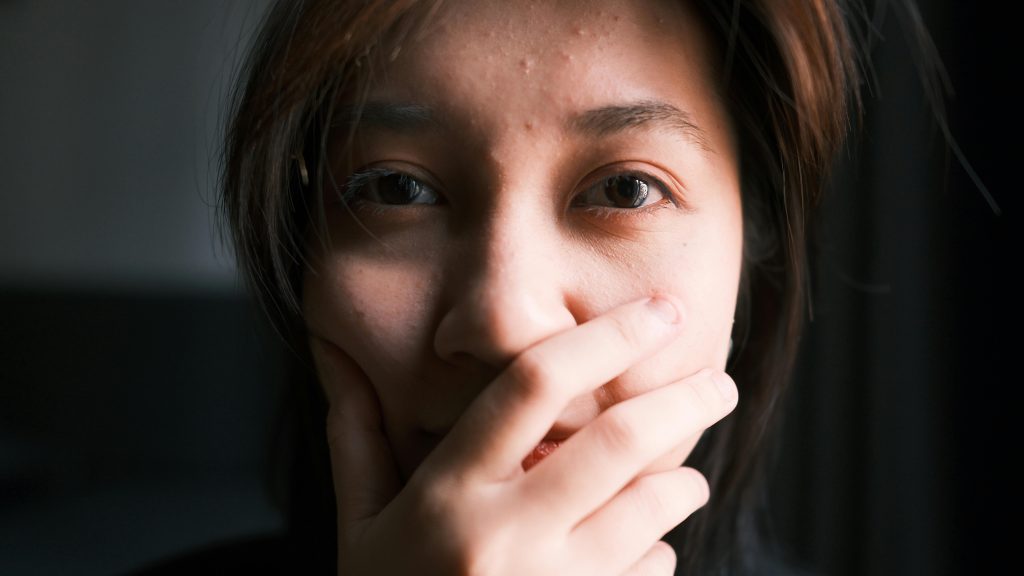
Fungal acne on the forehead is one of the most misunderstood skin conditions today. Many people assume those tiny, itchy bumps are regular forehead acne, but in reality, the issue may be linked to Malassezia yeast growing inside the hair follicles. Unlike acne vulgaris, fungal folliculitis behaves differently and usually does not improve with standard acne products.
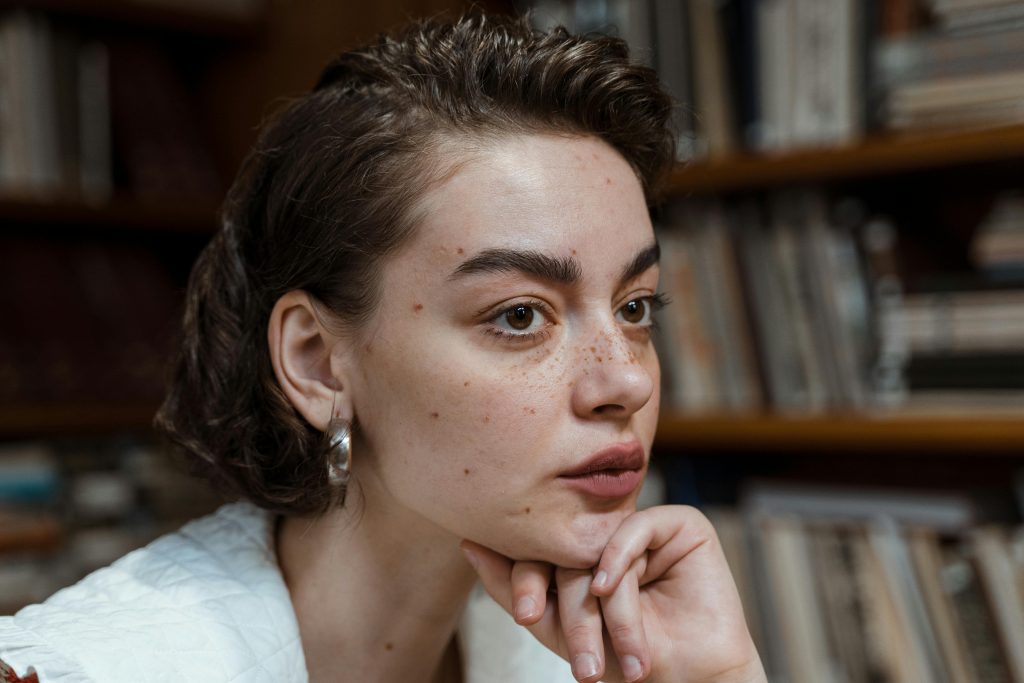
This condition often appears as monomorphic bumps, meaning every bump looks nearly identical. The breakout may spread across the forehead, hairline, chest, or upper back. Many people also notice itchy acne bumps that worsen after sweating or in humid weather.
Understanding the causes of fungal acne and treatment options can help you avoid worsening the condition with the wrong skincare products.
What Is Fungal Acne on the Forehead?
Understanding Pityrosporum Folliculitis
Fungal acne is medically known as pityrosporum folliculitis or Malassezia folliculitis. It develops when Malassezia yeast multiplies excessively inside the pores and causes hair follicle inflammation.
Although this yeast naturally exists on healthy skin, certain triggers can cause yeast overgrowth and irritation.
Common Areas Affected
- Forehead
- Hairline
- Jawline
- Shoulders
- Upper back
Unlike bacterial acne, fungal folliculitis does not create multiple types of pimples. Instead, it forms clusters of similar-looking bumps.
What Does Fungal Acne Look Like?
The condition usually appears as:
- Tiny bumps on forehead
- Small itchy pimples
- Forehead pustules
- Fungal pimples on the forehead
- Acne-like rash around the hairline
- Itchy bumps on the forehead after sweating
Symptoms Often Reported
| Symptom | Common in Fungal Acne |
| Itching | Yes |
| Burning sensation | Sometimes |
| Monomorphic bumps | Yes |
| Whiteheads | Rare |
| Painful cysts | Rare |
One major clue is painful vs itchy acne. Traditional acne tends to hurt, while fungal acne usually itches.
Fungal Acne Vs Regular Forehead Acne
Key Differences Between Fungal Acne and Acne Vulgaris
Many people struggle to identify fungal acne because it resembles acne vulgaris at first glance.
Fungal Acne
- Uniform acne bumps
- Intense itching
- Triggered by sweat and humidity
- No blackheads
- Often appears suddenly
Regular Acne
- Mixed blemishes
- Blackheads and cysts
- Oil-related congestion
- Hormonal flare-ups
If your acne that does not respond to treatment continues spreading despite using acne creams, fungal acne should be considered.
Signs Your Forehead Acne May Be Fungal
- You may have fungal outbreaks on your forehead if you observe:
- Itchy forehead bumps, fungal acne symptoms
- Forehead acne after workouts
- Bumps in hairline
- Upper back acne together with forehead breakouts
- Worsening irritation in hot weather
Fungal acne in humid weather is especially common because excess moisture on the skin encourages yeast growth.
Common Causes of Fungal Acne on Forehead
Antibiotics and Skin Imbalance
One of the biggest triggers is antibiotics, causing fungal acne. Antibiotics reduce healthy skin bacteria, which allows Malassezia yeast to grow uncontrollably.
Risk Factors
- Long-term antibiotic use
- Fungal acne from antibiotics
- Poor skin barrier function
- Weak skin microbiome balance
Sweat and Moisture Buildup
Sweating and fungal acne are strongly connected because yeast thrives in warm environments.
Moisture-Related Triggers
- Humid climate acne
- Heavy sweating
- Tight clothing acne
- Delayed cleansing after exercise
People who exercise frequently may develop fungal acne and hairline bumps due to trapped sweat.
Skincare Products That Can Worsen Fungal Acne
Some oily skincare products create an ideal environment for fungal folliculitis.
Products to Avoid
- Thick oils
- Heavy creams
- Greasy sunscreens
- Occlusive makeup
Improper skincare for fungal acne often worsens breakouts instead of calming them.
Medical Conditions That Increase Risk
Certain health conditions increase the likelihood of skin yeast infection and chronic folliculitis.
Higher Risk Groups
- People with a weakened immune system have acne
- Individuals living in humid regions
- Those with excessive sweating
- People using long-term antibiotics
How Dermatologists Diagnose Fungal Acne
Physical Examination
Dermatologists usually diagnose fungal acne by observing:
- 1-2 mm bumps
- Monomorphic bumps
- Forehead pustules
- Persistent itchy acne bumps
The location and appearance often help distinguish fungal folliculitis from acne vulgaris.
Medical Testing Methods
When needed, dermatologists may use:
- KOH preparation testing
- Skin biopsy for fungal acne
- Microscopic examination of infected follicles
These tests help confirm the presence of excess yeast inside the skin.
Best Dermatologist-Recommended Fungal Acne Treatments
Ketoconazole Shampoo for Fungal Acne
Ketoconazole shampoo is considered one of the most effective fungal acne treatment options available.
Why It Works
- Targets Malassezia yeast directly
- Reduces itching and redness
- Helps clear forehead pustules
- Works as an antifungal wash
How to Use
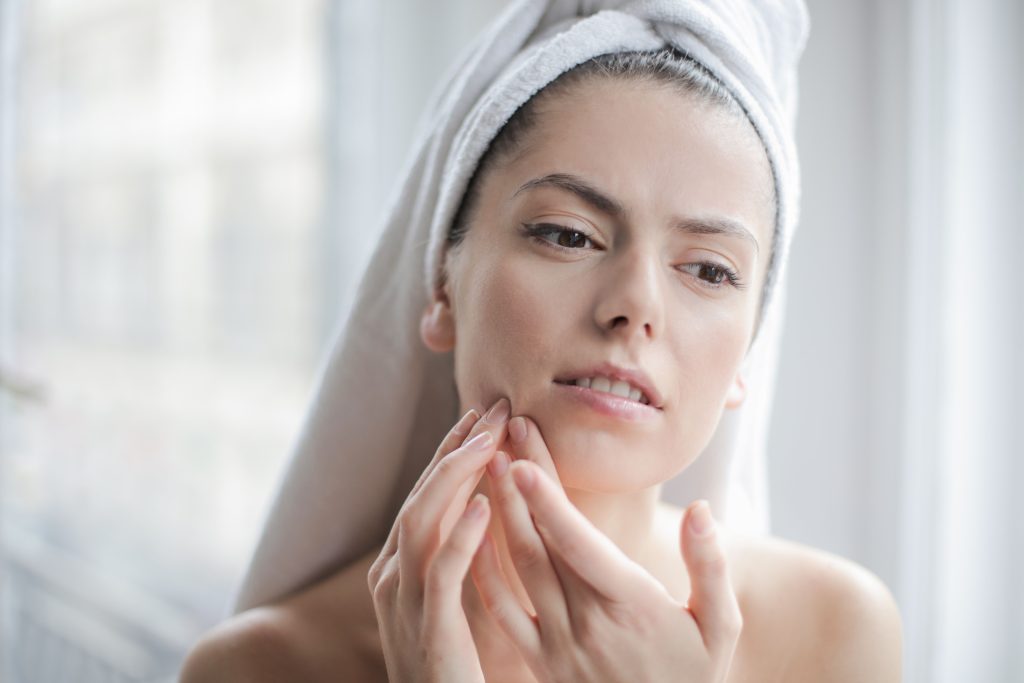
- Apply to damp skin
- Leave for several minutes
- Rinse completely
- Use multiple times weekly
Many dermatologists consider this the best shampoo for fungal acne.
H3: Topical Antifungal Treatments
Topical antifungals help reduce fungal overgrowth on the skin surface.
Common Options
| Treatment | Benefit |
| Clotrimazole | Controls fungal growth |
| Selenium sulfide | Reduces oil and yeast |
| Antifungal cream | Treats localized areas |
| Antifungal shampoo | Cleanses affected skin |
These treatments are often recommended for mild fungal pimples on the forehead.
H3: Oral Antifungal Medications
Severe or recurring fungal acne may require oral antifungals prescribed by a dermatologist.
Prescription Options
- Fluconazole
- Itraconazole
When acne treatment is ineffective for persistent fungal acne, these medications are commonly utilized.
H2: The Best Skincare Program for Forehead Fungal Acne
H3: Morning Routine
A lightweight routine helps reduce irritation without feeding yeast buildup on skin.
Morning Steps
- Gentle cleanser
- Oil-free moisturizer
- Non-greasy sunscreen
- Lightweight hydration
Avoid products containing thick oils or heavy esters.
Night Routine
Nighttime care should focus on reducing fungal growth.
Night Steps
- Cleanse with antifungal wash
- Use ketoconazole shampoo as directed
- Apply topical antifungals
- Keep skin cool and dry
Spot treatments may help reduce forehead pustules overnight.
Selecting the Best Skincare Products for Fungal Acne
Ingredients That May Help
- Zinc PCA
- Sulfur
- Niacin amide
- Lightweight gel moisturizers
Ingredients to Avoid
- Coconut oil
- Heavy fatty acids
- Thick creams
- Occlusive oils
Choosing the correct fungal acne skincare products is essential for long-term control.
How to Prevent Fungal Acne Naturally
Daily Habits That Help
Simple lifestyle changes can prevent fungal acne flare-ups.
Prevention Tips
- Shower after sweating
- Wear breathable clothing
- Control sweat on skin
- Wash workout clothing quickly
- Keep hairline clean
Supporting the Skin Microbiome
A balanced skin microbiome may reduce future irritation.
Helpful Habits
- Probiotics for skin health
- Healthy hydration
- Balanced diet
- Gentle cleansing routines
Long-Term Prevention Strategies
Long-Term Tips
- Avoid overheated skin
- Reduce excess moisture on skin
- Manage fungal acne in humid weather
- Limit heavy skincare layers
Learning how to prevent fungal acne naturally can reduce future breakouts significantly.
When to See a Dermatologist
Signs You Need Medical Help
Consult a dermatologist if you experience:
- Persistent forehead bumps
- Severe itchy acne bumps
- Painful inflammation
- Spreading acne-like rash
- Recurrent fungal folliculitis
Questions to Ask Your Dermatologist
Helpful questions include:
- What is the best antifungal for forehead acne?
- Should I use oral antifungals?
- Which products are safest for fungal acne?
- Is my condition fungal acne or acne vulgaris?
Conclusion
Fungal acne on the forehead is often confused with traditional acne, but the condition requires a completely different approach. Because fungal folliculitis is linked to Malassezia yeast overgrowth, treatments like ketoconazole shampoo, topical antifungals, and proper skincare habits are far more effective than standard acne medications.
Identifying fungal acne early, avoiding oily skincare products, and controlling sweat can help reduce recurring breakouts. With the right dermatologist treatment for fungal acne, most people see major improvement within a few weeks.
FAQs
1. What causes fungal acne on the forehead?
Fungal acne develops when Malassezia yeast multiplies inside hair follicles due to sweat, humidity, antibiotics, or oily skincare products.
2. How can I identify fungal acne?
Fungal acne usually appears as itchy, uniform, tiny bumps on the forehead and often worsens in humid conditions.
3. Does ketoconazole shampoo help fungal acne?
Yes. Ketoconazole shampoo helps reduce yeast overgrowth and is one of the most recommended antifungal treatments.
4. Can sweating make fungal acne worse?
Yes. Sweating and fungal acne are closely related because yeast thrives in warm, moist environments.
5. How long does fungal acne treatment take?
Most mild cases improve within a few weeks when using antifungal treatments consistently and avoiding trigger products.
