
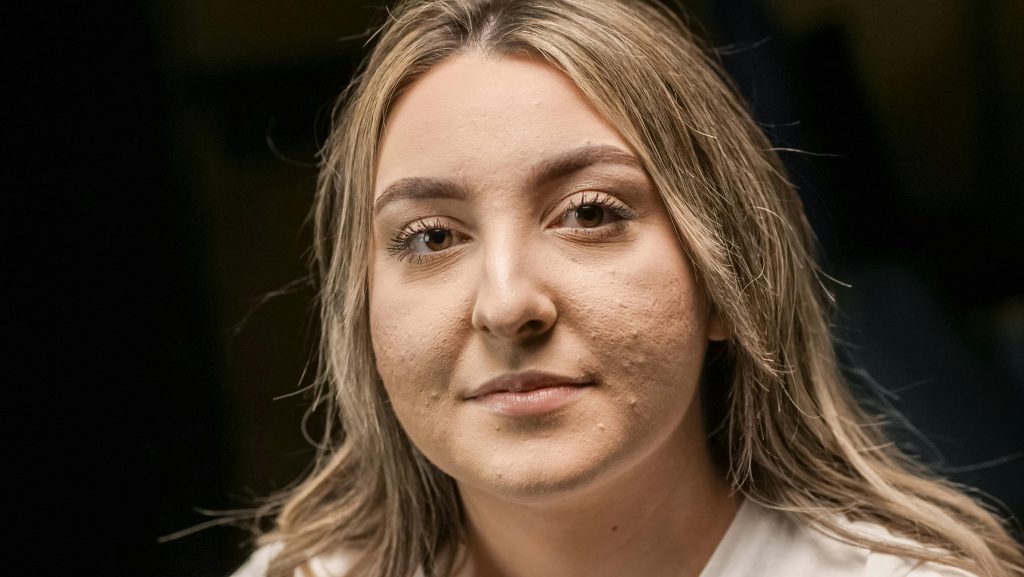
Cystic acne is considered one of the most intense and difficult types of acne to treat. Unlike regular pimples, these painful acne cysts develop deep under the skin and often lead to redness, swelling, and acne scarring. Finding the right cystic acne treatment early can help reduce inflammation, prevent severe breakouts, and improve overall skin health.
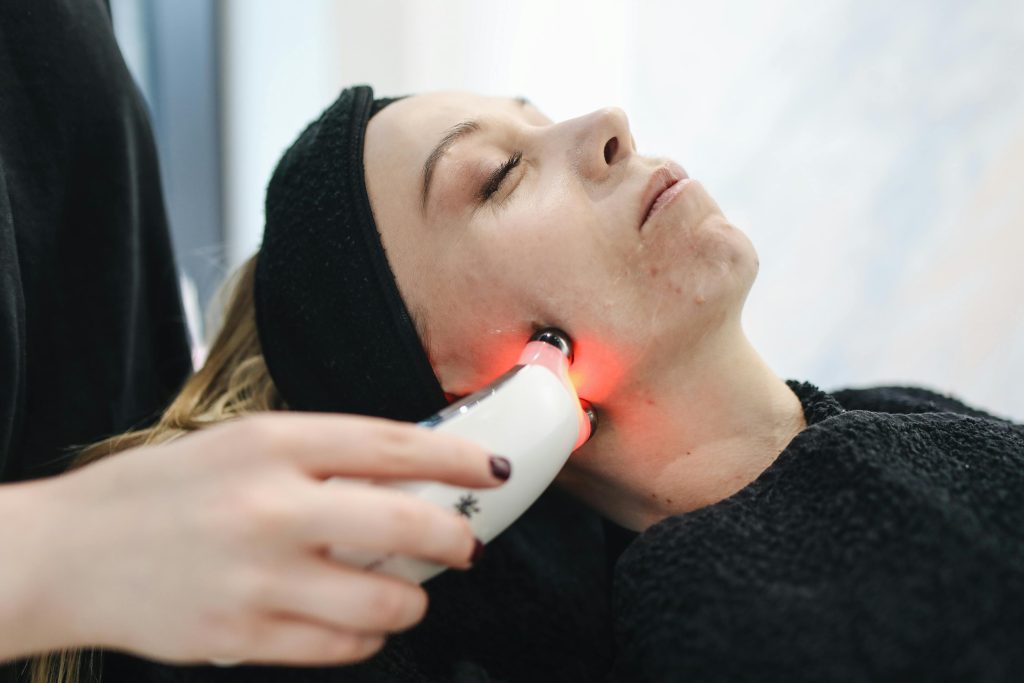
This guide explains the best treatment options for cystic acne, including home remedies, over-the-counter acne products, prescription acne medication, and dermatologist procedures for long-term breakout control.
What Is Cystic Acne?
Cystic acne is a severe acne condition caused by clogged pores, excess oil, bacteria in pores, and dead skin cells. The result is large, inflamed, fluid-filled cysts that develop deep beneath the skin surface.
Understanding Deep and Painful Acne
Common features of cystic acne include:
- Deep acne beneath the skin
- Painful cystic acne bumps
- Red swollen pimples
- Inflamed skin cysts
- Swollen acne lesions
- Persistent acne flare-ups
These acne cysts often heal slowly and may leave permanent acne scars if untreated.
Common Areas Where Cystic Acne Appears
Cystic acne commonly affects:
| Area | Why It Happens |
| Face | Excess oil production and clogged skin pores |
| Jawline | Hormonal acne fluctuations |
| Back & Shoulders | Excess sweat, trapped bacteria, and too much oil on the skin can trigger breakouts. |
Main Causes of Cystic Acne
Several factors contribute to severe acne and deep under skin acne.
Hormonal Acne and Hormonal Changes
Hormones increase oil production, which can trigger clogged pores and skin inflammation.
Common hormonal triggers include:
- Teenage acne
- Menstruation acne
- Acne during pregnancy
- Menopause acne
- Hormonal imbalance acne
People with a family history acne condition may also develop severe hormonal acne treatment needs later in life.
Lifestyle Habits That Make Acne Worse
Certain habits can worsen acne flare-ups:
- Stress and acne are closely connected
- Dirty pillowcases increase bacteria buildup and acne
- Picking pimples damages the healthy skin barrier
- Harsh skincare products cause skin irritation
Best Home Remedies for Cystic Acne
Home remedies may help reduce acne inflammation and soothe painful breakouts.
Warm Compress and Ice Pack for Acne
A warm compress for acne may encourage natural drainage, while an ice pack for acne can reduce acne swelling and discomfort.
How to Use:
- Apply a warm compress for 10 minutes
- Use ice wrapped in a cloth for swelling
- Repeat 2-3 times daily
These methods support natural acne treatment and skin healing.
Gentle Skincare for Acne-Prone Skin
Choose skincare products designed for acne-prone skin:
- Fragrance-free cleanser
- Non-comedogenic cleanser
- Gentle cleansing products
- Lightweight moisturizers
A consistent skincare routine for cystic acne helps maintain skin barrier repair and breakout control.
Over-the-Counter Cystic Acne Treatment Options
Many OTC acne products can improve mild to moderate cystic acne.
Best Ingredients for Severe Acne
Benzoyl Peroxide
Benzoyl peroxide is a bacteria-killing acne treatment that reduces inflammation and removes acne-causing bacteria.
Salicylic Acid
Salicylic acid works as a pore-clogging treatment by clearing oil and dead skin cells from pores.
Alpha Hydroxyl Acids
Alpha hydroxyl acids support acne exfoliation and improve skin texture.
Best OTC Acne Products
Popular over-the-counter acne treatment products include:
- Acne creams
- Acne gels
- Acne face wash
- Acne cleansing pads
These products work best when used consistently as part of an acne skincare routine.
Prescription Treatment for Cystic Acne
Severe or persistent acne often requires medical treatment for acne.
When to See a Dermatologist
You should consider dermatologist acne treatment if you have:
- Severe breakouts
- Painful acne cysts
- Acne scarring
- Deep acne that does not improve with OTC products
A dermatologist recommended acne treatment plan may prevent long-term skin damage.
Prescription Acne Medication Options
Doctors may prescribe:
| Treatment | Purpose |
| Prescription topical creams | Reduce inflammation |
| Oral acne medication | Control bacteria and oil |
| Acne prescription medicine | Treat severe hormonal acne |
Always follow acne medication guidance carefully to avoid medication side effects.
Professional Acne Therapy and Clinical Treatments
Some severe acne solutions require clinical acne treatment.
Cortisone Injections and Acne Drainage
Dermatologist procedures may include:
- Cortisone injections for acne
- Acne drainage procedure
- Professional extraction methods
These treatments help reduce painful cystic acne quickly.
Laser Therapy and Light Therapy for Acne
Laser therapy for acne and light therapy for acne help reduce:
- Skin inflammation
- Acne-causing bacteria
- Acne scars
- Persistent acne
These advanced acne therapy options are often recommended for severe acne cases.
Best Skincare Routine for Cystic Acne-Prone Skin
A proper skincare routine supports clear skin treatment and prevents future breakouts.
Daily Acne Skincare Routine
Morning Routine
- Gentle cleanser
- Lightweight moisturizer
- Sunscreen
Evening Routine
- Acne face wash
- Treatment serum
- Non-comedogenic moisturizer
Consistent acne skincare improves healthy skin and supports skin healing.
Best Acne Products for Oily and Sensitive Skin
Look for skin care products labeled:
- Oil-free
- Fragrance-free
- Non-comedogenic
- Acne treatment for sensitive skin
These products reduce skin irritation and support breakout control.
How to Prevent Cystic Acne Naturally
Preventing cystic acne requires consistency and healthy habits.
H3: Acne Prevention Tips
- Avoid popping pimples
- Wash pillowcases regularly
- Manage stress levels
- Follow a skincare routine daily
- Use acne products for oily skin carefully
These acne prevention tips help prevent cystic acne and future acne flare-ups.
Preventing Acne Scars and Skin Damage
To reduce acne scarring:
- Treat acne early
- Avoid squeezing cysts
- Use sunscreen daily
- Keep skin moisturized
Early treatment improves acne scar prevention and reduces long-term skin damage.
OTC vs Prescription Cystic Acne Treatment
| OTC Acne Products | Prescription Treatment for Cystic Acne |
| Best for mild acne | Best for severe acne |
| Available without prescription | Requires medical supervision |
| Includes acne creams and gels | Includes oral acne medication |
| Lower strength ingredients | Stronger active ingredients |
Choosing the best treatment for cystic acne depends on skin type, acne severity, and treatment goals.
Final Thoughts on Treating Cystic Acne Fast
Cystic acne can be painful, frustrating, and difficult to manage without the right care. Combining effective acne treatment, healthy skincare habits, and professional support can improve skin health and reduce future breakouts.
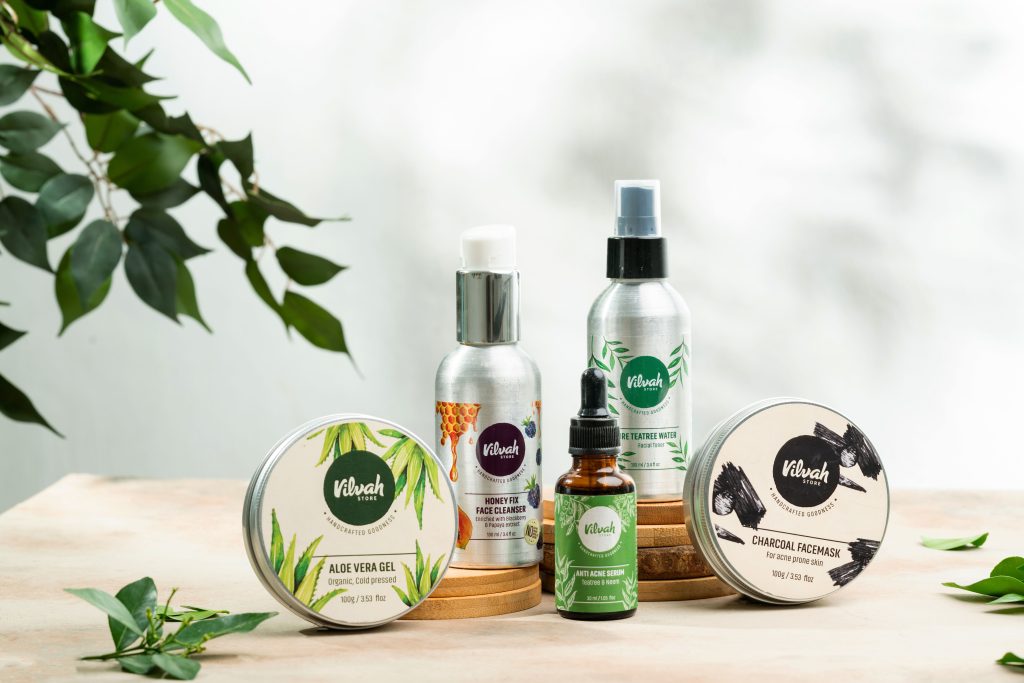
Whether you choose home remedies for cystic acne, OTC acne products, or prescription acne treatment, consistency is the key to achieving clearer, healthier skin.
FAQs
What is the best cystic acne treatment for fast results?
Prescription acne treatment combined with benzoyl peroxide or salicylic acid often delivers the fastest results for severe cystic acne.
Can cystic acne go away naturally?
Mild acne flare-ups may improve naturally, but persistent acne usually requires proper acne treatment to prevent acne scars.
How do dermatologists treat severe cystic acne?
Dermatologists use oral acne medication, prescription topical creams, cortisone injections, and laser therapy for acne.
Which ingredients work best for cystic acne?
Benzoyl peroxide, salicylic acid, and alpha-hydroxy acids are commonly used in effective acne treatment products.
How can I prevent cystic acne breakouts?
A gentle skincare routine, stress management, clean pillowcases, and non-comedogenic skin care products can help prevent cystic acne naturally.
