
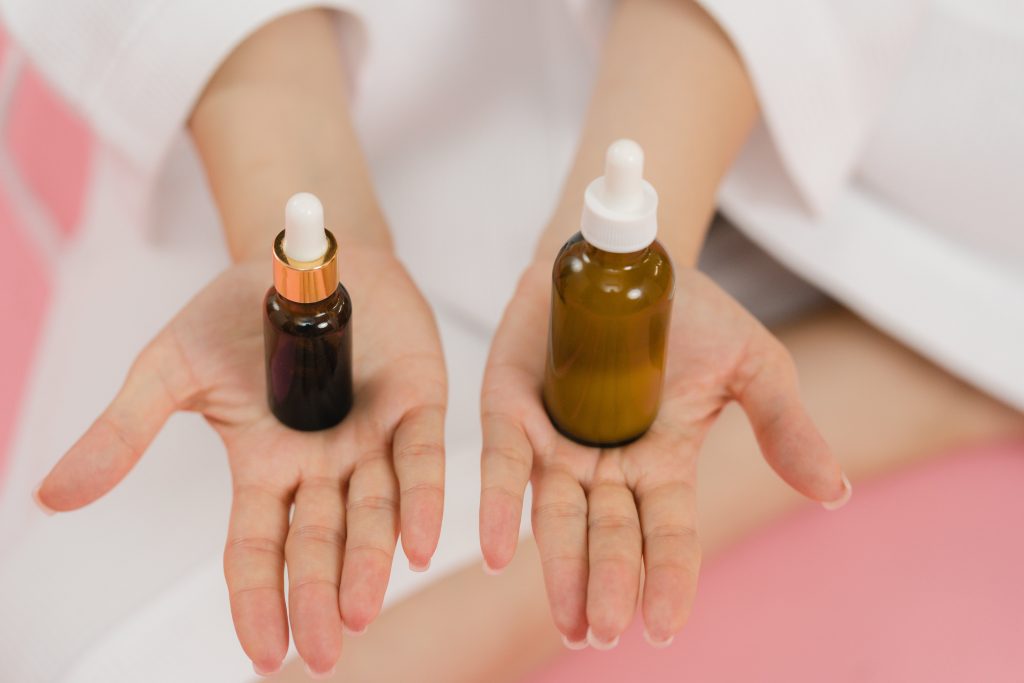
Choosing between tretinoin and retinol can feel confusing, especially when both ingredients promise clearer and younger-looking skin. These powerful retinoids are widely used in modern anti-aging skincare because they improve skin texture, reduce acne, and support long-term skin renewal.
Although they belong to the same vitamin A skincare family, Tretinoin and retinol work differently. One is stronger and prescription-based, while the other is gentler and beginner-friendly. Understanding these differences can help you choose the right product for your skin concerns and daily skincare routine.

What Are Retinoids and Why Are They Important for Skin?
How Retinoids Work on the Skin
Retinoids are vitamin A derivative that improve skin function at a deeper level. Once absorbed, they encourage faster skin cell turnover, helping the skin replace old cells with fresh ones.
The active form, known as retinoic acid, supports:
- Cell regeneration
- Skin renewal
- Pore unclogging
- Smoother skin texture
- Reduction of clogged pores
This process is especially useful for acne-prone skin and uneven skin tone.
Benefits of Retinoid for Acne and Anti-Aging
Retinoid are popular because they target several skin concerns at once.
Main Benefits:
- Increase collagen production
- Improve skin elasticity
- Support firmer skin
- Help reduce fine lines and wrinkles
- Improve overall skin texture
- Brighten dull skin
- Support healthier skin
- Prevent visible signs of aging
Consistent use often leads to smoother and more radiant skin over time.
What Is Tretinoin? Benefits, Uses, and Side Effects
What Makes Tretinoin Different?
Tretinoin is a prescription-strength retinoid commonly used in dermatology treatments. It is also called all-trans retinoic acid and sold under names like Retina-A and Trevin-X.
Unlike retinol, Tretinoin works directly on the skin without needing conversion. This is why it is considered stronger and faster acting.
Tretinoin Is Commonly Used for:
| Skin Concern | Benefit |
| Severe acne | Faster clearing |
| Wrinkles | Improved texture |
| Hyperpigmentation | Skin brightening |
| Photo aging | Firmer appearance |
Tretinoin for Acne Treatment
Tretinoin for acne is one of the most effective dermatologist-recommended treatments for stubborn breakouts.
It helps by:
- Preventing clogged pores
- Reducing comedowns
- Increasing cell turnover for acne
- Supporting acne-clearing treatment
- Improving acne scars
People with persistent acne or oily, acne-prone skin often see visible improvement after consistent use.
Tretinoin for Wrinkles and Hyperpigmentation
Tretinoin is also widely used for visible aging signs.
Benefits Include:
- Softening deep wrinkles
- Improving photo aging
- Fading dark spots
- Reducing hyperpigmentation
- Supporting skin resurfacing
- Improving uneven skin tone
Because it stimulates collagen production deeply, many users notice firmer and smoother skin after several weeks.
Tretinoin Side Effects and Risks
Since Tretinoin is powerful, irritation is common during the adjustment period.
Common Side Effects:
- Tretinoin peeling
- Dryness
- Tretinoin redness
- Skin sensitivity
- Mild burning or irritation
Using moisturizer regularly and starting slowly can reduce irritation from retinoid.
Tretinoin Results and Timeline
Many users begin seeing visible changes within 6 to 10 weeks.
Tretinoin Results May Include:
- Reduced acne breakouts
- Smoother skin
- Fewer wrinkles
- Brighter complexion
- Better skin texture
Long-term use may also improve skin firmness and elasticity.
What Is Retinol? Benefits, Uses, and Side Effects
Understanding Over-the-Counter Retinol
Retinol is a gentler retinoid found in many over-the-counter skincare products. Before working on the skin, it must convert into retinoic acid.
This slower conversion process makes retinol less irritating and better suited for beginners.
Common Retinol Products:
- Retinol serum
- Retinol cream
- Night repair treatments
- Anti-aging moisturizers
Retinol Benefits for Beginners
Retinol is a good starting point for people new to retinoid.
Main Retinol Benefits:
- Mild acne treatment
- Improved skin texture
- Reduction in fine lines
- Brighter skin tone
- Gentle anti-aging support
Many skincare specialists recommend retinol for sensitive skin because it works more gradually.
Best Retinol Products and Formulations
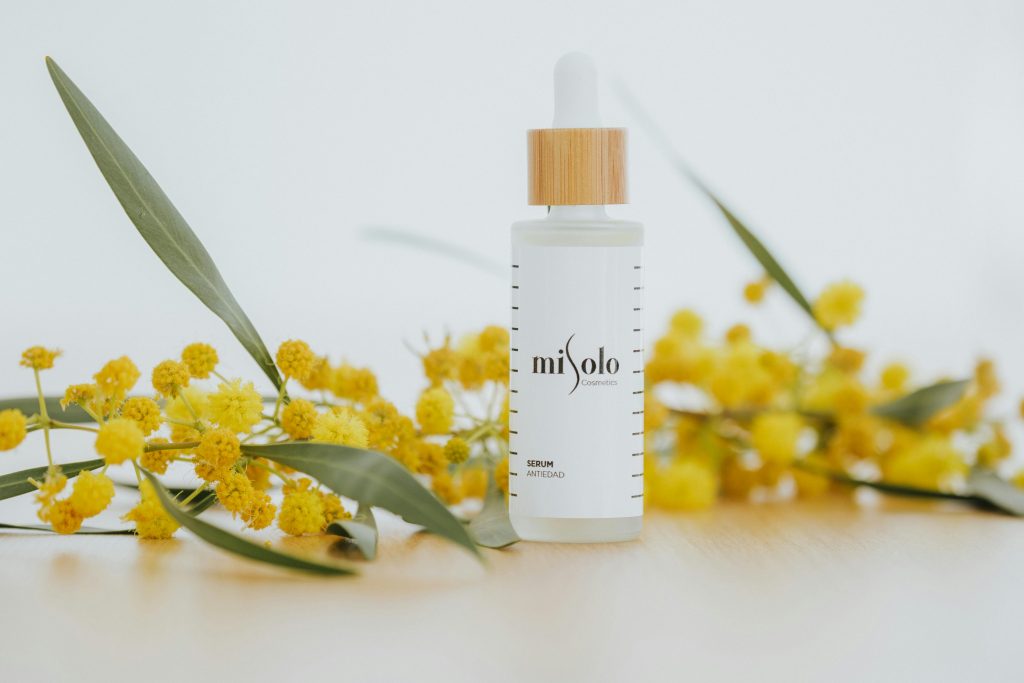
Retinol products come in different strengths and textures.
| Product Type | Ideal For |
| Retinol serum | Oily skin |
| Retinol cream | Dry skin |
| Low concentration | Beginners |
| Higher concentration | Experienced users |
Choosing the right retinol concentration helps reduce irritation and improve skin tolerance.
Retinol Side Effects
Although milder than Tretinoin, retinol may still cause temporary dryness or peeling.
Common Retinol Side Effects:
- Peeling skin
- Mild redness
- Dry patches
- Temporary sensitivity
Starting slowly helps the skin adapt more comfortably.
Tretinoin vs Retinol – Which One Works Better?
Difference Between Tretinoin and Retinol
The main difference between Tretinoin and retinol is potency.
| Feature | Tretinoin | Retinol |
| Strength | Stronger | Gentler |
| Availability | Prescription | Over the counter |
| Speed | Faster results | Slower results |
| Irritation Risk | Higher | Lower |
Tretinoin delivers quicker results, while retinol offers a milder experience.
Tretinoin vs Retinol for Acne
For severe acne, Tretinoin is generally more effective because it targets clogged pores aggressively.
Best Choice:
- Severe acne → Tretinoin
- Mild acne → Retinol
- Acne scars → Tretinoin
- Sensitive skin → Retinol
Tretinoin vs Retinol for Wrinkles
When comparing wrinkle reduction, Tretinoin usually improves collagen stimulation more quickly.
Retinol still helps:
- Fine lines
- Early aging signs
- Skin texture improvement
- Skin elasticity support
However, visible results may take longer.
Tretinoin vs Retinol for Anti-Aging
Both retinoid improve photo aging and skin renewal.
Tretinoin Is Better for:
- Deep wrinkles
- Rapid skincare results
- Significant skin resurfacing
Retinol Is Better for:
- Beginners
- Mild aging signs
- Sensitive skin routines
Tretinoin or Retinol – Which Should You Choose?
Your choice depends on your skin goals.
Choose Tretinoin if you want:
- Strong acne treatment
- Faster anti-aging effects
- Better hyperpigmentation correction
Choose retinol if you want:
- A gentle retinoid
- Lower irritation
- Easier daily use
- Beginner-friendly skincare
A healthcare provider or dermatologist can recommend the best retinoid for your skin type.
Best Retinoid for Sensitive Skin
Can Sensitive Skin Use Tretinoin?
Sensitive skin users can still use Tretinoin carefully under medical supervision. Lower strengths and gradual application help reduce irritation.
Why Retinol Is Better for Beginners and Sensitive Skin
Retinol is usually easier for beginners because it builds skin tolerance slowly.
Helpful Tips:
- Use 2-3 nights’ weekly
- Pair with moisturizer
- Avoid harsh exfoliates
- Wear sunscreen daily
This gradual approach reduces redness and peeling.
How to Use Tretinoin and Retinol Correctly
How to Use Tretinoin Safely
Simple Tretinoin Tips:
- Apply Tretinoin at night
- Use a pea-sized amount
- Start with lower strength
- Moisturize consistently
- Always use sunscree How to Use Retinol in Your Skincare Routine
A beginner-friendly retinol skincare routine includes:
- Gentle cleanser
- Retinol serum or cream
- Moisturizer
- Sunscreen the next morning
A proper nighttime skincare routine helps reduce irritation and improve results.
Dermatologists often recommend:
- Consistent use
- Daily sunscreen
- Gradual retinoid introduction
- Avoiding over-exfoliation
- Following professional skincare advice
Dermatologist Recommended Retinoid Tips
These habits improve long-term results safely.
Final Verdict on Tretinoin vs Retinol
Both Tretinoin and retinol can improve acne, wrinkles, and uneven texture, but the right choice depends on your skin type and goals.
Tretinoin is best for:
- Severe acne
- Deep wrinkles
- Faster results
Retinol is best for:

- Sensitive skin
- Beginners
- Mild anti-aging concerns
With patience and consistent use, both retinoid can support healthier, smoother, and younger-looking skin.
FAQs
1. What is the difference between Tretinoin and retinol?
Tretinoin is a prescription-strength retinoid that works faster, while retinol is milder and available over the counter.
2. Is Tretinoin better than retinol for acne?
Yes, Tretinoin is generally more effective for severe or persistent acne because it increases cell turnover more aggressively.
3. Can beginners use retinol first?
Yes. Retinol is ideal for beginners because it causes less irritation and helps build skin tolerance gradually.
4. How long does Tretinoin take to work?
Most people notice improvements in acne and skin texture within 6-12 weeks of regular use.
5. Which retinoid is best for wrinkles?
Tretinoin usually works faster for deep wrinkles, while retinol is better for early aging signs and sensitive skin.
