
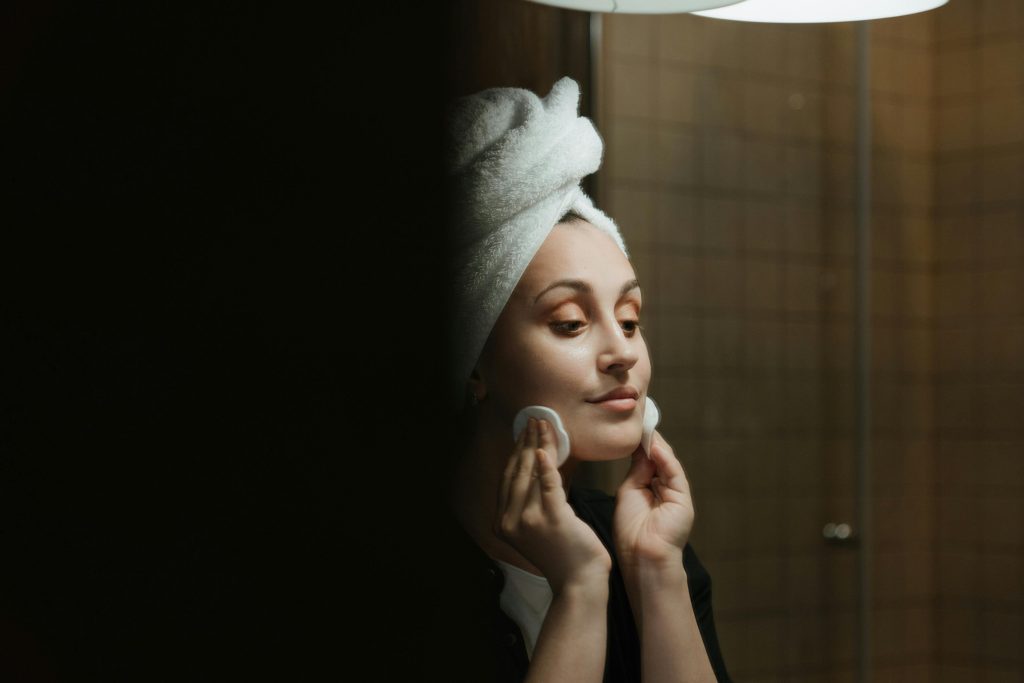
If you have ever woken up feeling like your face is a magnet for dust and lint, you are likely dealing with the classic morning oil slick. It is a frustrating cycle: you spend your evening trying to get your face as clean as possible, only to wake up at 7:00 AM with pores that seem to have gone into overdrive while you slept. This constant battle with shine can make it feel like your skin is working against you, but the truth is, your skin is likely just trying to protect itself.
The mistake most people make is treating oily skin like an enemy that needs to be scrubbed away with harsh, stripping chemicals. In reality, managing sebum is all about a delicate balance of hydration and regulation. Since your skin enters a high-intensity repair mode at night, your evening regimen is your best opportunity to address oil production at the source. By the end of this guide, you will know exactly how to build a routine that keeps your skin clear, matte, and healthy.
Why Your Night Routine is Critical for Sebum Control
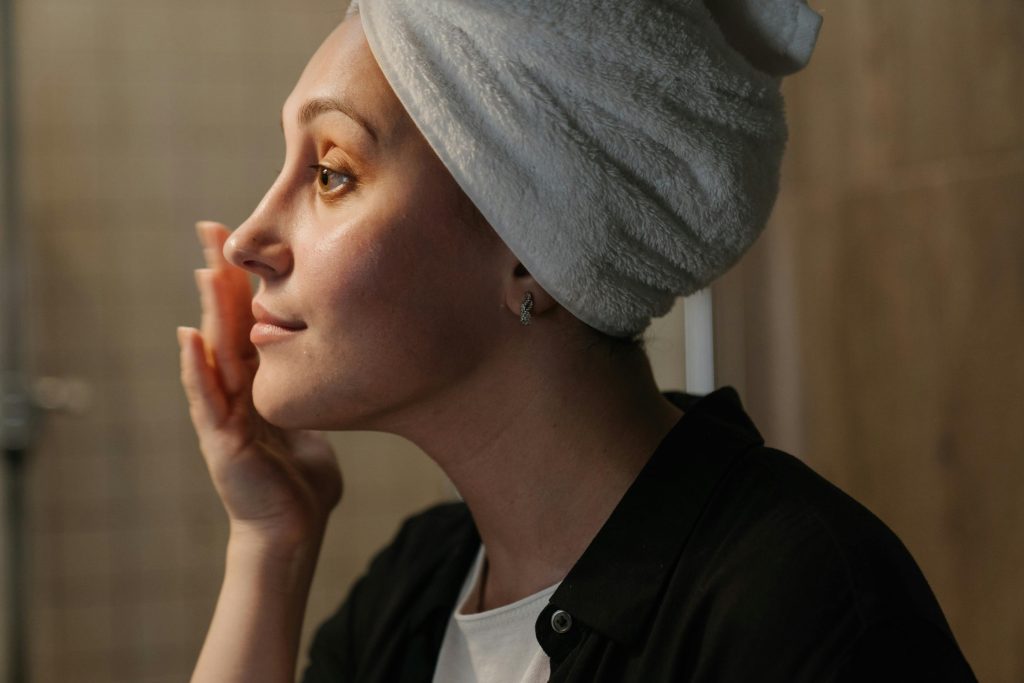
While your morning products focus on shielding you from the sun and environmental pollution, your oily skin night routine is where the real restorative work happens. During sleep, your skin’s temperature rises slightly, and its permeability increases. This means it absorbs active ingredients more deeply than it does during the day, but it also means it loses moisture faster-a process known as trans epidermal water loss.
When oily skin loses moisture, it panics. It assumes the skin barrier is failing and reacts by pumping out more oil to seal things up and protect itself. This is why you might wake up greasy even if you didn’t use a heavy cream the night before. By using the right nighttime strategy, you can convince your sebaceous glands to stay calm, leading to smaller-looking pores and a clearer complexion over time.
Step-by-Step: The Perfect Evening Regimen for Oily Skin
Building a high-performance routine doesn’t mean you need twenty different bottles. It means you need the right products used in the right order. Here is the professional blueprint for success.
1. The Essential Double Cleanse
It sounds like a paradox to put oil on an oily face, but this is the most effective way to truly clean your skin. Think of it as a pre-wash. Most long-wear foundations, silicone-based primers, and mineral sunscreens are lipophilic (oil-soluble), meaning a standard foaming wash often leaves a film behind.
- The First Step: Apply a lightweight cleansing balm or oil to dry skin. Massage it in for one minute. This breaks down the day’s grime and oxidized sebum.
- The Second Step: Rinse with lukewarm water and follow up with a water-based gel cleanser. This ensures every trace of debris is gone, leaving your skin perfectly prepped for the next steps.
2. Strategic Toning and pH Balancing
Forget the old-fashioned toners that felt like rubbing alcohol and left your skin stinging. For oily skin, you want a toner that acts as a liquid exfoliate or a pH balancer to reset the skin’s acidic environment.
- The Ingredients: Look for a formula containing Salicylic Acid (BHA). Unlike other acids, BHA is oil-soluble, which allows it to travel deep into the pore to clear out the sludge of dead skin and oil.
- The Benefit: It keeps the drainage system of your skin clear so that oil can flow freely to the surface rather than getting trapped and forming a painful blemish or a blackhead.
3. The Power of Serums (The Treatment Phase)
This is where you use high-concentration ingredients to communicate with your cells. If you want to change how your skin behaves, this is the step to focus on.
- Niacin amide (Vitamin B3): This is a superstar for oil control. It strengthens the skin barrier and visibly shrinks the look of stretched-out pores by keeping them clean and elastic.
- Retinoid: Retinol or its stronger counterparts are game-changers for oily skin. They speed up cell renewal, ensuring that dead skin cells don’t hang around long enough to cause congestion.
4. Weightless Hydration (Moisturizing)
One of the most common misconceptions in skincare is that moisturizer is unnecessary for oily skin. If you leave your skin naked at night, you’re practically inviting an oil spike. The goal is to provide hydration (water) without adding heavy lipids (fats).
- Texture Matters: Stick to water creams or oil-free gels. These feel weightless and absorb almost instantly.
- Key Actives: Look for Hyaluronic Acid for plumpness and Ceramides to ensure your skin barrier stays intact, preventing that dehydrated but greasy feeling.
Identifying Ingredients: The Good and The Clogging
It can be difficult to navigate the skincare section. You must become an ingredient investigator if you want to maintain the efficacy of your oily skin night routine. Labels can be misleading, so always check the actual list on the back of the packaging.
The Yes List: Ingredients Your Skin Loves
- The best option for thorough pore cleaning is salicylic acid.
- Zinc PCA: A natural mineral that reduces redness and helps control the shine factor.
- Lactic Acid: A mild exfoliate that brightens the skin while helping it hold onto moisture.
- Tea Tree Oil: A natural antiseptic that helps manage bacteria without the side effects of harsh medication.
The No List: Potential Pore-Loggers
- Coconut Oil: Extremely high on the comedogenic scale; it is a recipe for disaster for oily skin.
- Cocoa butter and lanolin are great for dry skin, but they are frequently too rich for oily skin types, which causes whiteheads.
- Harsh Sulfates: If your cleanser leaves your face feeling squeaky or tight, it’s too harsh. That tightness is actually your skin barrier being stripped away.
Weekly Maintenance: The Sunday Reset Protocol
Your daily routine provides the foundation, but once or twice a week, your skin benefits from a more intensive deep clean. Think of this as a professional detailing for your face.
- The 10-Minute Clay Mask: Use a mask containing Kaolin or Bentonite clay. These clays act like a magnet for deep-seated impurities. However, the secret is to rinse them off before they get completely dry and itchy. If the mask cracks, it has been on too long and is now pulling moisture out of your skin.
- The Gentle Chemical Peel: Once a week, replace your nightly toner with a slightly stronger AHA/BHA liquid peel. This sloughs off the weeks’ worth of dead skin cells, giving you a fresh canvas for the week ahead and ensuring your serums can penetrate even better.
Common Mistakes That Sabotage Your Progress
Even the most expensive products won’t work if your daily habits are working against you. Are you accidentally making your skin oilier?
- Using Water That’s Too Hot: Hot water triggers inflammation and can cause your sebaceous glands to overreact. Always use lukewarm or room temperature water to keep the skin calm.
- The Scrubbing Fallacy: You cannot scrub away oiliness. Aggressively using physical scrubs (the ones with beads or seeds) creates micro-tears in the skin. These tears become breeding grounds for bacteria and more oil.
- Ignoring Your Hair: If you have oily hair, the oils transfer to your pillow and then back to your face. Keep your hair tied back at night and change your pillowcase every 2-3 days.
- Over-using Actives: It is tempting to use Salicylic Acid, Retinol, and Benzoyl Peroxide all at once. Don’t! This will destroy your skin barrier, leading to redness, peeling, and more oil.
- Inconsistency: Skincare is like the gym; it is the daily effort that transforms your skin. You cannot do a five-step routine once a week and expect your pores to change.
Lifestyle Factors: Supporting Your Skin from Within
While a topical oily skin night routine is essential, your skin is an organ that reacts to your internal environment. Here is how to support your routine through lifestyle choices:
- Hydration: Throughout the day, sip on lots of water. While it doesn’t flush oil away, it keeps your skin cells healthy and less likely to trigger a dehydration-oil response.
- Stress Management: High stress increases cortisol, which is directly linked to increased sebum production. A few minutes of deep breathing or reading before bed can actually help your skin stay clear.
- Clean Tools: Ensure your phone screen and glasses-anything that touches your face-are cleaned regularly. These are often hidden sources of bacteria that contribute to nighttime breakouts.
Conclusion
Living with oily skin can feel like a constant battle against shine, but there is a major silver lining: oily skin actually tends to age more slowly! Those natural lipids that cause a midday shine also keep your skin supple, maintain elasticity, and minimize the appearance of fine lines as you get older.
FAQs
1. Why does my skin feel oilier in the morning after I use a moisturizer at night?
This usually happens for two reasons: either the moisturizer is too heavy (occlusive) for your skin type, or your skin is dehydrated. When you use a rich cream, it can sit on the surface and mix with your natural sebum. Conversely, if your skin is thirsty, it produces more oil to compensate. Switching to a lightweight, oil-free gel moisturizer usually solves this problem.
2. Is it safe to use Salicylic Acid and Retinol in the same night routine?
While both are excellent for oily skin, using them together can be too aggressive for some. It can lead to a damaged skin barrier, causing redness and peeling. If you are a beginner, try using Salicylic Acid in the morning and Retinol at night, or alternate nights for each active ingredient to give your skin a break.
3. Can I skip the morning cleanse if I did a deep double cleanse at night?
For very oily skin types, a morning cleanse is still recommended. Your skin produces oil and sheds dead skin cells while you sleep. However, you don’t need to double cleanse again in the morning-a gentle, water-based cleanser or even a quick rinse with lukewarm water is often enough to refresh your face.
4. How long does it take to see results from a new oily skin routine?
Skincare requires patience. It typically takes about 4 to 6 weeks to see a noticeable change in oil production and skin texture. This is because your skin cells take roughly 28 days to fully turn over. Give your new routine at least a month before deciding if it’s working for you.
5. Will using a face oil make my oily skin even worse?
Not necessarily! Certain oils, like Jojoba or Rosehip oil, are high in linoleic acid, which oily skin often lacks. These dry oils can actually help balance your sebum and trick your skin into producing less oil. However, always avoid heavy oils like coconut or olive oil, as these are highly likely to clog your pores.
6. Does drinking more water really help reduce skin oiliness?
While drinking water won’t wash away the oil, it is essential for keeping your skin cells hydrated. Dehydrated skin often triggers an overproduction of oil to protect itself. By staying hydrated internally, you help maintain the water-to-oil balance of your complexion, making your topical products more effective.
7. Should I use a separate eye cream if I have oily skin?
Many people with oily skin find that rich eye creams cause milieu (tiny white bumps) around the eyes. If your regular gel moisturizer is fragrance-free and gentle, you can often use it around the eye area. If you prefer a dedicated product, look for an eye gel rather than a heavy cream.
8. Why is my skin still oily even after I use an alcohol-based toner?
Alcohol-based toners provide a temporary matte feeling by evaporating the oil on the surface. However, this stripping effect damages your skin barrier. Your skin reacts to this sudden dryness by producing a massive rebound of oil to repair itself, leaving you oilier than you were before.
9. Can my diet affect how much oil my skin produces at night?
Yes, for some individuals, high-glycemic foods (like white bread, sugary snacks, and soda) can cause a spike in insulin. High insulin levels are linked to increased sebum production. If you notice a flare-up after a high-sugar day, your diet might be playing a role in your skin’s behavior.
10. What is the best way to treat a blind pimple that feels painful under the skin?
Do not try to squeeze it! This will only cause inflammation and potential scarring. Instead, apply a warm compress for a few minutes to encourage it to come to a head, or use a hydrocolloid pimple patch overnight. These patches help draw out impurities and prevent you from picking at the spot while you sleep.
