

Ever feel like you could strike oil on your forehead by 2:00 PM? If you’ve ever looked in the mirror halfway through a workday and seen a reflection that looks more greased lightning than dewy goddess, you aren’t alone.
Living with oily skin can feel like a constant battle against a persistent midday slick, enlarged pores, and makeup that refuses to stay where you put it. But here is the plot twist: oil isn’t actually the villain. In fact, that slick substance, scientifically known as sebum, is your skin’s way of keeping itself waterproof, protected, and youthful. The trick isn’t to dry your skin out until it’s like a desert; it’s about finding that sweet spot where your skin is hydrated but not greasy.
In this deep dive, we’re going to break down exactly what oily skin is, why your genetics might be playing tricks on you, and how you can turn that oil slick into a healthy, manageable glow.
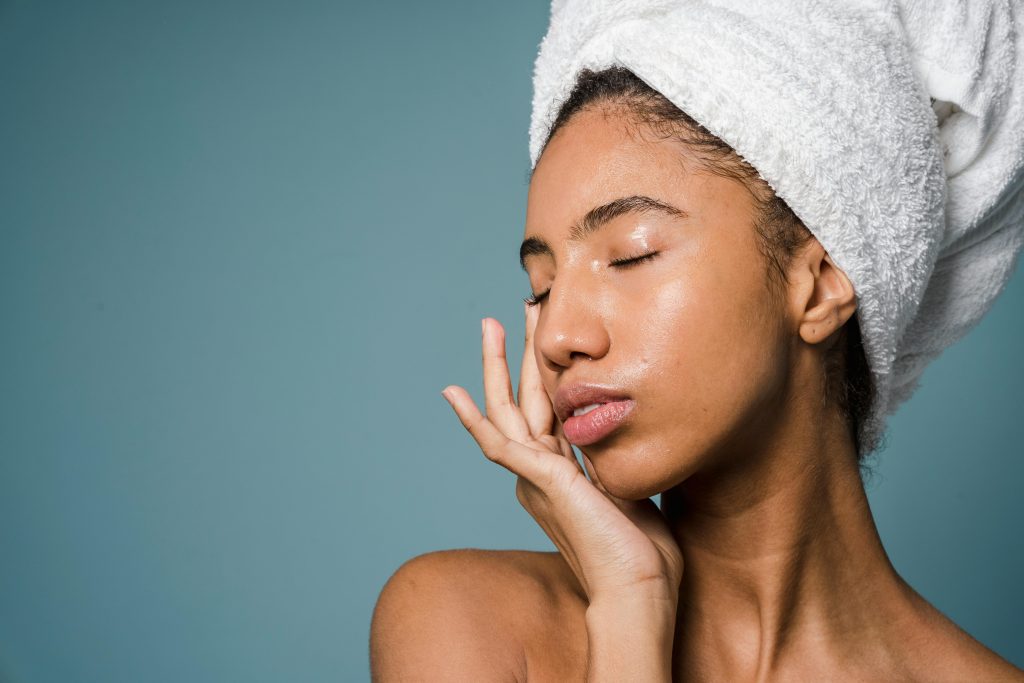
Understanding the Basics: What Is Oily Skin, Really?
To understand oily skin, we have to go beneath the surface-literally. Your skin is home to thousands of tiny factories called sebaceous glands. These glands are located just under the skin’s surface, and their primary job is to produce sebum.
Sebum is a complex mixture of fats (lipids), wax, and sweat. In a perfect world, sebum is your skin’s best friend. It coats your skin to prevent moisture loss and acts as a shield against environmental stressors like pollution and wind. However, for those with an oily skin type, these glands are essentially overachievers. They produce more sebum than your skin actually needs, leading to that characteristic heavy, sticky, or shiny feeling.
The Tell-Tale Signs You Have Oily Skin
Not sure if you’re actually oily or just experiencing a humid afternoon? Check for these common indicators:
- Persistent Shine: Your face looks shiny shortly after washing it, even if you haven’t been exercising.
- Large, Visible Pores: Because the glands are working overtime, pores often look stretched or more prominent, especially on the nose and cheeks.
- The Makeup Slide: Your foundation or concealer seems to melt off, oxidizes (turns orange), or disappears by lunchtime.
- Frequent Breakouts: Excess oil often acts like glue for dead skin cells, which can clog pores and lead to blackheads, whiteheads, and pimples.
- Thicker Skin Texture: Interestingly, oily skin types often have a slightly thicker or rougher skin texture compared to dry types.
Why Is My Skin So Oily? (The Main Culprits)
If you’re frustrated with your skin, you might be wondering why me? The truth is that skin type is rarely caused by just one thing. It’s usually a cocktail of factors ranging from what you eat to who your parents are.
1. Genetics (The Family Tree)
This is the most common cause. If one of your parents has oily skin, you likely inherited more active sebaceous glands. Genetics determine your pore size and how much oil those glands are biologically programmed to pump out. You can’t change your DNA, but you can certainly manage its expression.
2. Hormones: The Puppet Masters
Hormones are the primary drivers of oil production. Androgens (male hormones present in both men and women) are the main signals that tell your glands to produce oil. This is why skin gets particularly oily during:
- Puberty: The surge of hormones causes a sudden oil explosion.
- Menstrual cycles: Many people notice a slicker face the week before their period.
- Pregnancy and Menopause: Significant shifts in estrogen and progesterone can throw oil production into chaos.
3. Your Environment and Geography
Humidity and heat are the enemies of a matte complexion. If you live in a hot, humid climate (like the Southern USA), your skin will likely produce more oil to compensate for the moisture in the air. On the flip side, extreme cold can dry out skin, causing rebound oiliness as your skin tries to compensate.
4. Over-Washing and Harsh Products
The most frequent error people make is this one. When you use harsh, alcohol-based toners or scrub your face three times a day, you strip away the natural moisture. Your skin panics, thinks there’s a drought, and goes into overdrive to replace the lost oil. The result? You wind up with more oil than you started with.
5. Skipping the Moisturizer
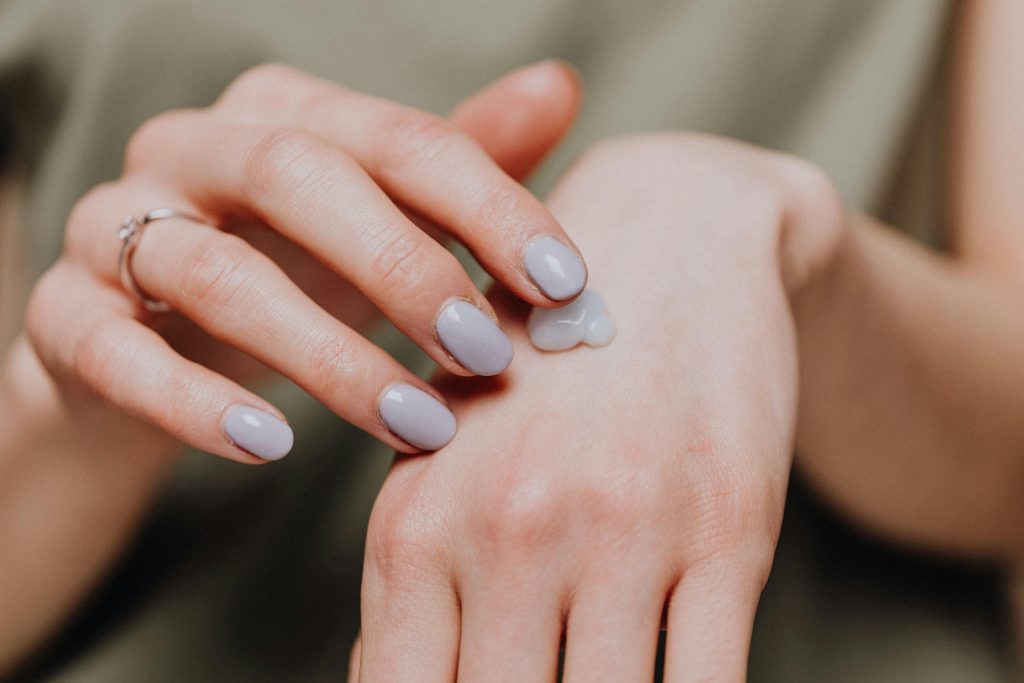
It sounds counterintuitive, but oily skin needs moisture. If you don’t hydrate, your skin becomes dehydrated (lacking water). Dehydrated skin triggers more oil production to seal in whatever moisture is left. It’s a vicious cycle that only a good, oil-free moisturizer can break.
The Pros of Having Oily Skin (Yes, Really!)
Before we get into how to manage it, let’s take a second to appreciate the silver lining. While oily skin can be a hassle in your 20s, it’s a massive blessing as you age.
- Natural Anti-Aging: Sebum contains Vitamin E, a natural antioxidant. People with oily skin tend to develop fewer fine lines and deep wrinkles than those with dry skin because their skin stays naturally lubricated.
- Built-in Barrier: Your skin is naturally more resistant to the elements (wind and cold) because of that protective lipid layer.
- The Natural Glow: When managed well, oily skin has a luminosity that people with dry skin spend hundreds of dollars trying to achieve with highlighters and serums.
Building the Perfect Skincare Routine for Oily Skin
The goal of an oily skincare routine isn’t search and destroy. It’s a balance. You want to remove excess oil and debris without compromising your skin barrier. Here is the step-by-step blueprint.
Step 1: The Right Cleanser
You need a cleanser that is effective but gentle. You aren’t trying to squeak when you’re done; you’re just trying to feel clean. Look for:
- The gold standard for oily skin is salicylic acid (BHA). It’s oil-soluble, meaning it can get inside the pore to dissolve the gunk.
- Foaming or Gel Formulas: These generally cut through grease better than cream or milk cleansers.
- Frequency: Wash twice a day, once in the morning to clear night-time oil, and once before bed to remove the day’s grime.
Step 2: The Power of Targeted Toners
Forget the old-school toners that smelled like straight rubbing alcohol. Modern toners for oily skin should be soothing or gently exfoliating. Ingredients like Niacin amide (Vitamin B3) are incredible for regulating oil and minimizing the appearance of pores without drying you out.
Step 3: Lightweight Hydration
You want humectants, not occlusive. In plain English: you want ingredients that pull water into the skin, not heavy oils that sit on top of it. Look for:
- Hyaluronic Acid: A superstar ingredient that holds moisture without adding oil.
- Water-Gels: These feel like a splash of water and absorb instantly.
- Non-comedogenic: This is a fancy way of saying won’t clog your pores.
Step 4: Sunscreen (The Non-Negotiable)
Many people with oily skin skip SPF because it feels heavy or greasy. Don’t do it! Sun damage makes pores look larger and can darken acne scars. Look for matte-finish or mineral sunscreens that use zinc oxide, which can actually help absorb some surface oil.
Lifestyle Tips: Managing Shine from the Inside Out
Skincare is only half the battle. Your body’s internal chemistry plays a huge role in how much oil your face produces.
Watch the Sugar and High-Glycemic Foods
Our diets in the United States are frequently heavy in processed flours and sugars. These cause a spike in insulin, which stimulates the production of androgens, which-you guessed it, tells your skin to pump out more oil. Try swapping the white bread for whole grains and see how your skin reacts.
Stress Management
When you’re stressed, your body produces cortisol. Cortisol has a direct line to your sebaceous glands. If you’ve ever noticed you get greasier during finals week or a big project at work, that’s the cortisol talking.
Clean Your Tech and Linens
Your phone screen is a magnet for oil and bacteria. Every time you hold it to your face, you’re transferring that back to your pores. Similarly, try to change your pillowcase at least twice a week. Silk or satin pillowcases are less absorbent than cotton, which can help keep your skin’s moisture balanced.
Hands Off!
It is tempting to touch your face, especially if you feel a pimple coming on. But your hands carry natural oils and bacteria that can irritate your pores and trigger more oil production. Unless you’re applying products with clean hands, keep your fingers away.
The Makeup Game Plan for Oily Skin
If you have oily skin, your makeup routine needs to be tactical. You can’t just slap on any foundation and hope for the best.
- Start with a Metrifying Primer: This acts as a bridge between your skin and your makeup, creating a barrier that prevents oil from breaking down your foundation.
- Choose Long-wear Formulas: These are formulated to resist the sliding effect of sebum.
- Powder Strategy: Don’t cake powder all over Pay attention to the T-zone, which includes the chin, nose, and forehead.
- Blotting Papers Are Essential: Instead of piling on more powder throughout the day (which leads to cake-face), use blotting papers to soak up excess oil without disturbing your makeup.
Professional Treatments: When to See a Dermatologist
Sometimes, over-the-counter products just don’t cut it, and that is perfectly okay. If your oily skin is accompanied by painful cystic acne, or if it’s severely affecting your self-esteem, it’s time to see a pro.
A dermatologist can offer prescription-strength treatments such as:
- Topical Retinoid: These help regulate cell turnover and keep pores clear from the inside out.
- Spironolactone: A medication that can help regulate hormonal oil production (specifically for women).
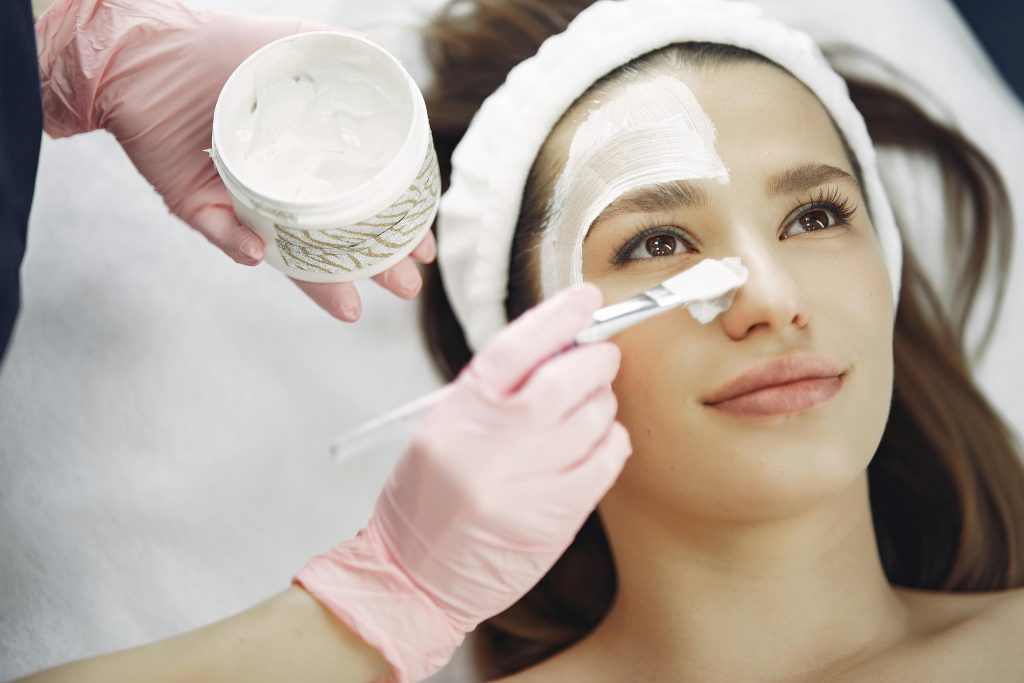
- Chemical Peels: Professional-grade Salicylic or Glycolic peels can reset the skin’s surface.
- Isotretinoin (Accutane): For severe cases, this can actually shrink the oil glands permanently.
Conclusion
Understanding what oily skin is the first step toward mastering it. It isn’t a problem that needs to be erased or a flaw you need to hide; it’s simply a skin type that requires a specific strategy. By focusing on balance-gentle cleansing, consistent hydration, and smart lifestyle choices, you can stop worrying about looking greasy and start enjoying the natural, youthful resilience that oily skin provides.
FAQs
1. What exactly is the oil on my face?
The oil is scientifically known as sebum. It is a complex mixture of fats (lipids), wax, and sweat produced by your sebaceous glands. While it can feel like a nuisance, its job is to keep your skin waterproof and protected from the environment.
2. Is oily skin actually a bad skin type?
Not at all! The article highlights that oily skin is a natural anti-ager. Because sebum contains Vitamin E (an antioxidant), people with oily skin often develop fewer deep wrinkles and fine lines as they age compared to those with dry skin.
3. Why does my face look shiny even after I wash it?
This is often caused by over-washing or using harsh, alcohol-based products. When you strip away all natural moisture, your skin panics and goes into overdrive to replace it, resulting in even more oil than you started with.
4. Can I skip moisturizer if my skin is already greasy?
No. Oily skin still needs hydration. If you don’t hydrate, your skin becomes dehydrated (lacking water), which triggers more oil production to seal in what’s left. The key is using a lightweight, water-based or non-comedogenic moisturizer.
5. What ingredients should I look for in a cleanser?
The gold standard is Salicylic Acid (BHA). It is oil-soluble, meaning it can actually get inside the pores to dissolve the gunk and excess sebum that causes breakouts.
6. How do my genetics affect my skin?
Genetics is the most common cause of oily skin. If your parents have oily skin, you likely inherited more active sebaceous glands and larger pores. While you can’t change your DNA, you can manage how those glands behave with the right routine.
7. Does diet really impact how much oil my skin produces?
Yes. Diets high in sugar and processed flours cause insulin spikes. This stimulates androgens (hormones), which tell your glands to pump out more oil. Swapping processed snacks for whole grains can help calm oil production.
8. Why does my makeup always slide off by lunchtime?
Excess sebum acts as a solvent that breaks down makeup. To prevent the makeup slide, the article recommends using a moisturizing primer as a barrier and choosing long-wear formulas designed to resist oil.
9. What are humectants, and why are they good for me?
Humectants (like Hyaluronic Acid) are ingredients that pull water into the skin without adding heavy oils. They provide the moisture your skin needs to stay balanced without leaving a greasy residue on the surface.
10. When should I stop using over-the-counter products and see a professional?
If your oily skin is accompanied by painful cystic acne or if it is significantly affecting your self-esteem, you should see a dermatologist. They can provide prescription-strength treatments like retinoids or professional-grade chemical peels.
