
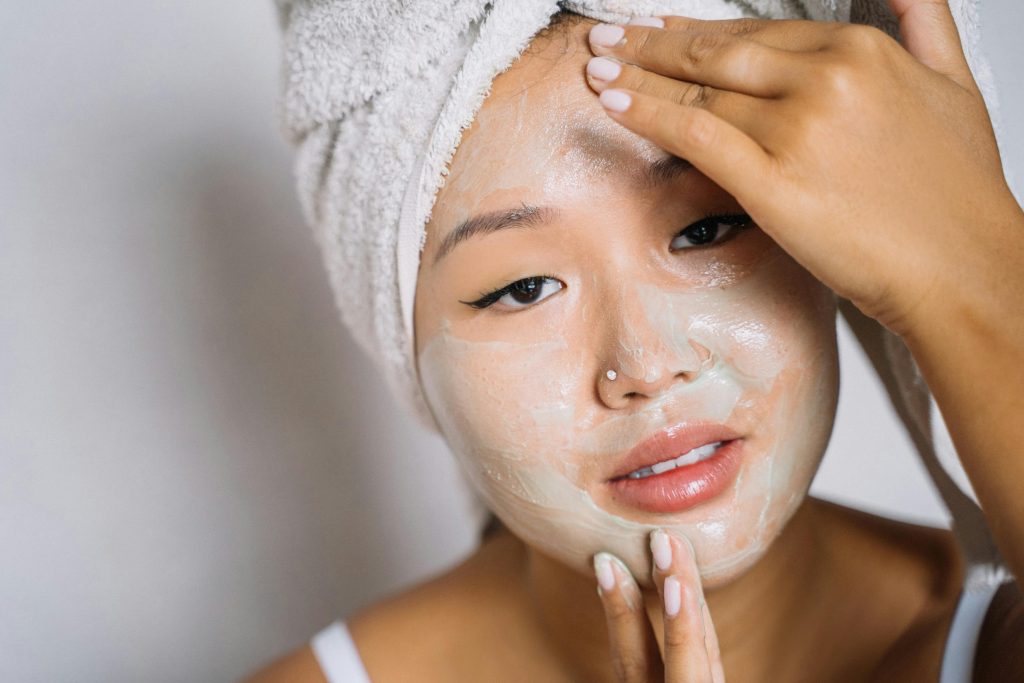
If you’ve ever looked in the mirror by lunchtime and felt like you could see your reflection in the oil on your forehead, you aren’t alone. That slick feeling isn’t just annoying; it can ruin your makeup, lead to breakouts, and make you feel self-conscious during that big Zoom call or date night.

But here’s the good news: you don’t need a cabinet full of expensive, harsh chemicals to get your glow under control. In fact, many of the best solutions for balancing your sebum production are sitting right in your kitchen or bathroom cabinet.
In this guide, we’re diving deep into how to get rid of oily skin naturally. We’ll cover everything from the why behind the grease to the specific DIY masks and daily habits that actually work.
Understanding Your Skin: Why Is It So Oily?
Before we fix it, we have to understand it. Your skin produces oil (sebum) through sebaceous glands. This oil is actually a hero-it protects your skin from moisture loss and keeps it supple. However, when these glands go into overdrive, you end up with oily skin.
Common culprits for overproduction include:
- Genetics: Sometimes, it’s just in your DNA.
- Humidity: If you live in a coastal or humid US climate, your skin likely reacts to the moisture in the air.
- Hormones: Fluctuations during puberty, pregnancy, or even high-stress periods can trigger oil spikes.
- Over-cleansing: Ironically, scrubbing your face too hard can trick your skin into thinking it’s dry, causing it to produce more oil to compensate.
1. The Natural Cleansing Revolution
The foundation of managing oily skin naturally starts with how you wash your face. Forget the squeaky clean feeling-that’s actually a sign you’ve stripped your skin’s natural barrier.
Honey: The Sweetest Cleanser
Honey is a natural humectant and possesses antibacterial properties. It keeps the skin hydrated without becoming greasy.
- How to use: Massage a small amount of raw, organic honey onto damp skin. Let it sit for 2-3 minutes before rinsing with lukewarm water.
Oatmeal and Yogurt Scrub
Oatmeal helps absorb excess oil and calms inflammation, while the lactic acid in yogurt gently exfoliates.
- The Mix: Combine 1 tablespoon of finely ground oats with 1 tablespoon of plain Greek yogurt.
- The Method: Gently massage in circular motions and rinse. This keeps the pores clear without the harshness of plastic microbeads found in some commercial scrubs.
2. Best Natural Home Remedies for Oily Skin
If you’re looking for a weekly treatment to reset your skin, these DIY remedies are gold standards in natural skincare.
The Egg White and Lemon Mask
This is a classic for a reason. Egg whites are known to tighten the skin and soak up grease, while lemon juice contains citric acid which helps neutralize oil.
- Whisk one egg white until stiff.
- Add 1 teaspoon of fresh lemon juice.
- Apply to your face, avoid the eyes, and leave it on for 10 minutes.
- Rinse with warm water. Note: If you have sensitive skin, use less lemon juice as it can be quite acidic.
Cosmetic Clay (Bentonite or French Green)
Clay masks are the ultimate vacuum cleaners for your pores. Bentonite clay carries a negative charge that attracts positively charged toxins and oils, pulling them out of the skin.
- Tip: Mix the clay with apple cider vinegar instead of water for an extra pH-balancing boost. Apply once a week to prevent your skin from becoming too dry.
Apple Cider Vinegar (ACV) Toner
ACV is a natural astringent. It helps balance the skin’s pH levels, which is crucial for preventing the over-secretion of oil.
- The Ratio: Always dilute! Mix 1-part ACV with 3 parts filtered water. Apply with a cotton ball after cleansing.
3. Targeted Treatments: Essential Oils and Botanicals
Nature provides some powerful active ingredients that rival high-end serums.
Tea Tree Oil
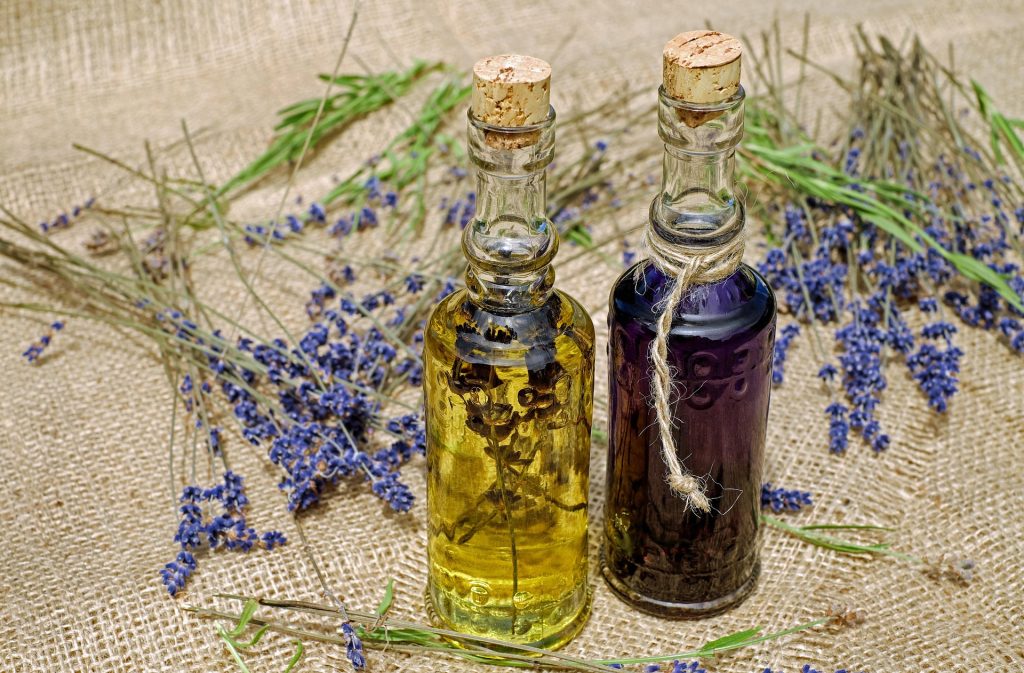
If your oily skin often leads to acne, tea tree oil is your best friend. It’s a natural antiseptic that can help regulate the bacteria living in your pores.
- Usage: Never apply pure tea tree oil directly to the skin. Mix a drop into your moisturizer or dilute it with a carrier oil like jojoba (which, ironically, helps balance oily skin because it mimics natural sebum).
Witch Hazel
Witch hazel is a botanical extract that acts as a powerful natural toner. It contains tannins, which have an astringent effect, shrinking the appearance of pores and removing surface oil. Look for alcohol-free versions to ensure you aren’t drying out your skin.
4. Lifestyle and Diet: The Inside-Out Approach
You can put all the honey and clay in the world on your face, but if your lifestyle is working against you, the oil will return.
Hydration is Non-Negotiable
It sounds counterintuitive, but dehydrated skin often produces more oil. When your body lacks water, your skin panics and pumps out sebum to try and lubricate the surface. Aim for at least 8-10 glasses of water a day to keep the balance.
Watch the High-Glycemic Foods
In the US, many common snacks are high in refined sugars and white flour. These high-glycemic foods cause insulin spikes, which are directly linked to increased sebum production.
- Swap this: White bread, soda, and sugary cereals.
- For this: Whole grains, leafy greens, and berries.
Manage Your Stress Levels
When you’re stressed, your body produces cortisol. High cortisol levels signal your sebaceous glands to go into overdrive mode. Whether it’s a 10-minute walk, yoga, or just getting an extra hour of sleep, lowering your stress will visibly reduce skin greasiness.
5. Daily Habits to Prevent Oil Buildup
Sometimes the smallest changes yield the biggest results. If you’re wondering how to get rid of oily skin naturally on a day-to-day basis, check these habits:
- Clean your phone screen: Your phone carries oil and bacteria from your hands and hair. Every time you hold it to your face, you’re transferring that grime back to your skin.
- Use a silk or satin pillowcase: Cotton can absorb oils and then rub them back into your skin throughout the night. Silk is more hygienic and less absorbent.
- Don’t touch your face: Your fingers are naturally oily. Every time you lean your chin on your hand, you’re adding fuel to the fire.
- Blot, don’t rub: If you get shiny during the day, use plain unbleached napkins or specialized blotting papers. Press them firmly against the oily spots. Rubbing will only spread the oil and irritate the skin.
6. Common Myths About Oily Skin
Let’s clear up some misinformation that might be hurting your progress:
Myth 1: I don’t need moisturizer.
Truth: Oily skin still needs moisture. If you skip moisturizer, your skin will get thirsty and produce more oil. The trick is using a lightweight, water-based, or Aloe-Vera-based natural moisturizer.
Myth 2: Sun exposure dries up oil.
Truth: While the sun might feel like it’s drying out a pimple, it actually damages the skin barrier and causes the skin to thicken, leading to trapped oil and more breakouts later. Always use a mineral-based (Zinc Oxide) sunscreen.
Myth 3: Hot water washes away grease better.
Truth: Hot water can actually irritate the skin and cause a rebound effect where your skin produces more oil. Always stick to lukewarm water.
Conclusion
Learning how to get rid of oily skin naturally isn’t about achieving a matte look 24/7-that’s not realistic for human skin. It’s about balance. By incorporating natural cleansers like honey, using clay masks strategically, and adjusting your diet, you can move from greasy to glow.

The most important thing to remember is consistency. Natural remedies take a bit longer to show results than harsh chemical peels, but they are much kinder to your skin in the long run. Start by picking one remedy from this list-perhaps the ACV toner or the honey wash-and try it for two weeks. Your skin will thank you!
FAQs
1. Can oily skin ever go away permanently?
While you cannot change your genetics or the number of sebaceous glands you have, you can permanently manage the symptoms of oily skin. By maintaining a consistent natural routine, balancing your hormones through diet, and staying hydrated, you can reach a point where your skin stays balanced and healthy rather than excessively greasy.
2. Does drinking water really help with oily skin?
Yes, absolutely! It sounds like a myth, but when your body is dehydrated, your skin sends a signal to your oil glands to produce extra sebum to prevent moisture loss. By staying hydrated from the inside out, you keep your skin’s water-to-oil ratio balanced, which often leads to a decrease in surface oiliness.
3. How often should I wash my face if I have oily skin?
In the morning and right before bed, you should wash your face twice a day. Washing more than twice can actually backfire. Over-cleansing strips away the good oils, causing your skin to panic and produce even more oil to compensate. If you feel greasy mid-day, use a blotting paper or a quick mist of rosewater instead of a full wash.
4. Is apple cider vinegar safe for all oily skin types?
Apple cider vinegar (ACV) is excellent for balancing pH, but it is very acidic. It is generally safe for oily skin if it is properly diluted (usually 1-part ACV to 3 or 4 parts water). If you have sensitive skin, start with a more diluted version and test it on a small patch of your jawline first to ensure it doesn’t irritate.
5. Why is my skin still oily even after using a clay mask?
Clay masks are fantastic for temporary oil absorption, but if you leave them on until they are bone-dry and cracking, you might be over-drying your skin. This triggers a rebound effect where the skin produces excess oil to recover. Try rinsing off your clay mask while it still feels slightly tacky to the touch for the best results.
6. Can I use coconut oil on my oily face?
Generally, no. Coconut oil is highly comedogenic, meaning it is likely to clog pores and cause breakouts, especially for those with oily or acne-prone skin. Stick to lighter oils like jojoba, hemp seed, or grapeseed oil, which mimic your skin’s natural texture without suffocating your pores.
7. Does diet actually affect how much oil my skin produces?
Yes. Diets high in refined sugars, dairy, and processed carbs can cause spikes in insulin and IGF-1 (Insulin-like Growth Factor), both of which are known to stimulate sebum production. Incorporating leafier greens, zinc-rich foods (like pumpkin seeds), and Omega-3s can help calm your oil glands from the inside.
8. Are natural remedies as effective as store-bought chemicals?
Natural remedies often take a bit longer to show dramatic results because they don’t contain harsh, quick-fix alcohols. However, they are often more effective for long-term health because they work with your skin’s biology rather than against it. They strengthen the skin barrier rather than weaken it.
9. Will using oil-based products make me break out more?
Not necessarily. Using the right oils (non-comedogenic ones) can actually help dissolve the bad, hardened oil inside your pores. This is the logic behind the Oil Cleansing Method. As long as you use oils high in linoleic acid, like grapeseed oil, you are more likely to see clearer skin than more breakouts.
10. Should I use a toner every day?
For oily skin, a natural toner like witch hazel or diluted apple cider vinegar can be very beneficial when used daily. It helps remove any leftover residue from cleansing and tightens the appearance of pores. Just ensure your toner is alcohol-free to avoid unnecessary dryness and irritation.
