
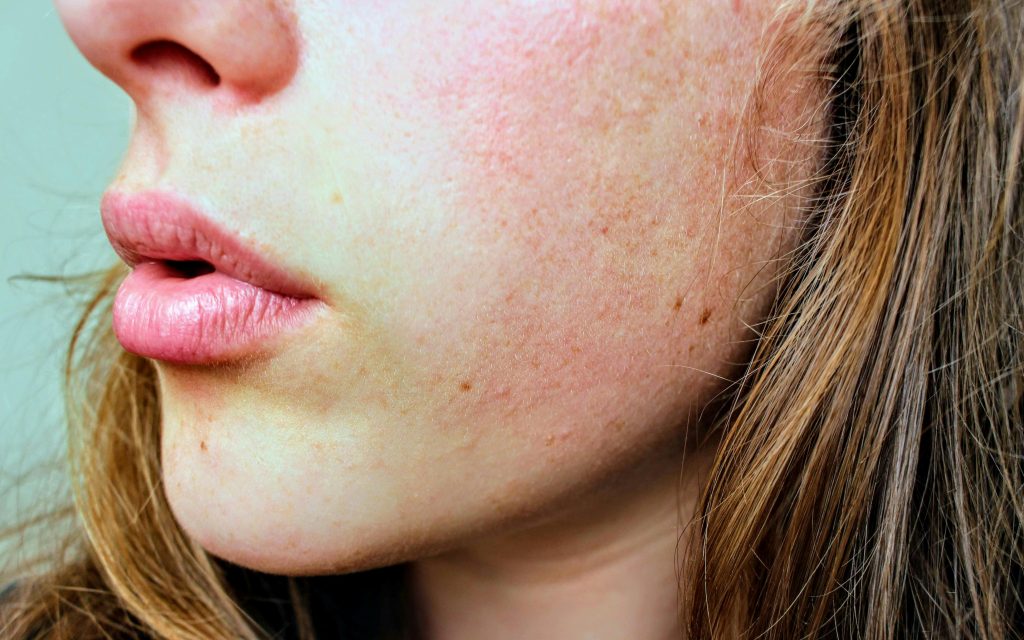
If you’ve ever looked in the mirror by 2:00 PM and felt like you could fry an egg on your forehead, you aren’t alone. Managing oily skin feels like a full-time job-one where the primary task is constantly blotting away grease, checking for the slick in every reflective surface, and praying your foundation doesn’t slide down your neck before the sun sets.
But here is the plot twist: oil (scientifically known as sebum) isn’t your enemy. It’s actually your skin’s built-in defense mechanism. It keeps your skin supple, protects it from environmental pollutants, and-believe it or not-serves as a natural anti-aging serum. The goal of a solid AM and PM skincare routine for oily skin isn’t to strip your face until it’s squeaky clean; it’s to achieve a state of equilibrium where your skin is balanced, matte, and glowing for the right reasons.
In this comprehensive guide, we are going deep into the science of sebum and providing you with a high-performance roadmap to reclaim your complexion.
Understanding the Oil Factory: Why Your Skin Overproduces
Before we talk about products, we have to talk about biology. Your skin’s oil production is governed by the sebaceous glands. For those with oily skin, these glands are essentially high achievers. This over activity is usually driven by a few key factors:
- Genetics: If your parents had oily skin, you likely will too.
- Hormones: Androgens (male hormones present in both men and women) stimulate oil production. This is why breakouts often flare up during puberty or menstrual cycles.
- Environment: Humidity and heat trigger the glands to produce more oil to protect the skin barrier from moisture loss.
- Over-cleansing: This is the most common mistake. When you use harsh, alcohol-based products to kill the oil, your skin senses the dryness and overcompensates by producing even more oil. It’s a vicious cycle.
The good news? Oily skin is thicker and stays hydrated more easily than dry skin. While your friends are worrying about fine lines in their late 20s, your natural oils are keeping your skin plump. You just need to learn how to manage the excess.
The AM Routine: Your Shield for the Day
Protection and preparation are key components of your morning routine. Since you’ll be heading out into a world of UV rays, pollution, and fluctuating temperatures, your skincare needs to create a breathable, matte barrier that lasts.
1. The Gentle Cleanse (6:00 AM – 8:00 AM)
You might wake up feeling like a grease trap, but resist the urge to scrub. During the night, your skin has been busy repairing itself. You want to wash away the excess sebum and nighttime products without disrupting the pH balance.
- The Recommendation: A water-based gel or foaming cleanser.
- Key Ingredients: Look for Salicylic Acid (BHA) or Tea Tree Oil.
- Why it works: Unlike physical scrubs, BHA is oil-soluble. It travels deep into the pore to dissolve the glue that binds oil and dead skin cells together, preventing the clogs that lead to blackheads.
2. The Alcohol-Free Toner
Think of toner as the prep step. It resets your skin’s pH and removes any trace of minerals from your tap water.
- The Choice: Avoid the old-school astringents that sting. Look for a balancing toner with Witch Hazel or niacin amide.
- Benefits: niacin amide (Vitamin B3) is a superstar for oily skin. It regulates oil production, reduces the appearance of enlarged pores, and strengthens the skin’s barrier.
3. Antioxidant Serum (Vitamin C)
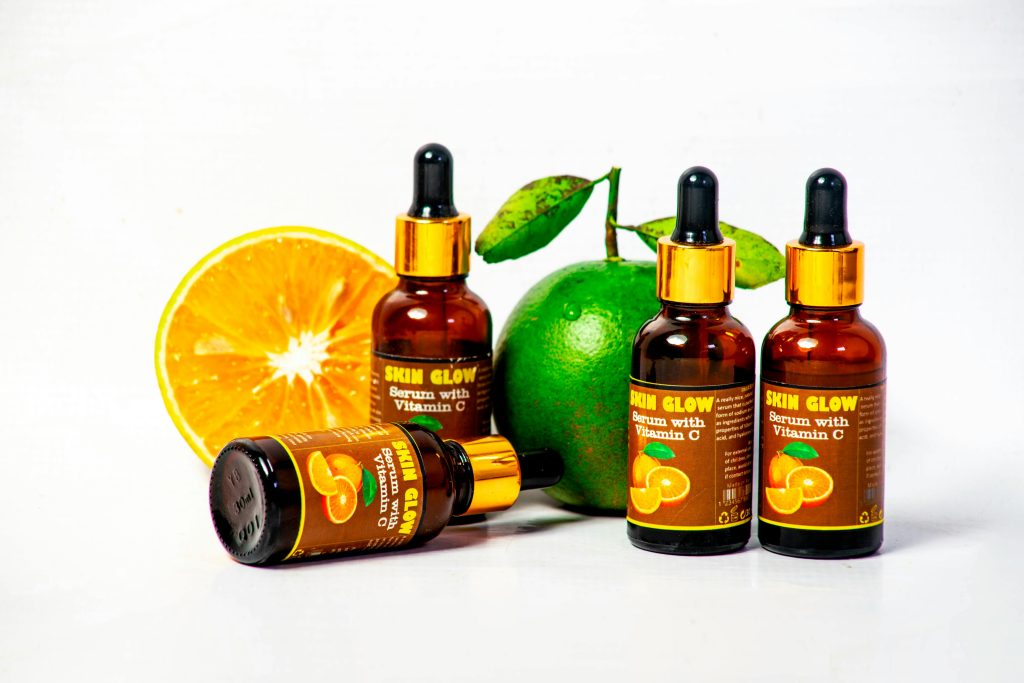
Every skin type needs Vitamin C, but oily skin especially benefits from its brightening properties. Acne-prone oily skin often leaves behind red or brown marks (hyperpigmentation). Vitamin C helps fade these while protecting you from free radicals.
- Pro-Tip: Look for an L-Ascorbic Acid or Sodium Ascorbic Phosphate formula that is water-based rather than oil-based to avoid a heavy feel.
4. The Lightweight Hydrator
This is where a lot of folks make mistakes. Skipping moisturizer because you’re oily is like skipping water because you’re sweating-it makes the problem worse.
- The Texture: Oil-free, Water-Cream, or Gel-based moisturizers.
- The Secret Weapon: Hyaluronic Acid. In water, this molecule can hold 1,000 times its weight. It provides water-weight hydration that makes the skin feel bouncy without adding a drop of oil.
5. The Non-Negotiable: Matte SPF
If you do nothing else, do this. Sun damage makes pores look larger and can cause oil glands to go into overdrive.
- What to buy: Look for Non-comedogenic (won’t clog pores) and Fluid formulations.
- Mineral vs. Chemical: Many people with oily skin prefer mineral sunscreens containing Zinc Oxide. Zinc is naturally anti-inflammatory and has a slight drying effect that can help keep you matte throughout the day.
The PM Routine: Deep Cleanse and Repair
Nighttime is when the real magic happens. While you sleep, your skin’s blood flow increases, and it focuses on repairing the damage from the day. Your PM routine should be more intensive and focused on treatment.
1. The Double Cleanse (The Absolute Essential)
If you aren’t double cleansing, your oily skin will never truly be clear. Oily skin traps pollutants and makeup like a magnet.
- Step 1: An oil-based cleanser or cleansing balm. It sounds crazy, but oil dissolves oil. This melts away waterproof sunscreen and stubborn makeup.
- Step 2: Follow up with your water-based foaming cleanser from the morning. This ensures that the treatment products you apply next can actually penetrate the skin.
2. Chemical Exfoliation (2-3 Times a Week)
Oily skin has a slower natural exfoliation process, meaning dead skin cells sit on the surface longer, leading to dullness and breakouts.
- The Ingredients: Glycolic Acid (AHA) for surface texture and Salicylic Acid (BHA) for deep pore cleaning.
- The Method: Use a pre-soaked pad or a liquid exfoliate. Start slow to avoid irritation.
3. The Power of Retinoid
If you want to transform oily skin, you need a retinoid (Retinol, Adapalene, or Retinoic).
- Why it works: retinoids speed up cell turnover and prevent the lining of the pores from becoming sticky, which is the root cause of acne. It also regulates the sebaceous glands over time, eventually leading to less oil production.
- Note: Only use this at night, as it makes your skin more sensitive to the sun.
4. Targeted Treatments
If you have an active breakout, now is the time to strike. Use a spot treatment containing Benzoyl Peroxide (to kill bacteria) or Sulfur (to dry out the blemish).
5. Nighttime Barrier Repair
Night is the time to use a slightly more nourishing moisturizer. While you still want to avoid heavy oils like coconut or cocoa butter, look for Ceramides. These are lipids that help seal the skin barrier, ensuring that the active ingredients like retinol don’t irritate.
Weekly Maintenance: The Extra 10%
Sometimes you need a deep clean boost to your routine. Incorporate these once a week for maximum results:
- The Clay Mask: Bentonite and Kaolin clay act like sponges, pulling out excess sebum from the depths of your pores. Crucial Tip: Don’t let the mask dry until it cracks. If it’s cracking, it’s sucking the necessary moisture out of your skin, which triggers more oil. While it is still a little tacky, wash it off.
- The Detox Night: Once a week, skip all actives (no retinol, no acids) and just use a simple cleanser and a thick layer of hydrating gel. This gives your skin barrier a chance to breathe and reset.
Dietary and Lifestyle Factors for Oily Skin
Skincare is only half the battle. What you put in your body affects what comes out of your pores.
1. Watch the Glycemic Index
High-sugar foods and refined carbs (white bread, pasta, pastries) spike insulin levels. High insulin levels have been directly linked to increased sebum production and acne. Choose complex carbohydrates such as sweet potatoes, quinoa, and oats.
2. Hydrate from Within
It’s a cliché for a reason. If you are internally dehydrated, your skin will compensate by producing more oil to prevent trans-epidermal water loss. Aim for 2-3 liters of water a day.
3. Manage Stress
Stress triggers the release of cortisol, which in turn tells your oil glands to go into overdrive. Whether it’s 10 minutes of meditation or a walk outside, lowering your stress can literally clear your skin.
4. Clean Your Tech
Bacteria thrive on the screen of your phone. When you hold it against your face, you’re transferring oil and bacteria directly into your pores. Use an alcohol wipe on your phone daily.
Common Oily Skin: Debunked
To truly master your routine, you have to unlearn some of the bad advice floating around the internet.
- 1: Oily skin doesn’t need moisturizer.
- Truth: Oily skin needs hydration (water), not necessarily emollients (oil). Dehydrated oily skin is a real thing, and it looks both shiny and flaky at the same time.
- 2: You can shrink your pores.
- Truth: Pore size is genetic. You can’t change the physical size, but you can make them look smaller by keeping them clear of debris and keeping the surrounding skin firm with retinol and SPF.
- 3: Sun exposure clears up acne.
- Truth: The sun might dry out a pimple temporarily, but the UV damage thickens the skin and causes more clogs later on. Plus, it darkens acne scars.
Final Thoughts
The biggest mistake people make with an AM and PM skincare routine for oily skin is trying too many things at once. If you start a BHA, a Retinol, and a Clay Mask all in the same week, your skin will likely revolt
FAQs
1. Why do I need a different routine for morning and night?
The AM routine focuses on protection from the sun, pollution, and excess shine throughout the day. The PM routine focuses on deep cleansing to remove debris and using active treatments that help the skin repair itself while you sleep.
2. What is the best cleanser for oily skin?
Look for gel or foam-based cleansers. Ingredients such as Salicylic Acid (BHA) or Benzoyl Peroxide are excellent for deep-cleaning pores, while niacin amide helps regulate sebum production without stripping the skin.
3. Should I use a moisturizer if my skin is already oily?
Yes, absolutely. If you skip moisturizer, your skin becomes dehydrated, causing it to produce more oil to compensate. Stick to oil-free, lightweight gel moisturizers containing Hyaluronic Acid or Glycerin.
4. What is the Double Cleansing method, and should I do it?
Double cleansing involves using an oil-based cleanser followed by a water-based one. While it sounds counterintuitive for oily skin, it is the most effective way to remove waterproof SPF and stubborn sebum at night.
5. How often should I exfoliate?
For oily skin, 2-3 times a week is usually the gold standard. Over-exfoliating can damage your skin barrier. Use chemical exfoliates like BHA (Salicylic Acid) rather than harsh physical scrubs.
6. Can I skip sunscreen if my face feels greasy?
Never. Sun damage can actually make pores look larger and worsen acne scarring. Look for non-comedogenic or matte-finish sunscreens that won’t clog your pores.
7. What ingredients should I look for in an oily skin serum?
- Niacin amide: Reduces oil and minimizes pore appearance.
- Hyaluronic Acid: Provides oil-free hydration.
- Retinol (PM only): Increases cell turnover and prevents clogged pores.
- Vitamin C (AM only): Brightens and protects against environmental damage.
8. What is the correct order for the AM routine?
- Cleanser: Remove overnight oil.
- Toner: Balance pH and refine pores.
- Serum: Target specific issues (e.g., Vitamin C).
- Moisturizer: Lightweight gel.
- SPF: Minimum 30+.
9. What is the correct order for the PM routine?
- Double Cleanse: Oil cleanser followed by water-based cleanser.
- Exfoliate/Treat: Apply BHA or Retinol (alternating days).
- Eye Cream: Optional, for hydration.
- Night Cream/Moisturizer: Slightly richer but still oil-free.
10. How long does it take to see results from a new routine?
Consistency is key. It typically takes 4 to 6 weeks (one full skin cell cycle) to see a noticeable difference in oil production and skin texture.
