

If you feel like you could strike oil on your forehead by lunch, you aren’t alone. In the United States, oily skin is one of the top three skin concerns reported to dermatologists. For years, the solution sold in drugstores was to scrub your face into submission with harsh alcohols and gritty beads.

But it’s 2026, and we know better. The best skincare routine for oily skin isn’t about stripping; it’s about strategic balancing. Your skin isn’t your enemy-it’s just over-enthusiastic. By understanding the biology of your sebaceous glands and using the right smart ingredients, you can turn that grease into a healthy, controlled glow.
1: The Biology of the Slick
To fix the oil, we have to understand where it comes from. Sebum is a complex mixture of triglycerides, wax esters, and squalene. It’s actually vital for your skin’s health, acting as a waterproof shield and an antioxidant delivery system.
However, in the USA, several factors trigger Hyper-seborrhea (excess oil):
- Hormonal Fluctuations: Androgens (male hormones present in everyone) tell your oil glands to grow and produce more.
- The Western Diet: High-glycemic foods common in the American diet (processed sugars, white breads) spike insulin, which directly correlates to oil production.
- Climate Stress: Whether it’s the humidity of the South or the dry, recycled air of a New York office building, your skin reacts to its environment by producing oil for protection.
2: The Morning Routine (The Mattify & Protect Phase)
Your morning goal is to clear away the oils your skin produced while you slept and create a matte shield for the day.
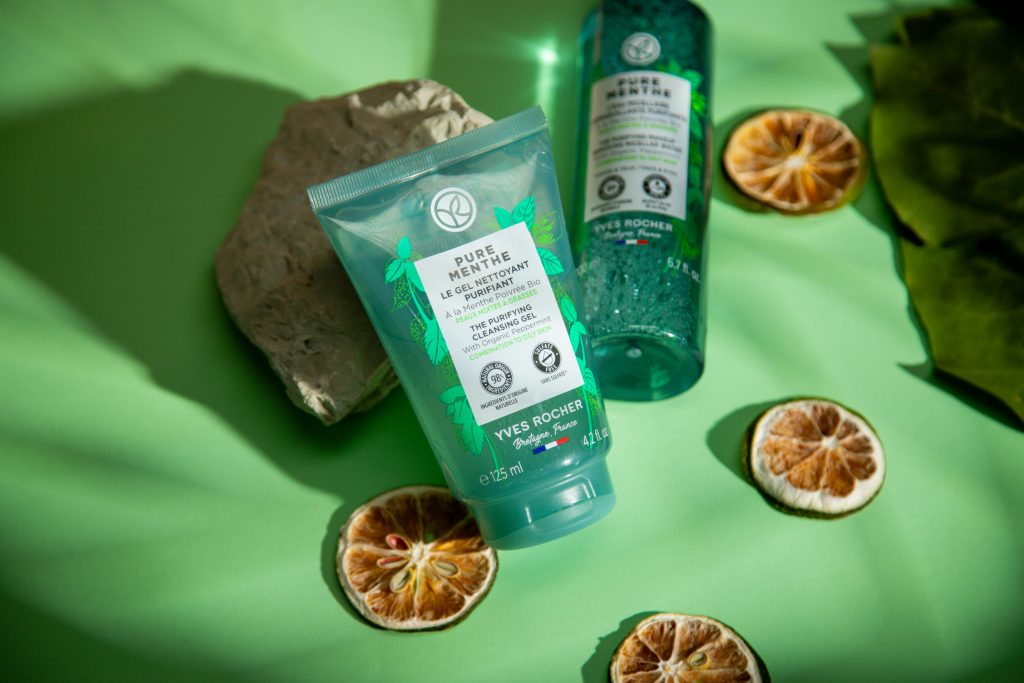
1. The Low-Sulfate Gel Cleanser
Start with a water-based gel cleanser. In 2026, we will avoid Sodium Lauryl Sulfate (SLS) because it’s too aggressive. Instead, look for Coco-Glucoside or Sodium Cocoyl Glycinate.
- Pro-Tip: Massage the cleanser into your oily areas (nose and chin) for a full 60 seconds. This gives the ingredients time to actually break down the surface tension of the oil.
2. The Balancing Toner (The Pore-Prep)
A good toner for oily skin should act as a humectant. Look for Niacinamide (Vitamin B3). Niacinamide is a superstar because it actually helps reduce the rate of sebum excretion over time. It’s not just a temporary fix; it’s a long-term treatment.
3. The Antioxidant Serum
Pollution in major U.S. cities can oxidize the oil on your face, leading to blackheads. A Vitamin C serum (specifically Sodium Ascorbyl Phosphate, which is better for acne-prone skin) prevents this oxidation and brightens the skin.
4. The Oil-Free Water Cream
American consumers are currently obsessed with Water Creams. These are high-tech moisturizers that feel like a gel but hydrate like a cream. They use Glycerin and Hyaluronic Acid to plump the skin without using heavy oils like Cocoa Butter or Petrolatum.
5. The Mattifying Sunscreen
This is where most people fail. You need an SPF that uses Silica or Tapioca Starch to absorb oil. Mineral sunscreens with Zinc Oxide are excellent for oily skin because Zinc is a natural antimicrobial that helps calm redness.
3: The Evening Routine (The Deep-Clean & Treat Phase)
Nighttime is when you do the heavy lifting. This is when you remove the grime of the day and apply active ingredients that work while you sleep.
1. The Power of the Double Cleanse
If you live in the USA, you’re likely wearing long-wear makeup or water-resistant SPF. A standard cleanser won’t cut it.
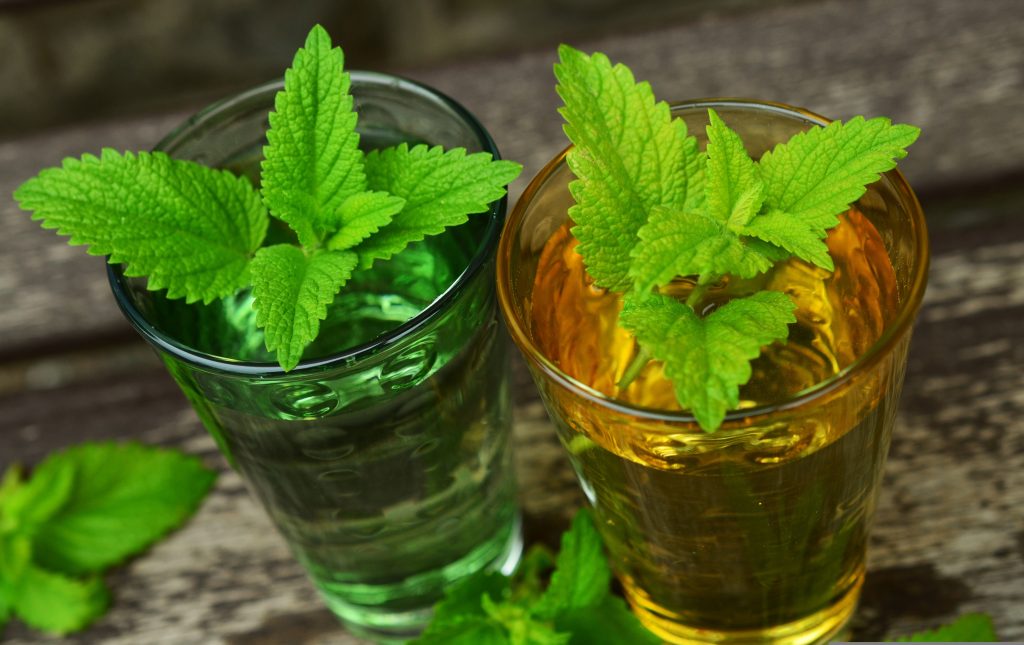
- Step A: Use a Cleansing Balm or Micellar Water. Believe it or not, oil dissolves oil. A balm will melt the sebum inside your pores.
- Step B: Follow up with your gel cleanser to rinse everything away. This is the secret to glass skin for oily types.
2. Chemical Exfoliation (BHA is King)
Salicylic Acid (BHA) is the only acid that can travel inside the oil-filled pore. It digests the dead skin cells and gunk that cause clogs.
- The Frequency: Start with 2 nights a week. In 2026, we focus on Barrier Health, so don’t over-exfoliate, or you’ll end up with raw, red skin that produces even more oil.
3. The Retinoid Revolution
Whether it’s Adapalene (the gold standard for acne and oil) or a high-quality Retinol, this ingredient is the manager of your skin cells. It tells your skin to speed up turnover, which keeps pores clear and skin looking young.
4: Advanced Ingredients for 2026
When looking for the best skincare routine for oily skin, keep an eye out for these emerging ingredients:
- Ectoin: A stress-protection molecule that prevents skin from reacting to pollution and heat.
- Succinic Acid: A gentler alternative to Salicylic Acid that is highly effective at controlling sebum without irritation.
- Polyglutamic Acid: Holds 4x more moisture than Hyaluronic Acid, perfect for dehydrated oily skin types.
- Green Tea Extract (EGCG): A powerful antioxidant that specifically targets the oil-producing cells.

5: Lifestyle & Skin-Hacking for the USA
Skincare doesn’t stop at the sink. In the U.S., our lifestyle often dictates our skin health.
1. The Diet-Oil Connection
Recent studies in the USA suggest that cutting back on Dairy and High-Sugar snacks can significantly reduce the slick on your face. Try switching to oat or almond milk for a month and watch your T-zone respond.
2. The Pillowcase Factor
If you have oily skin, your pillowcase becomes a sponge for oil and bacteria within two nights. Switch to Silk or Bamboo pillowcases and wash them every 3 days to prevent sleep-acne.
3. Stress Management
Stress triggers the adrenal glands to produce Cortisol, which is a direct precursor to oil production. Incorporating just 10 minutes of yoga or meditation can actually show up as clearer skin on your face.
6: Seasonal Adjustments (Summer vs. Winter)
The USA has vast climate differences, and your routine should reflect that.
- For Hot/Humid Summers (The South/Midwest): Focus on Skinimalism. Use a hydrating toner as your moisturizer and prioritize a high-quality mattifying SPF.
- For Cold/Dry Winters (The Northeast/Rockies): Use a slightly thicker gel-cream moisturizer. The dry air will pull moisture out of your skin, so you need a barrier to keep it in.
Conclusion
Finding the best skincare routine for oily skin is a marathon, not a sprint. It takes about 28 days for your skin cells to turn over, so give any new routine at least a month before you decide if it’s working.
FAQs
1. Does oily skin mean I won’t get wrinkles? Not exactly, but you’re at an advantage! The natural oils keep the skin’s surface hydrated, which makes fine lines less visible. However, you still need sunscreen to prevent deep wrinkles caused by UV damage.
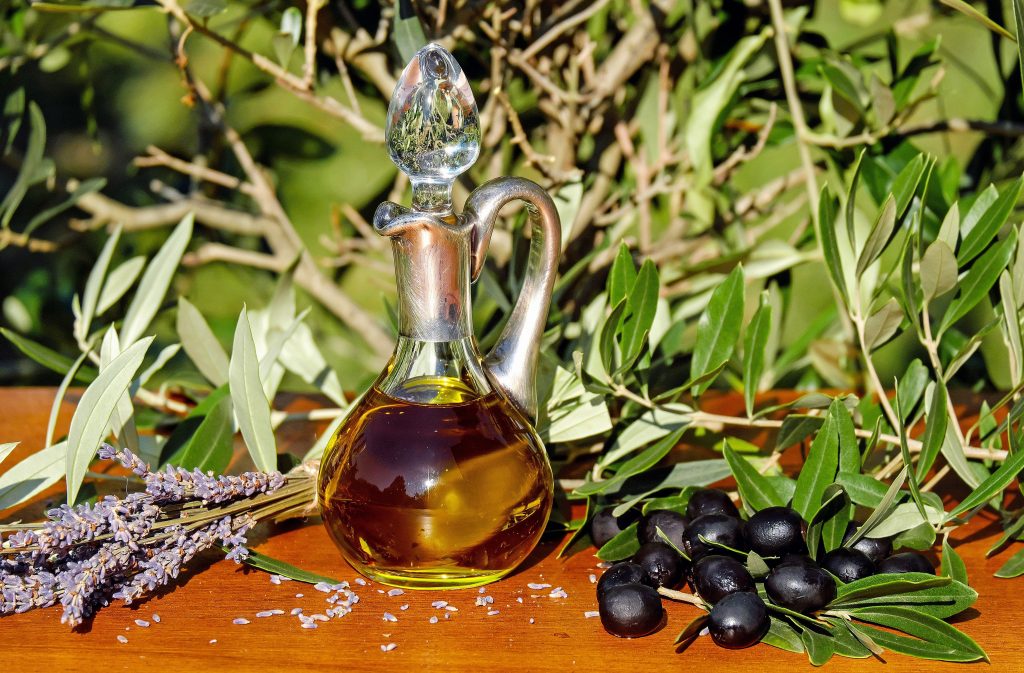
2. Can I use face oils on oily skin? Yes, but you must choose High Linoleic oils. Grapeseed oil and Rosehip oil are thin and won’t clog pores. Avoid High Oleic oils like Avocado or Olive oil.
3. Why is my nose so much oilier than my cheeks? This is known as Combination-Oily skin. The nose has the highest concentration of sebaceous glands on the entire body.
4. How often should I wash my face? Twice a day-no more, no less. Washing three or four times will damage your moisture barrier and lead to rebound oiliness.
5. Are Pore Strips okay to use? In 2026, most dermatologists advise against them. They are too aggressive and can cause broken capillaries. Stick to BHA liquid exfoliates.
6. Does Slugging work for oily skin? Generally, no. Slugging (using Vaseline) is meant for extremely dry skin. For oily skin, it can trap bacteria and cause massive breakouts.
7. Can Vitamin C cause breakouts on oily skin? Sometimes. Look for Sodium Ascorbic Phosphate rather than L-Ascorbic Acid, as it is more stable and less likely to irritate oily, acne-prone skin.
8. Is there a cure for oily skin? Since oil production is largely genetic and hormonal, there isn’t a permanent cure, but it can be 100% managed with a consistent routine.
9. Why do my pores look like orange peels? This is often a sign of slack skin or pores filled with hardened sebum. Retinoid will help firm the skin and clear the pores, making them look smaller.
10. What is the best drugstore brand for oily skin in the USA? Brands like Crave, La Roche-Posay, and Neutrogena offer some of the most scientifically backed, affordable options for oily skin.
