
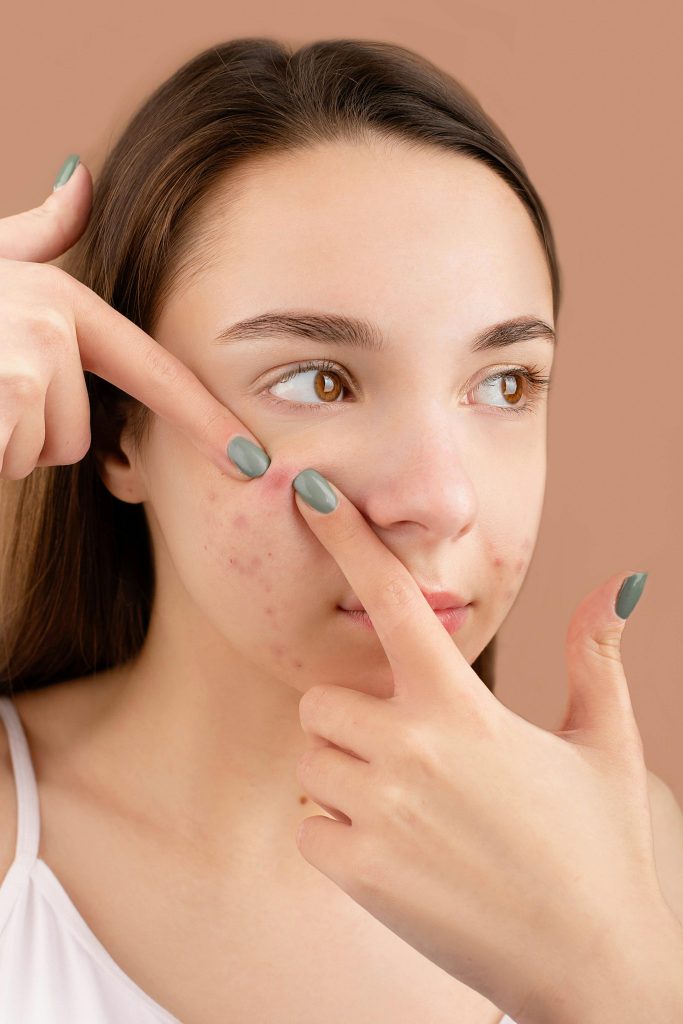
Waking up to a fresh breakout can feel like a personal betrayal by your own pores. If you’ve ever looked in the mirror and felt like your skin was a battlefield, you aren’t alone—and more importantly, you aren’t stuck.
Managing breakouts isn’t about using the harshest chemicals you can find; it’s about finding a rhythm that respects your skin’s natural barrier. A solid skincare routine for acne-prone skin is your best defense against pimples, blackheads, and that stubborn post-acne redness.
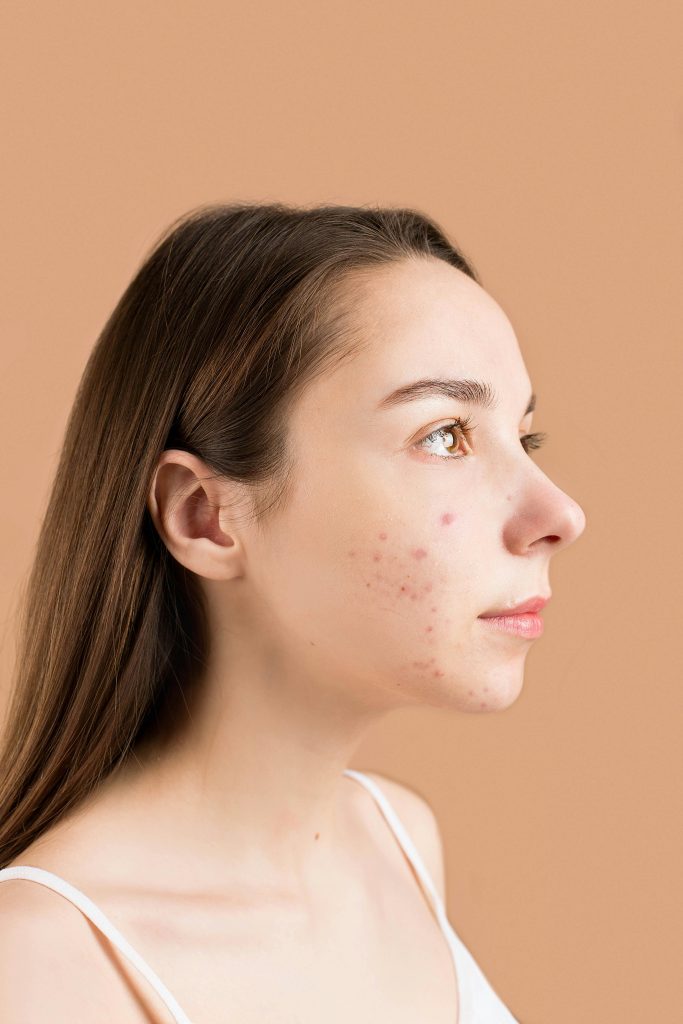
In this guide, we’re going to strip away the marketing fluff and get down to the science-backed basics. Whether you’re a teenager dealing with hormonal shifts or an adult wondering why “puberty 2.0” is happening in your 30s, this is for you.
Why Acne Happens (The Quick Version)
Before we dive into the “how,” we need to understand the “why.” Acne usually stems from a “perfect storm” of four factors:
- Excess Sebum: Your oil glands are overachievers.
- Clogged Pores: Dead skin cells don’t shed properly and get stuck.
- Bacteria: Cut bacterium acnes moves in and starts trouble.
- Inflammation: Redness and swelling are brought on by your body’s immunological reaction. A great skincare routine for acne-prone skin targets all four of these areas without stripping your skin of its essential moisture.
The Morning Routine: Protect and Prevent
Your morning goal is simple: Protect your skin from the environment. You want to clear away any sweat from the night and prep your face for the day ahead.
Step 1: Gentle Cleansing
Skip the “scrubbing” sensation. Many people with acne think they need to sand their skin down, but that actually triggers more oil production. Use a gentle, sulfate-free cleanser.
- Pro Tip: Look for ingredients like green tea or aloe to soothe inflammation right out of the gate.
Step 2: Targeted Treatment (Antioxidants)
While your acne treatments usually happen at night, a Vitamin C serum can help brighten the dark spots (post-inflammatory hyperpigmentation) left behind by old pimples. It also protects against pollution.
Step 3: Lightweight Moisturizer
Yes, oily skin needs moisturizer! If you skip this, your skin will panic and produce more oil to compensate. Use a gel-based moisturizer that is non-comedogenic, meaning it will not clog pores.
Step 4: The Non-Negotiable SPF
Sunlight can make acne scars darker and more permanent. Many acne medications also make your skin “photosensitive” (extra prone to burning).
- What to look for: A mineral sunscreen with zinc oxide or titanium dioxide is often less irritating for acne-prone types.
The Evening Routine: Treat and Repair
The evening is when the real work happens. This is your time to use active ingredients that penetrate the pores and speed up cell turnover.
Step 1: Double Cleanse
If you wear makeup or sunscreen, a single wash might not be enough. Start with a micellar water or an oil cleanser (yes, oil dissolves oil!) followed by your regular water-based cleanser. This guarantees that your pores are indeed empty.
Step 2: The “Actives” (The Heavy Hitters)
This is where you choose your fighter. For a skincare routine for acne-prone skin, you generally want one of these three:
- Salicylic Acid (BHA): Great for deep-cleaning pores and removing blackheads.
- Benzoyl Peroxide: Kills the bacteria that causes cystic acne.
- Retinoid (like Adapalene): The gold standard for preventing new clogs and smoothing skin texture.
Step 3: Hydrate and Recover
Since “actives” can be drying, follow up with a slightly richer moisturizer than your morning one. Look for ceramides or hyaluronic acid to help repair your skin barrier while you sleep.
Key Ingredients to Look for (and Avoid)
When reading labels, keep this “cheat sheet” in mind.
The Good Guys (LSI Keywords: Salicylic Acid, Benzoyl Peroxide, Niacin amide)
- Salicylic Acid: An oil-soluble acid that gets deep into the pore.
- Niacin amide: A form of Vitamin B3 that regulates oil and calms redness.
- Benzoyl Peroxide: The oxygen-releasing bacteria killer.
- Azealia Acid: Fantastic for sensitive skin and fading red marks.
The Bad Guys (Ingredients to Avoid)
- Alcohol Dent: Dries out the skin and causes irritation.
- Heavy Fragrances: A common trigger for inflammatory flare-ups.
- Coconut oil: is very comedogenic for most face types, despite being excellent for hair
Lifestyle Factors: Beyond the Bottles
You can have a $500 skincare routine for acne-prone skin, but if your lifestyle is working against you, progress will be slow.
- The Pillowcase Rule: Change your pillowcase every 2–3 days. It collects oils, hair products, and bacteria.
- Hands Off: Picking at a pimple pushes bacteria deeper and almost guarantees a scar.
- Hydration: Drinking water won’t “wash away” acne, but it keeps your skin cells healthy enough to heal faster.
Common Mistakes to Avoid
- Over-exfoliating: Using a scrub, an acid, and a retinoid all at once will destroy your skin barrier. Choose an active and continue with it.
- Giving Up Too Soon: Your skin takes about 28 days to renew itself. Most treatments take 8 to 12 weeks to show real results. The most difficult aspect of skincare is patience!
Spot Treating Only: Don’t just treat the pimple you see today. Apply your treatment to the entire area to prevent the pimples of next week from forming. FAQs About Acne Skincare
1. How often should I wash my face?
Twice a day is plenty. Over-washing can lead to irritation and “rebound” oiliness. If you work out, a quick rinse after your session is a good idea.
2. Can I use a moisturizer if my skin is very oily?
Absolutely. Oily skin is a skin type, but dehydration is a skin condition. Even oily skin can lack water. Use an oil-free, water-based gel to keep it balanced.
3. Why is my acne getting worse after starting a new routine?
This might be “purging.” Ingredients like retinoid and BHAs speed up cell turnover, bringing “clogs” that were already forming to the surface all at once. This usually lasts 4–6 weeks.
4. Should I use hot water to open my pores?
Actually, pores aren’t like doors—they don’t open and close. Hot water can cause redness and strip your natural oils. Lukewarm water is the “Goldilocks” temperature for your face.
5. Does “Natural” always mean better for acne?
Not necessarily. Essential oils like lemon or cinnamon can be incredibly irritating. “Clinical” ingredients like Benzoyl Peroxide are often more predictable and effective for acne.

Meta Description: Master the perfect skincare routine for acne-prone skin. Learn how to clear breakouts, soothe redness, and keep your complexion glowing with our expert guide.
Conclusion: Consistency is Your Secret Weapon Building a skincare routine for acne-prone skin doesn’t have to be a mystery. By focusing on gentle cleansing, effective treatment, and consistent sun protection, you give your skin the environment it needs to heal itself.
